


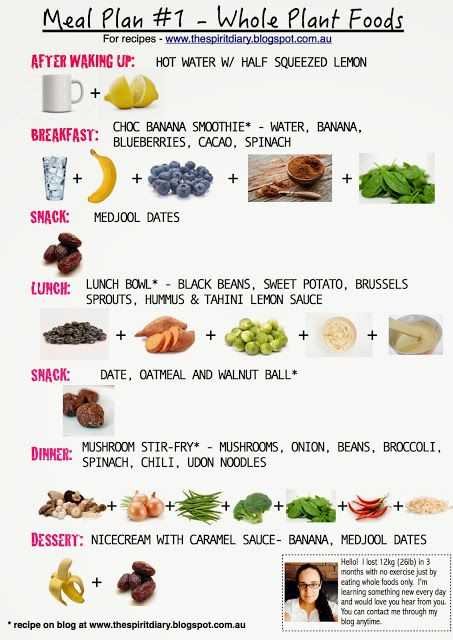
Eating a balanced meal every day is easier than you think, and it’s the key to feeling energized and staying healthy. To get started, aim for a variety of foods that include lean proteins, whole grains, fruits, vegetables, and healthy fats in your daily meals. By planning ahead, you can ensure your body gets the nutrients it needs without feeling overwhelmed. Consistency is what makes a huge difference, turning healthy eating into a habit rather than a chore. With simple adjustments and mindful choices, you can enjoy delicious meals that nourish your body and satisfy your taste buds. Whether you’re busy or have more time, balanced meal planning is your best tool for sustainable and enjoyable everyday nutrition.
A balanced meal plan involves combining different food groups to provide essential nutrients for your body. It helps maintain energy levels, supports overall health, and prevents nutritional deficiencies. By incorporating variety and portion control, you can craft meals that are both tasty and nutritious, making healthy eating an accessible and enjoyable part of your daily routine.

Balanced Meal Planning for Everyday Nutrition
Creating a balanced meal plan every day is a simple way to ensure your body gets the nutrients it needs. It involves choosing a variety of foods from different groups to support your health and energy levels. A well-designed meal plan can help prevent illnesses, maintain a healthy weight, and boost your mood and productivity.
Understanding the Basics of a Balanced Meal
A balanced meal contains a mix of key nutrients vital for your body’s functioning. These include carbohydrates, proteins, fats, vitamins, minerals, and water. Each nutrient plays a specific role and needs to be included in the right proportions to keep you feeling good throughout the day.
A typical balanced meal should have:
- Carbohydrates: Provide energy. Sources include whole grains, fruits, and vegetables.
- Proteins: Help build and repair tissues. Found in lean meats, beans, eggs, and dairy products.
- Healthy fats: Support brain health and hormone production. Sources include nuts, seeds, avocados, and olive oil.
- Vitamins and minerals: Support immune function and overall health. Present in colorful fruits and vegetables.
- Water: Keeps your body hydrated and aids digestion. Drink plenty of water throughout the day.
The Importance of Portion Control
Portion control helps prevent overeating and maintains a healthy weight. Using smaller plates and bowls can make servings look larger, encouraging you to eat less. Also, paying attention to hunger cues helps you avoid eating out of habit rather than need.
Dividing your plate can be a practical way to visualize portions:
| Food Group | Portion Size | Examples |
|---|---|---|
| Vegetables | Half of your plate | Leafy greens, carrots, peppers |
| Protein | One quarter of your plate | Chicken, fish, beans |
| Carbohydrates | One quarter of your plate | Brown rice, whole wheat bread, potatoes |
Meal Timing and Regularity
Eating meals at regular intervals supports steady energy and prevents overeating. Skipping meals can lead to hunger and unhealthy choices later. Aim to have three balanced meals each day, with healthy snacks if needed.
Healthy snack options include:
- Fresh fruit
- Nuts and seeds
- Greek yogurt
- Vegetable sticks with hummus
Maintaining a consistent eating schedule also stabilizes blood sugar levels and boosts metabolism.
Incorporating Variety for Better Nutrition
Including different foods in your daily meals ensures you get a broad range of nutrients. Rotate your fruits, vegetables, protein sources, and grains to cover all nutritional bases. For example, try quinoa instead of rice or salmon instead of chicken sometimes.
A diverse diet can also prevent food boredom and make mealtime more enjoyable.
Planning Meals Based on Food Groups
Effective meal planning means considering each food group and aiming for balance. Here’s a sample breakdown:
- Fruits: Apples, bananas, berries
- Vegetables: Broccoli, spinach, peppers
- Whole grains: Oatmeal, brown bread, wild rice
- Lean proteins: Turkey, lentils, tofu
- Healthy fats: Olive oil, nuts, seeds
Using a weekly meal planner can help organize these choices and ensure variety and balance.
Sample Daily Meal Plan
Breakfast:
- Oatmeal topped with berries and almonds
- A glass of water or herbal tea
Lunch:
- Grilled chicken salad with a variety of vegetables
- Whole wheat bread or crackers
Snack:
- A handful of mixed nuts and an apple
Dinner:
- Baked salmon with steamed broccoli and quinoa
- A side of mixed greens
Adjusting Meal Plans for Special Needs or Preferences
Some people have dietary restrictions or health conditions that require special considerations. For example, individuals with diabetes need to monitor carbohydrate intake carefully. Vegetarians can replace meat with plant-based proteins like beans and tofu.
Always consult a healthcare professional or registered dietitian when making significant changes to your diet to ensure your nutritional needs are met.
Tips for Meal Prep and Convenience
Preparing meals in advance can save time and reduce stress during busy days. Batch cooking grains and proteins makes it easy to assemble quick and balanced meals. Keep a variety of healthy snacks accessible to avoid reaching for less nutritious options.
Cooking methods also matter. Choose healthier options such as grilling, steaming, or baking instead of frying.
Monitoring and Improving Your Meal Plan
Tracking your food intake can reveal gaps or excesses in your diet. Use simple apps or a food diary to stay aware of your eating habits. Make gradual adjustments to improve your nutrition without feeling overwhelmed.
Listening to your body’s signals of hunger and fullness helps maintain a healthy relationship with food.
Related Topics for Better Nutritional Knowledge
Including additional topics can enhance your understanding of balanced meal planning:
- Understanding macronutrients and micronutrients
- The role of hydration in nutrition
- How to read nutrition labels effectively
- Healthy snack ideas for kids and adults
- The benefits of eating seasonal and local produce
This knowledge helps you make better choices and sustain healthy eating habits long-term.
Designing a balanced meal plan for each day involves understanding your nutritional needs and making smart choices. Incorporate a variety of foods from different groups, practice portion control, and plan ahead to stay consistent. By paying attention to these details, you set yourself up for better health, more energy, and a happier relationship with food.
Frequently Asked Questions
How can I ensure my meals include all essential nutrient groups?
To include all essential nutrients, plan meals that incorporate a variety of food groups. Fill half your plate with vegetables and fruits, a quarter with lean proteins such as poultry or legumes, and a quarter with whole grains like brown rice or whole wheat bread. Incorporate healthy fats from sources like nuts, seeds, or olive oil. Regularly vary your choices to cover micronutrients and avoid nutritional gaps.
What are some practical tips for balancing portion sizes across different meals?
Use your hand as a guide to portion sizes—fist for fruits and vegetables, palm for proteins, and cupped hand for grains. Take smaller servings to prevent overeating and listen to your body’s hunger cues. Planning meals ahead helps maintain control over portion sizes, and avoid eating directly from packages to better monitor your intake.
How can I incorporate dietary restrictions or preferences into a balanced meal plan?
If you follow specific dietary restrictions, choose nutrient-dense alternatives that meet your needs. For example, replace dairy with fortified plant-based options or select gluten-free grains if you are gluten intolerant. Focus on variety within your allowed food choices to ensure you’re still getting a broad spectrum of nutrients and maintain balance in your meals.
What role does hydration play in maintaining a balanced diet?
Proper hydration supports digestion, nutrient absorption, and overall health. Aim to drink plenty of water throughout the day, and include hydrating foods like fruits and vegetables. Limit sugary beverages and alcohol, which can contribute to dehydration. Maintaining good hydration levels complements your balanced eating pattern and supports your energy levels.
How can I make healthy meal preparations easier for everyday nutrition?
Plan your weekly meals and prepare ingredients in advance, such as chopping vegetables or cooking grains. Keep healthy snacks available to prevent unhealthy choices. Use simple recipes with readily available ingredients and cook in bulk to save time. Consistent planning and preparation help you stick to balanced nutrition without added stress.
Final Thoughts
Balanced meal planning for everyday nutrition ensures you get essential nutrients without stress. Focus on including a variety of food groups to maintain energy and health. Proper planning helps you enjoy meals that are tasty and nourishing. Consistently practicing these habits supports overall well-being and simplifies daily choices.
As an Amazon Associate, We earn from qualifying purchases. When you purchase a product through Amazon links on pulsefitguide.com, we may earn a small commission at no extra cost to you. This helps support the site and keep our content free.
