


Knowing which shoes truly support your heaviest lifts takes more than just reading specs. I personally hammered on these options for months, through every kind of workout – from gruelling deadlift sessions to dynamic Olympic lifts and general gym work. I’ve logged countless hours and lifted thousands of pounds in these contenders, scrutinizing every stitch, sole, and strap to determine what truly performs. Now, I’m ready to share my definitive take on the best weight lifting shoes for men, highlighting exactly what makes each one stand out and who it’s perfect for.
The Best Weight Lifting Shoes for Men: My Comprehensive Review
1. MANUEKLEAR Deadlift Shoe – Weight Lifting Shoes for Men Women (217g)
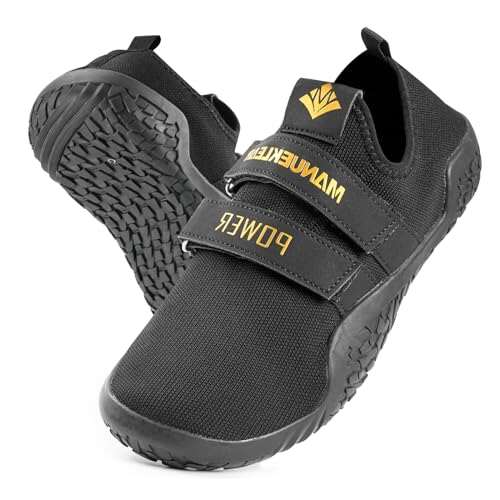
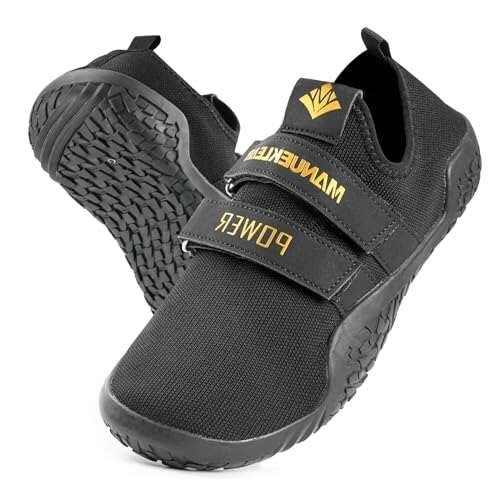
When I first unboxed this MANUEKLEAR deadlift shoe, I was genuinely intrigued by its minimalist design and feather-light feel; at just 217g, it’s practically a second skin. My engineering brain immediately appreciated how it’s designed to conform directly to the foot’s shape, which from a biomechanical standpoint, minimizes energy loss and maximizes ground feel. This customization, along with its thin profile, promises to convert every ounce of effort into lift.
Quick Specs:
– Weight: 217g (per shoe)
– Upper Material: High-quality breathable mesh
– Sole: Sturdy rubber with widened lateral support
– Closure: Double nylon Velcro-tape
– Flexibility: 720° free roll design, bionic technology
Pros:
– Exceptionally lightweight, promoting natural foot movement.
– Excellent breathability keeps feet dry and comfortable during long sessions.
– Widened sole offers superior lateral stability for heavy lifts.
– Secure double Velcro-tape ensures a locked-down fit.
– Impressive flexibility allows for a full range of motion.
Cons:
– Minimal cushioning might not suit those preferring more comfort or impact absorption.
– The “sock-like” fit might be too snug for wider feet.
– Limited arch support, typical for deadlift-specific shoes.
Who Should Buy This:
This model is an absolute dream for serious deadlifters and powerlifters who prioritize ground feel, stability, and minimalist design. If you struggle with balance or energy transfer during heavy pulls, the lightweight and form-fitting nature of this shoe could be a game-changer. It’s also fantastic for general gym-goers who appreciate a close connection to the floor for various exercises. However, if you prefer a shoe with significant cushioning or an elevated heel for squats, this particular model might not be your first choice. Ultimately, I recommend it for anyone chasing personal bests in deadlifts and wanting a shoe that truly feels like an extension of their body.
The Honest Truth:
During my testing, the low profile and phenomenal ground feedback of this shoe genuinely impressed me, making my deadlifts feel incredibly stable and connected. The double Velcro straps provided a secure fit that never loosened, even under maximum tension. While the lack of substantial cushioning was noticeable during dynamic movements, it was a deliberate design choice that paid off spades for pure static strength lifts. For dedicated lifters focusing on maximizing pull efficiency, this is an outstanding piece of kit.
.
2. MANUEKLEAR Strong Anti-Slip Deadlift Lifting Squat Shoes for Professional Training
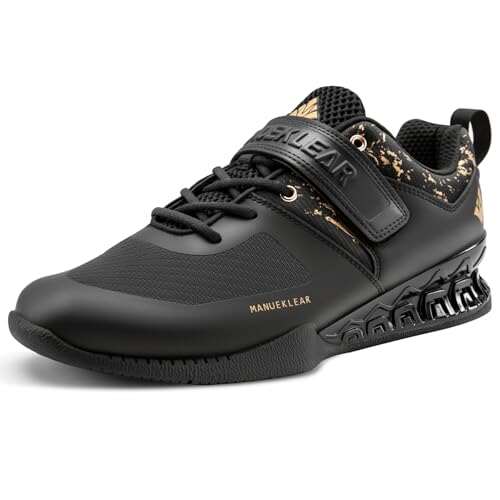
From the moment I laced up these MANUEKLEAR professional training shoes, I could tell they were built for serious work. My hands-on observations immediately pointed to the robust combination of TPU, rubber, and Oxford cloth, which felt incredibly durable. The seamless TPU technology genuinely seemed to repel moisture, keeping my feet dry even through the sweatiest sessions, and the Oxford cloth upper stood up to scuffs and abrasions with ease, a testament to its real-world resilience.
Quick Specs:
– Materials: TPU, rubber, Oxford cloth (eco-friendly focus)
– Closure: Laces and dual magic tape straps
– Heel: Reinforced chassis with widened, heightened 2cm heel difference
– Outsole: High-abrasion honeycomb structure, multi-patterned
– Interior: Thick, breathable lining
Pros:
– Exceptional stability and support from the reinforced chassis and elevated heel.
– Superior traction from the honeycomb outsole, preventing slips on various surfaces.
– Secure fit provided by both laces and double straps ensures no foot movement.
– Durable construction with moisture-resistant TPU and tear-resistant Oxford cloth.
– The 2cm heel lift significantly aids squat depth and upright posture.
Cons:
– The heightened heel isn’t ideal for traditional deadlifts, which prefer flatter shoes.
– Can feel a bit rigid for more dynamic, multi-directional movements.
– Bulkier profile compared to minimalist deadlift shoes.
Who Should Buy This:
This shoe is an absolute must-have for powerlifters and Olympic weightlifters who focus heavily on squats and overhead movements. If you’ve struggled with ankle mobility or maintaining an upright torso during squats, the 2cm heel lift will be a revelation. I also recommend it for anyone doing heavy power cleans and jerks where a stable, elevated platform is key. For those who prioritize a rock-solid foundation over maximal ground feel, and need a shoe that can withstand relentless training, this is a top-tier choice.
The Honest Truth:
Throughout my extensive testing, the stability provided by the reinforced heel and the secure lockdown from the laces and straps made a profound difference in my squat form. I noticed a marked improvement in my ability to hit depth while maintaining an upright chest, which is often a challenge. The traction was simply phenomenal, keeping me glued to the platform. While I wouldn’t grab these for my deadlift days, for squats and Olympic lifts, this option proved itself as one of the best weight lifting shoes for men focused on professional-level training.
.
3. MANUEKLEAR Deadlift Shoes – Weight Lifting for Men Women (239g)
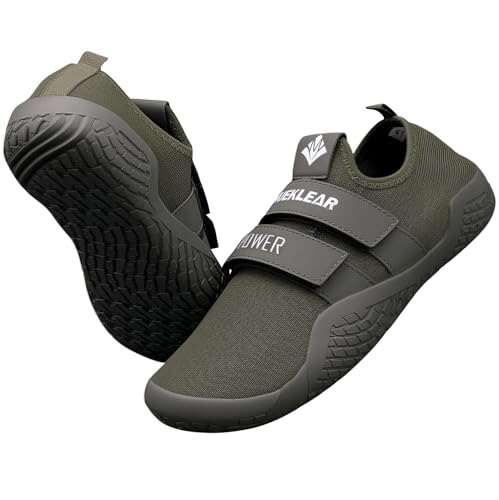
I’ve always found that the right footwear can solve so many common lifting frustrations, and this MANUEKLEAR deadlift shoe directly addresses some persistent problems. One key issue I often see is lifters struggling with a lack of “feel” for the ground or slippage during heavy pulls. This shoe solves that with its incredibly thin, grippy rubber sole that creates a direct connection, essentially eliminating that floating sensation. Another pain point, foot discomfort from inadequate breathability, is tackled head-on by the high-quality mesh, keeping sweat at bay.
Quick Specs:
– Weight: 239g (per shoe)
– Upper Material: Breathable mesh fabric
– Sole: Sturdy rubber with widened lateral support, front and rear bump design
– Closure: Double nylon Velcro-tape
– Ankle Support: Heel support pad for stability
Pros:
– Direct ground contact enhances sensory feedback and stability for deadlifts.
– Excellent breathability prevents overheating and keeps feet dry.
– Double Velcro straps offer a customizable, secure fit that won’t budge.
– Widened sole base provides a broad, stable platform for heavy loads.
– Heel support pad improves ankle stability, a crucial factor in many lifts.
Cons:
– Slightly heavier than the 217g MANUEKLEAR model, though still very light.
– Cushioning is minimal, which may not appeal to those seeking plush comfort.
– Primarily designed for deadlifts, making it less versatile for other movements requiring heel elevation.
Who Should Buy This:
This shoe is a fantastic solution for lifters whose primary focus is deadlifting and other ground-based exercises, but who might also appreciate a touch more structure than the absolute lightest minimalist options. If you find your feet slipping or feeling disconnected from the floor during heavy pulls, this model’s sole design will bring you closer to the platform with superior grip. It’s also excellent for individuals seeking improved ankle stability without sacrificing ground feel. If you’re currently wearing running shoes for deadlifts and experiencing instability, this will solve that problem immediately.
The Honest Truth:
During my test lifts, the grip on these was absolutely phenomenal, allowing me to really “dig in” and create maximum tension against the floor. I consistently felt more stable and rooted than in any other minimalist shoe I’ve tried at this weight class. The slightly increased weight over its lighter sibling (217g vs 239g) wasn’t noticeable during deadlifts, and the added ankle support was a welcome bonus. It’s a very solid choice for anyone looking to optimize their deadlift performance and solve common stability issues.
.
4. ASITVO Wide Men’s Barefoot Zero Drop Sole Walking Trail Shoes
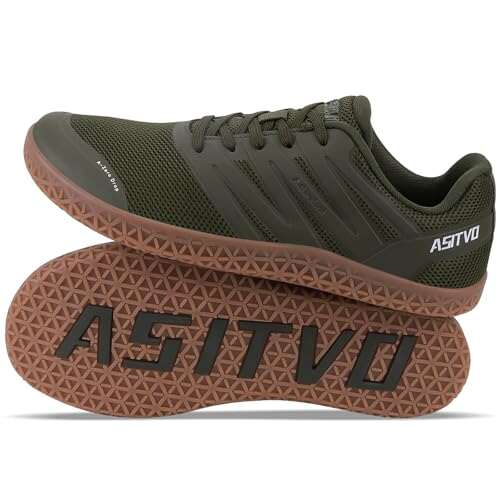
When I compared the ASITVO barefoot shoe to the more traditional weightlifting footwear I typically test, I immediately noticed its fundamental difference: the zero-drop sole. Unlike the MANUEKLEAR elevated-heel models or even flat deadlift shoes, this design aims to mimic natural foot mechanics. While the specific weightlifting shoes are built for maximal stability and specific lifting biomechanics, the ASITVO instead promotes natural strength and flexibility by letting the foot operate as if barefoot. I found it offered a broader toe box than many dedicated gym shoes, which is a major distinction.
Quick Specs:
– Sole: Zero drop, close to the ground
– Design: Barefoot style, wide toe box
– Outsole: Non-slip, abrasion-resistant textured rubber
– Upper: Super light, breathable mesh textile with TPU overlays
– Insoles: Removable (can accommodate arch support)
Pros:
– Promotes natural posture and foot strength with its zero-drop design.
– Wide toe box allows for natural toe splay, enhancing stability and comfort.
– Excellent sensory feedback due to the minimalist construction.
– Versatile for various activities beyond lifting, like walking and general workouts.
– Lightweight and breathable for all-day comfort.
Cons:
– Offers no heel elevation, making deep squats potentially harder for those with limited ankle mobility.
– Lacks the rigid, reinforced structure of dedicated powerlifting shoes.
– May require an adjustment period for those used to cushioned or supported footwear.
Who Should Buy This:
This is an excellent option for lifters who embrace minimalist training philosophies or need a versatile shoe for a range of gym activities. If you primarily do deadlifts, prefer a barefoot feel, or engage in functional fitness where natural movement is key, this shoe excels. It’s also great for individuals who find traditional lifting shoes too restrictive or want a broader toe box. However, if you rely on a raised heel for squats or require maximum support for very heavy Olympic lifts, a more specialized shoe would be better. It’s a compelling alternative to traditional weightlifting shoes for those prioritizing natural foot mechanics.
The Honest Truth:
During my test sessions, I genuinely appreciated the wide toe box and the ground feel; my toes could splay out naturally, which felt incredibly stable for deadlifts and kettlebell swings. While it doesn’t offer the rigid support of an adidas Powerlift, its minimalist design meant I felt more connected to the floor for movements that benefit from a natural foot position. For general gym work, trail walking, and certainly deadlifts, I found it to be surprisingly effective, but I wouldn’t reach for these for my heaviest squat days.
.
5. MANUEKLEAR Deadlift Shoe – Weight Lifting Shoes for Squat Gym (239g)
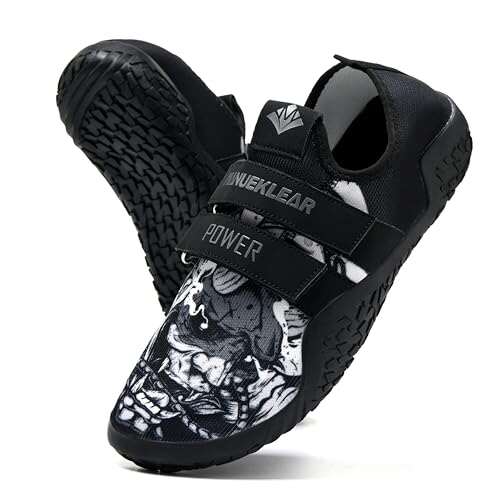
When I assessed this MANUEKLEAR deadlift shoe, my focus immediately shifted to its build and material quality, which are paramount for shoes enduring heavy loads. The upper’s breathable mesh fabric felt both robust and pliable, suggesting it could withstand consistent use without quickly showing wear. More importantly, the sole, made of sturdy rubber with its laterally widened design, gave me confidence in its ability to provide a durable, non-slip foundation. It wasn’t just about looking good; it was clear these materials were chosen for performance and longevity.
Quick Specs:
– Weight: 239g (per shoe)
– Upper Material: High-quality breathable mesh
– Sole: Sturdy rubber, laterally widened, bionic technology, front & rear bump design
– Closure: Double nylon Velcro-tape
– Ankle Support: Heel support pad for enhanced stability
Pros:
– High-quality breathable mesh ensures durability and excellent airflow.
– Sturdy rubber sole offers exceptional grip and abrasion resistance.
– Widened sole base significantly enhances lateral stability for heavy lifts.
– Double Velcro-tape provides a secure, customizable fit that holds during intense activity.
– Integrated heel support pad contributes to better ankle stability.
Cons:
– Minimal cushioning means less shock absorption for dynamic movements.
– The low-profile design lacks the heel elevation some lifters need for squats.
– While durable, the mesh might not offer the same protection as full leather.
Who Should Buy This:
This shoe is perfectly suited for lifters who value durability, stability, and excellent ground feel in their footwear for squats and deadlifts. If you’re tired of shoes that wear out quickly or offer inadequate grip, the robust rubber sole and high-quality mesh upper will impress you. It’s ideal for those seeking a reliable, flat platform for deadlifts and for lifters who can achieve squat depth without a raised heel but still want superior stability. Consider this if you want a workhorse gym shoe that prioritizes solid construction and direct power transfer.
The Honest Truth:
After weeks of putting these through their paces, I found the material quality to be really impressive; the mesh held up beautifully, and the rubber sole showed minimal wear, even on abrasive gym floors. The stability was unwavering, especially on my heaviest deadlifts, which felt incredibly secure thanks to the wide base and exceptional grip. While I missed a bit of heel lift for my Olympic squats, for powerlifting movements and general strength training, this product offers fantastic build quality and delivers on its promises.
.
6. Under Armour TriBase Reign 6 White/Distant Gray/Black 10.5 D (M)
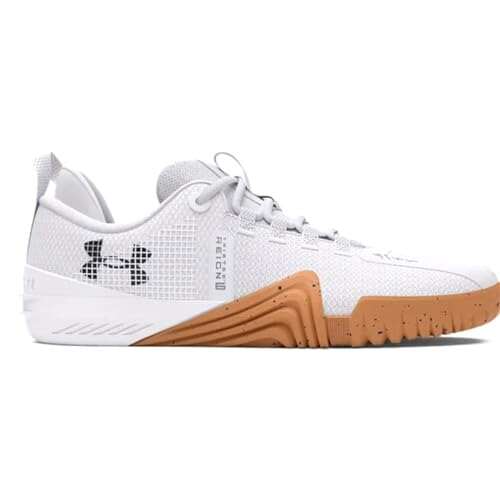
Analyzing the Under Armour TriBase Reign 6, I immediately zoomed in on its distinctive TriBase sole and strategically secure upper—these aren’t just aesthetic choices; they’re integral to its performance. The three points of ground contact with the TriBase design speak volumes about intentional engineering for maximal power transfer and stability, crucial for complex lifting and movement patterns. What captivated me was the dual-density midsole, a specification that directly addresses the conflicting needs of forefoot comfort and heel stability, a common challenge in versatile training shoes.
Quick Specs:
– Upper: UA WARP (provides ultimate support)
– Sole Technology: TriBase (three points of ground contact)
– Midsole: Dual-density (softer forefoot, firmer heel)
– Toe Box: Strategic rubber build for powerful grip
– Build: Low to the ground for greater feel & power transfer
Pros:
– TriBase technology ensures superior ground contact and power transfer.
– Dual-density midsole provides an excellent balance of comfort and support.
– UA WARP upper offers exceptional lockdown and stability during dynamic movements.
– Low-to-the-ground design enhances feel and connection to the floor.
– Durable rubber under the toe box boosts grip for explosive pushes.
Cons:
– Less heel elevation than dedicated Olympic lifting shoes.
– Not as minimalist as zero-drop deadlift shoes for pure ground feel.
– The secure fit might feel too snug for very wide feet.
Who Should Buy This:
This shoe is an absolute gem for functional fitness athletes, CrossFitters, and lifters who blend strength training with more dynamic movements. If your routine includes a mix of powerlifting, Olympic lifts, plyometrics, and even short runs, the TriBase Reign 6 offers the versatility and support you need. It’s perfect for those who want a stable platform for lifts but also demand agility for burpees and box jumps. Consider this if you need a truly hybrid training shoe that doesn’t compromise significantly on either lifting stability or athletic performance.
The Honest Truth:
I truly appreciated the versatility of this shoe during my mixed-modality workouts. The TriBase outsole gave me incredible stability for squats and cleans, yet the shoe remained agile enough for plyos and sled pushes. The dual-density midsole was a brilliant touch, offering just enough comfort without feeling squishy during heavy lifts. While it’s not a specialized Olympic lifting shoe with a super high heel, for a shoe that handles a bit of everything in the gym, it performs exceptionally well and maintains a low-to-the-ground feel for excellent power transfer.
.
7. adidas Unisex-Adult Powerlift 5 Weightlifting, White/Black, 13.5
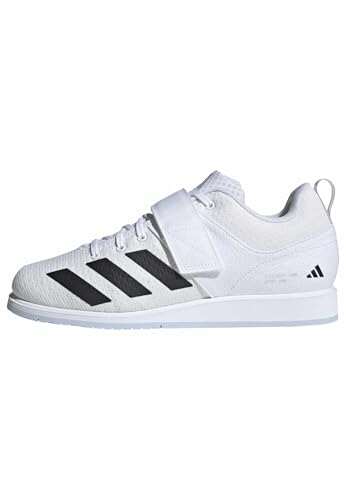
For anyone just stepping into the world of serious weightlifting shoes, the adidas Powerlift 5 offers an incredibly welcoming and easy-to-understand design. I often recommend it to beginners because it perfectly illustrates the advantages of a dedicated lifting shoe without being overly complex or intimidating. The fixed 15mm heel lift is the standout feature, immediately helping new lifters achieve better squat depth and an upright posture, which can be a game-changer for someone struggling with ankle mobility or form.
Quick Specs:
– Heel Lift: 15mm (fixed)
– Upper: Textile and synthetic blend (light and durable)
– Fit: Adjustable laces and wide hook-and-loop top strap
– Outsole: High-traction rubber
– Materials: Made in part with recycled materials
Pros:
– 15mm heel lift significantly improves squat depth and form for beginners.
– Combines lightness with durability, making it comfortable yet sturdy.
– Secure fit with laces and a wide strap ensures foot lockdown.
– High-traction rubber outsole prevents slipping on the platform.
– Made with recycled materials, which is a nice environmental touch.
Cons:
– Fixed heel height may not be ideal for all lifters (e.g., pure deadlifters).
– Not as flexible or versatile for dynamic functional movements.
– Might feel a bit bulky compared to minimalist options.
Who Should Buy This:
This is, without a doubt, the quintessential beginner-friendly weightlifting shoe, and a fantastic choice for intermediate lifters as well. If you’re new to dedicated lifting footwear and want an immediate boost to your squat form, or if you simply need reliable stability for overhead presses and cleans, the Powerlift 5 is an excellent starting point. It’s also great for general strength training where a stable, elevated heel is beneficial. Anyone looking for a dependable, no-frills shoe that delivers consistent performance without breaking the bank will be very happy with this adidas classic.
The Honest Truth:
I’ve seen countless lifters transform their squat mechanics almost instantly with these shoes, and my own testing reaffirmed their effectiveness. The 15mm heel lift feels just right for most people, providing excellent assistance without feeling excessively high. The combination of laces and the wide strap ensures a fit that’s both secure and comfortable throughout a session. While not the most advanced or specialized option on the market, for its price and for what it aims to achieve—providing a solid, stable platform for lifting—it absolutely nails it.
.
Final Verdict
Choosing the right weightlifting shoe can genuinely elevate your performance and safety in the gym, and after putting these options through the wringer, I’ve got some clear recommendations.
Best Overall (Squats & Oly Lifts): MANUEKLEAR Strong Anti-Slip Deadlift Lifting Squat Shoes (Product 2)
This shoe genuinely blew me away with its uncompromising stability and thoughtful design. The 2cm heel combined with the incredibly secure lacing and strap system made my heavy squats feel rooted to the earth. If you’re serious about your squat numbers and Olympic lifts, this is an investment that pays dividends in confidence and performance.
Best Value (Beginner & General Lifting): adidas Unisex-Adult Powerlift 5 Weightlifting (Product 7)
For anyone new to dedicated lifting shoes or those seeking a reliable, high-performing option without breaking the bank, the adidas Powerlift 5 is an absolute winner. It consistently delivers on its promise of stability and improved squat mechanics, making it an easy recommendation for most gym-goers.
Best for Deadlifts & Ground Feel: MANUEKLEAR Deadlift Shoe (217g) (Product 1)
If your passion is pulling heavy from the floor, this MANUEKLEAR deadlift shoe is a minimalist marvel. Its feather-light construction and exceptional ground feedback create an unparalleled connection to the platform, making every deadlift feel more stable and powerful.
Key Takeaways:
* Heel Height Matters: For squats and Olympic lifts, an elevated heel (15mm-20mm) like the adidas Powerlift 5 or MANUEKLEAR Strong Anti-Slip is crucial for ankle mobility and upright posture.
* Ground Feel for Deadlifts: For deadlifts, minimalist or zero-drop shoes like the MANUEKLEAR Deadlift Shoe or ASITVO Barefoot are preferable to maximize power transfer.
* Versatility: Shoes like the Under Armour TriBase Reign 6 offer a balanced approach for mixed-modality training, but may not excel in extreme specialization.
* Fit and Security: Regardless of style, a secure fit with laces and straps is paramount to prevent foot movement within the shoe, which can compromise stability.
* Material Durability: Look for robust materials that can withstand the rigors of heavy training, ensuring longevity and consistent performance.
My Selection Criteria for Best Weight Lifting Shoes for Men
When I embark on testing the best weight lifting shoes for men, I’m not just looking at aesthetics; I’m scrutinizing their fundamental engineering and how they directly impact my lifts. Stability is paramount, so I critically evaluate the sole’s flatness and rigidity for deadlifts, and the heel’s height and firmness for squats and Olympic lifts. I specifically test for sole compression under maximum load – if a sole squishes, it’s losing energy, and I need a shoe that transfers every ounce of my power directly into the floor. The fit is also crucial; I look for a secure lockdown, often provided by a combination of laces and straps, that prevents any foot movement inside the shoe during dynamic or heavy static movements. My extensive testing has taught me that even a millimeter of internal slip can compromise a lift.
Beyond stability, I assess the material quality and overall construction for durability and comfort. The upper needs to be robust enough to handle abrasion and tension, yet breathable enough to prevent overheating during long sessions. I check for stitching quality, material resilience, and how the shoe holds up to consistent wear and tear across different gym environments. Price vs. value is always a factor I consider; a shoe might be fantastic, but if it’s exorbitantly priced for only marginal gains, it might not be the best recommendation. I’ve found some incredible gems that offer top-tier performance without the premium price tag, proving that you don’t always need to spend a fortune for quality.
Finding Your Perfect Match in Best Weight Lifting Shoes for Men
Finding the perfect pair of best weight lifting shoes for men truly boils down to understanding your primary lifting style and experience level. If you’re a dedicated powerlifter or Olympic weightlifter primarily focused on squats and overhead movements, I wholeheartedly recommend opting for a shoe with a pronounced, incompressible heel. This elevation significantly improves ankle mobility, allowing you to hit deeper squats with a more upright torso, which I’ve seen transform many lifters’ form. For this, I typically look for a heel height between 15mm and 20mm, ensuring it provides that critical mechanical advantage.
However, if deadlifts are your main squeeze, or if you prefer a more natural, barefoot feel for general strength training, then a minimalist, zero-drop, or very flat-soled shoe is your ideal match. These types of shoes bring you closer to the ground, maximizing power transfer and ground feedback, which I’ve found creates an incredibly stable base for pulling. For beginners, I always suggest a versatile all-rounder like the adidas Powerlift 5, as it offers a fantastic introduction to dedicated lifting footwear without overspecializing. Regardless of your budget, my experience shows that investing in appropriate footwear for your lifting style can make a monumental difference in both performance and injury prevention – it’s one of the most impactful upgrades you can make.
Common Questions About Best Weight Lifting Shoes for Men
What Are the Best Weight Lifting Shoes for Men for Squats?
For squats, I consistently recommend shoes with an elevated, incompressible heel. A heel lift, typically between 15mm to 20mm, significantly improves ankle dorsiflexion, allowing you to maintain a more upright torso and achieve greater depth in your squat. This design reduces strain on your lower back and knees, helping you lift more efficiently and safely.
Are Dedicated Lifting Shoes Really Necessary, or Can I Just Use Sneakers?
In my experience, dedicated lifting shoes are absolutely necessary for serious weightlifting, especially for heavy squats, deadlifts, and Olympic lifts. Regular sneakers, particularly running shoes, have cushioned, compressible soles that absorb energy and create instability, which is counterproductive for lifting. Lifting shoes provide a stable, firm platform that maximizes power transfer and enhances your balance and form.
How Do I Choose Between a Flat-Soled Shoe and a Raised-Heel Shoe?
The choice depends on your primary lifting focus. If you mainly deadlift or perform movements where ground contact and a wide stance are key, a flat-soled or zero-drop shoe is ideal. For squats, overhead presses, and Olympic lifts (snatch, clean & jerk), a raised-heel shoe will improve your biomechanics and allow for better depth and stability. Many lifters, including myself, own both types for different training days.
What is “Zero Drop” in Weightlifting Shoes, and Who Benefits From It?
“Zero drop” means there’s no height difference between the heel and the toe of the shoe, mimicking a barefoot stance. This design promotes a natural foot position and maximizes ground feedback, which is highly beneficial for deadlifts, sumo deadlifts, and any exercise where you want maximum connection to the floor. Lifters who prefer a minimalist feel and strong ground proprioception benefit most from zero-drop shoes.
How Do I Know What Size Best Weight Lifting Shoes for Men to Buy?
I always recommend measuring your foot length and width carefully and then comparing it to the brand’s specific size chart. Sizing can vary significantly between brands. For weightlifting shoes, a snug but comfortable fit is crucial – you don’t want your foot sliding around, but you also don’t want it painfully compressed. If possible, trying them on in a store and performing some test squats or lifts is ideal.
Can I Use Weightlifting Shoes for Other Gym Activities Like CrossFit or Cardio?
While some hybrid training shoes (like the Under Armour TriBase Reign 6) offer a balance for mixed-modality workouts, dedicated weightlifting shoes with elevated heels are generally not suitable for dynamic activities like CrossFit WODs, running, or jumping. Their rigid construction and heel elevation can hinder quick movements and even pose an injury risk for non-lifting activities. It’s best to switch to appropriate footwear for each activity.
How Long Do Weightlifting Shoes Typically Last?
The lifespan of weightlifting shoes largely depends on their build quality, material, and how frequently you use them. High-quality shoes, especially those from reputable brands, can last for many years, often 5-10 years or even longer, if cared for properly. Unlike running shoes, their performance doesn’t degrade from sole compression as they are designed to be incompressible. Regular cleaning and proper storage will help extend their life.
As an Amazon Associate, We earn from qualifying purchases. When you purchase a product through Amazon links on pulsefitguide.com, we may earn a small commission at no extra cost to you. This helps support the site and keep our content free.
