


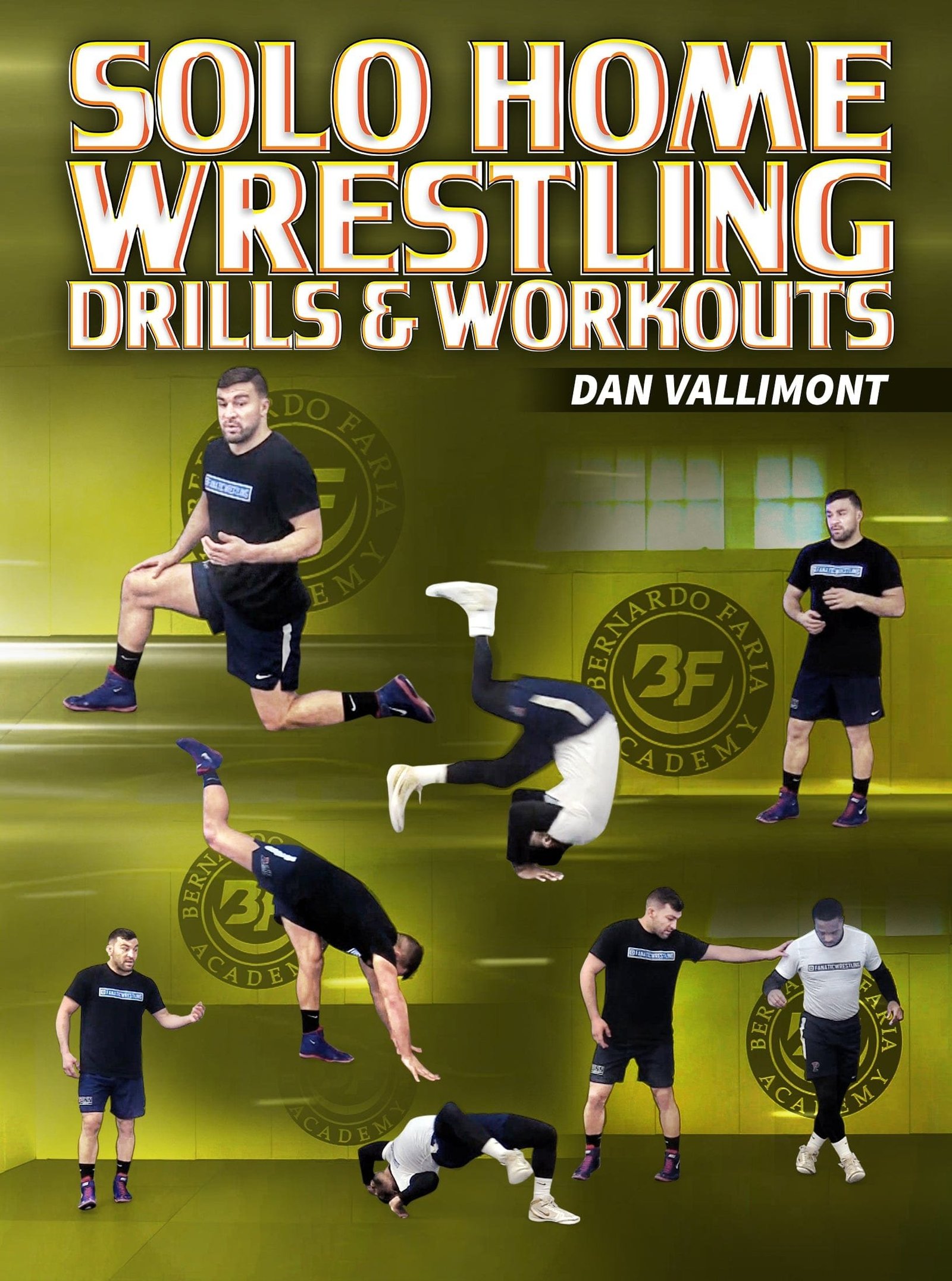
Wrestling cardio training boosts endurance and sharpens agility, making a difference in the ring. The key is to incorporate high-intensity drills that simulate match conditions. **This approach enhances stamina while maintaining strength levels.** Focusing on interval sprints, plyometrics, and circuit routines keeps the body conditioned and ready. With consistent effort, wrestlers can improve their cardiovascular capacity and performance during matches.

Wrestling Cardio Training: The Key to Improving Performance and Endurance
Wrestling is more than just strength and technique; it demands incredible stamina and cardiovascular fitness. Wrestlers need to stay active for long periods, often engaging in intense bursts of effort, so cardio training becomes a vital part of their routine. In this section, we explore why wrestling cardio training is essential, what it involves, and how to incorporate it effectively into your training plan.
Why Is Wrestling Cardio Training Important?
Cardio training prepares your body to handle the physical demands of wrestling. It enhances your ability to sustain high energy levels during matches, improves recovery times, and reduces fatigue. Here are some of the main benefits:
- Increases stamina and endurance: You can maintain high-intensity effort for longer periods.
- Boosts recovery: Your body clears lactic acid faster, allowing quicker recovery between moves or during matches.
- Enhances mental focus: Better stamina keeps your mind sharp and focused during the match.
- Reduces injury risk: Improved cardiovascular health supports overall physical resilience.
Without proper cardio training, even the strongest wrestlers can struggle to keep up during the late stages of a match. That’s why integrating effective cardio routines is non-negotiable for any wrestler aiming to stay competitive.
The Different Types of Wrestling Cardio Training
There are several methods to build your cardiovascular fitness for wrestling. Each targets different aspects of fitness and can be combined for the best results. Let’s look at the most effective types:
Steady-State Cardio
This involves maintaining a consistent, moderate level of effort for an extended period. Examples include:
- Jogging or running at a steady pace for 30 to 60 minutes
- Cycling at a moderate intensity
- Swimming laps comfortably
Benefits include building a solid aerobic base and improving overall endurance. However, since wrestling requires bursts of high effort, steady-state cardio alone isn’t enough.
High-Intensity Interval Training (HIIT)
HIIT involves alternating between short bursts of maximum effort and rest or low-intensity periods. For example:
- 30 seconds of sprinting followed by 30 seconds of walking
- 20 seconds of intense burpees or jump squats, then 40 seconds rest
HIIT mimics the unpredictable nature of wrestling bouts, helping you to recover quickly from explosive moves and sustain effort longer.
Fartlek Training
Fartlek, meaning “speed play” in Swedish, combines steady-state and interval training. During a run or bike ride, the athlete varies pace randomly, switching between fast and slow efforts. It’s excellent for developing both aerobic and anaerobic systems.
Circuit Training
This type involves performing multiple exercises back-to-back with little rest. Incorporate cardio-focused moves like jump rope, burpees, mountain climbers, and sprints into your circuit. Circuit training increases both strength and cardiovascular capacity, making it ideal for wrestling.
Designing a Wrestling Cardio Training Program
Creating an effective plan involves understanding your current fitness level, setting goals, and gradually increasing intensity. Here’s a step-by-step guide:
Assess Your Fitness Level
Before starting, evaluate your current endurance by performing simple tests:
- Timed running or cycling
- Number of burpees in one minute
- Distance covered in a set period
Use these benchmarks to tailor your training.
Set Realistic Goals
Goals might include:
- Running a certain distance within a timeframe
- Completing a specific number of HIIT sessions per week
- Improving recovery time between high-intensity efforts
Clear goals keep you motivated and focused.
Sample Weekly Cardio Routine for Wrestlers
Here’s an example of how to structure your week:
- Monday: Steady-state running for 40 minutes
- Tuesday: Rest or light stretching
- Wednesday: HIIT session – 8 rounds of 20 seconds all-out sprints, 40 seconds walk
- Thursday: Fartlek training of 30 minutes, varying pace freely
- Friday: Circuit training incorporating cardio movements
- Saturday: Long, easy bike ride or swim
- Sunday: Rest or active recovery (light walking or stretching)
Adjust the volume and intensity based on your progress.
Key Exercises in Wrestling Cardio Training
Incorporate these exercises into your routines for effective cardio development:
Jump Rope
Jumping rope is simple but highly effective. It improves coordination, footwork, and cardiovascular health. Aim for:
- 3-minute rounds with 30-second rest intervals
- Gradually increase to longer durations
Sprints and Agility Drills
Fast-paced sprints help simulate match bursts. Combine with cone drills or ladder drills to enhance agility and quickness.
Burpees
A full-body exercise that raises heart rate quickly. Incorporate multiple sets into your routine to build explosive power and stamina.
Shadow Wrestling with Cardio Focus
Perform shadow wrestling, simulating match scenarios, but focus on fast, continuous movement to boost cardio endurance.
Progression and Tracking Your Improvement
Regularly monitor your performance to stay motivated and ensure you’re progressing. Keep a training journal and note:
- Workout duration
- Intensity levels
- Recovery times
- Subjective feelings of fatigue and strength
Gradually increase workout difficulty by adding more intervals, reducing rest, or increasing pace. Consistency is vital to see improvements.
Tips for Maximizing Wrestling Cardio Training
To get the best results:
- Stay hydrated: Proper hydration supports cardiovascular performance.
- Maintain a balanced diet: Fuel your body with nutritious foods to support intense workouts.
- Warm-up and cool down: Prevent injuries and aid recovery with proper warm-up and stretching routines.
- Mix routines: Keep your workouts varied to prevent boredom and plateaus.
- Listen to your body: Rest when needed to avoid overtraining and injury.
By integrating these principles into your training, you can boost your stamina and become a more resilient wrestler.
Wrestling cardio training forms the backbone of a well-rounded athlete. It enhances endurance, quickens recovery, and prepares you to perform at your best during matches. Using a combination of steady-state and high-intensity interval training, alongside functional exercises like jump rope and sprints, creates a robust program tailored to wrestling’s physical demands. Remember to track your progress, stay consistent, and adjust your workouts to challenge yourself. Incorporate these strategies into your routine, and you’ll notice improved stamina, sharper focus, and better overall performance on the mat.
Frequently Asked Questions
What are effective ways to improve cardiovascular endurance for wrestling?
To boost cardiovascular endurance, wrestlers should incorporate high-intensity interval training (HIIT) into their routines. Alternating between intense bursts of activity and rest periods intensifies the workout, helping the body adapt to sustained effort. Additionally, consistent activities such as running, cycling, or swimming at a moderate pace build a strong aerobic base. Incorporating circuit training that combines strength exercises with cardio elements can also enhance endurance specific to wrestling demands.
How can wrestlers incorporate interval training into their cardio routines?
Wrestlers can add interval training by alternating between short, intense activity bouts and recovery periods. For example, sprint for 30 seconds, then walk or jog for 1 minute, and repeat several times. This approach simulates match conditions where bursts of effort occur followed by brief recovery. Implementing variations like hill sprints or plyometric exercises during intervals can further increase the intensity, making the training more relevant to wrestling performance.
What role does agility and footwork play in wrestling cardio training?
Improving agility and footwork enhances a wrestler’s ability to move quickly and efficiently, which directly impacts cardio performance. Drills such as ladder exercises, cone drills, and shadow wrestling improve coordination and speed, making efforts during matches less taxing. These drills also keep the heart rate elevated, contributing to better endurance and making the training more dynamic and sport-specific.
How often should wrestlers include cardio training in their overall workout schedule?
Wrestlers should aim to include cardio sessions at least 3 to 4 times a week, balancing intensity and recovery. It is vital to vary the types of cardio to prevent plateaus and maintain interest. For example, alternating between running, cycling, swimming, and HIIT workouts can provide comprehensive cardiovascular development. Ensuring proper rest days helps prevent overtraining and injury, promoting steady progress.
What are some common mistakes to avoid during wrestling cardio training?
Many wrestlers neglect proper warm-up and cool-down routines, which can lead to injuries. Overtraining without adequate rest may cause fatigue and decrease performance. It’s also a mistake to focus solely on high-intensity efforts without including lower-intensity or recovery sessions. Additionally, skipping hydration and nutrition can impair endurance and recovery, so maintaining proper fueling and hydration is essential during cardio training.
Final Thoughts
In conclusion, focusing on consistent and varied training enhances wrestling cardio training. Incorporating high-intensity drills and endurance exercises boosts stamina and agility. These methods prepare wrestlers to perform at their best during matches. Prioritize diverse routines to maximize results and build a strong cardiovascular foundation.
As an Amazon Associate, We earn from qualifying purchases. When you purchase a product through Amazon links on pulsefitguide.com, we may earn a small commission at no extra cost to you. This helps support the site and keep our content free.
