


**Zone 5 cardio pushes your heart to its maximum capacity, making it a challenging yet rewarding workout.** It involves intense effort, typically lasting a short burst, to maximize calorie burn and enhance endurance.
Incorporating zone 5 into your routine boosts VO2 max and speeds up your progress.
Understanding how to effectively include zone 5 cardio ensures you get the most from this high-intensity training without overexertion.

Understanding Zone 5 Cardio and Its Role in Fitness
When you hear people talk about different heart rate zones during exercise, Zone 5 is often mentioned as the most intense. But what exactly is Zone 5 cardio, and why is it important? Let’s dive deep into this high-level training zone, explore how it works, and see how you can incorporate it safely into your fitness routine.
What Is Heart Rate Training and Why Is It Important?
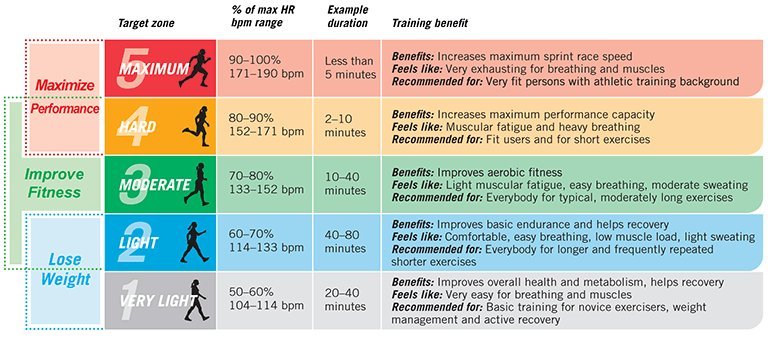
Before we focus specifically on Zone 5, it’s helpful to understand what heart rate training means. Your heart rate during exercise can be divided into different zones, each representing a different level of effort:
- Resting Heart Rate: Your heart rate when you’re completely at rest. Typically between 60 and 80 beats per minute (bpm).
- Warm-up Zone: About 50-60% of your maximum heart rate. This zone warms up your muscles and prepares your body for more intense activity.
- Fat Burn Zone: Usually 60-70% of maximum. It’s great for burning fat and increasing endurance.
- Aerobic Zone: About 70-80%. Improves cardiovascular fitness and stamina.
- Threshold Zone: Around 80-90%. Pushes your limits and improves your lactate threshold.
- Zone 5 or Anaerobic Zone: 90-100% of your maximum heart rate. The focus here is on building speed and power.
Understanding these zones helps you tailor your workouts to meet specific fitness goals, whether you’re improving endurance or increasing sprinting ability.
What Exactly Is Zone 5 Cardio?
Zone 5, often called the anaerobic zone, pushes your body to its maximum effort. When you’re exercising within this zone:
- Your breathing becomes rapid and shallow.
- You can only sustain this effort for a short period—usually between 10 seconds to a minute.
- Your muscles operate without enough oxygen, relying instead on stored energy.
This zone is effective in building explosive strength, speed, and power. It also helps increase your maximal oxygen consumption (VO₂ max), which enhances overall athletic performance.
How to Calculate Your Heart Rate Zones
Knowing your maximum heart rate (MHR) is essential for identifying Zone 5. A straightforward way to estimate your MHR is:
- Subtract your age from 220. For example, if you’re 30 years old, your estimated MHR is 190 bpm.
- Calculate 90% to 100% of this number for Zone 5. For a 30-year-old, Zone 5 ranges from approximately 171 bpm to 190 bpm.
Keep in mind, this is an estimate. Some people may have higher or lower max heart rates. For more accurate measurements, consider a treadmill stress test supervised by a professional.
Benefits of Incorporating Zone 5 Cardio into Your Routine
Adding high-intensity intervals that reach Zone 5 offers several advantages:
- Increased Speed and Power: Pushing to this level helps develop explosive strength useful for sprinting, sports, or quick movements.
- Enhanced Cardiovascular Fitness: Your heart becomes more efficient at pumping blood, boosting your overall heart health.
- Higher Calories Burned: High-intensity efforts consume more energy both during and after exercise for recovery.
- Improved Lactate Threshold: Your body becomes better at clearing lactic acid, reducing fatigue during high-intensity efforts.
- Time Efficiency: Short bursts of Zone 5 activity provide significant fitness benefits without lengthy workouts.
However, it’s important to balance Zone 5 training with lower-intensity sessions to avoid overtraining and injury.
Effective Ways to Train in Zone 5
Reaching Zone 5 requires pushing your limits, but it should be done thoughtfully. Here are some effective methods:
High-Intensity Interval Training (HIIT)
HIIT involves alternating between intense effort and recovery periods. For example:
- Perform sprinting, cycling, or rowing at maximum effort for 20 to 30 seconds.
- Follow with 1 to 2 minutes of light activity or rest.
- Repeat these intervals 6 to 8 times per session.
This approach keeps your heart rate in Zone 5 during each peak and allows recovery in between.
Tabata Workouts
Tabata is a form of HIIT that focuses on 20 seconds of all-out effort followed by 10 seconds of rest, repeated 8 times. It is highly effective for boosting speed and power.
Sport-Specific Drills
If you play sports like basketball or soccer, incorporate quick sprints or explosive movements to reach Zone 5 during practice.
Safety Tips for Training in Zone 5
Because Zone 5 workouts are intense, safety should come first:
- Consult a Doctor: Especially if you have existing health conditions or are new to high-intensity exercise.
- Warm Up Properly: Prepare your muscles and heart to handle the stress.
- Listen to Your Body: Stop if you feel dizzy, chest pain, or severe breathlessness.
- Gradually Increase Intensity: Ramp up your efforts over time to prevent injury.
- Include Recovery Days: Rest is essential to allow your body to repair and grow stronger.
Always stay hydrated and wear suitable workout gear to support high-impact activity.
Limitations and Considerations of Zone 5 Cardio
While Zone 5 offers many benefits, it’s important to recognize its limitations. High-intensity training isn’t suitable for everyone, especially:
- Beginners or those who are not physically conditioned
- Individuals with heart problems or high blood pressure
- People recovering from injuries or illness
For these groups, starting with lower zones and gradually building up intensity is safer and more effective.
Balancing Different Heart Rate Zones for Optimal Fitness
A well-rounded workout plan includes various zones to promote overall health and performance:
- Low to moderate intensity (Zone 2 and 3) builds endurance and burns fat.
- High-intensity efforts (Zone 4 and 5) boost speed and strength.
- Rest and recovery periods help your body adapt and prevent fatigue.
Integrating different zones ensures you develop a balanced fitness level and avoid plateaus.
Tracking Your Heart Rate During Zone 5 Workouts
To ensure you’re hitting the right effort level, consider using:
- Heart Rate Monitors: Chest straps or wrist-based devices provide real-time data.
- Fitness Apps: Many apps sync with wearables to guide your workout zones.
- Manual Checking: Use a stopwatch and take your pulse for 15 seconds, then multiply by four to get bpm.
Regular monitoring helps you stay within your target zone and adjust effort as needed.
Summary of Key Points in Zone 5 Cardio
To wrap things up, here are some important takeaways:
- Zone 5 is the most intense heart rate zone, focusing on maximum effort.
- It is most effective for developing speed, power, and cardiovascular capacity.
- Training in this zone should be short and controlled, with proper warm-up and recovery.
- Always listen to your body and consult professionals if unsure about starting high-intensity workouts.
- Balancing Zone 5 with other zones creates a comprehensive fitness plan.
By understanding how to safely incorporate Zone 5 cardio into your routine, you can enjoy improved athletic performance and overall health. Remember to prioritize safety and listen to your body during those high-effort sessions. With the right approach, Zone 5 training becomes a powerful tool toward reaching your fitness goals.
Frequently Asked Questions
What are the typical heart rate ranges for Zone 5 cardio training?
Zone 5 cardio training generally involves reaching 90% to 100% of your maximum heart rate. This intensity level pushes your cardiovascular limits and is often sustained only for short periods. To estimate your maximum heart rate, subtract your age from 220, then target 90-100% of that number during high-intensity intervals.
How does Zone 5 cardio benefit athletic performance?
Training in Zone 5 enhances your ability to perform at very high intensities. It helps increase your anaerobic capacity, allowing you to sustain powerful efforts during competitions. Regularly incorporating this zone can improve your speed, power, and overall endurance in sports that demand short bursts of maximum effort.
What are the risks associated with high-intensity Zone 5 workouts?
High-intensity training at Zone 5 places significant stress on your heart and muscles. Without proper preparation and recovery, it can lead to overtraining, injuries, or cardiovascular strain. It’s important to gradually build up your fitness, listen to your body, and consult a healthcare professional before engaging in intense workouts, especially if you have existing health conditions.
Final Thoughts
In summary, ‘zone 5 cardio’ pushes your limits, boosting endurance and speed. This high-intensity zone is essential for athletes aiming to enhance performance. Incorporating zone 5 into your routine can lead to significant fitness gains and improved cardiovascular health. Consistent training at this level challenges your body and accelerates progress.
As an Amazon Associate, We earn from qualifying purchases. When you purchase a product through Amazon links on pulsefitguide.com, we may earn a small commission at no extra cost to you. This helps support the site and keep our content free.
