


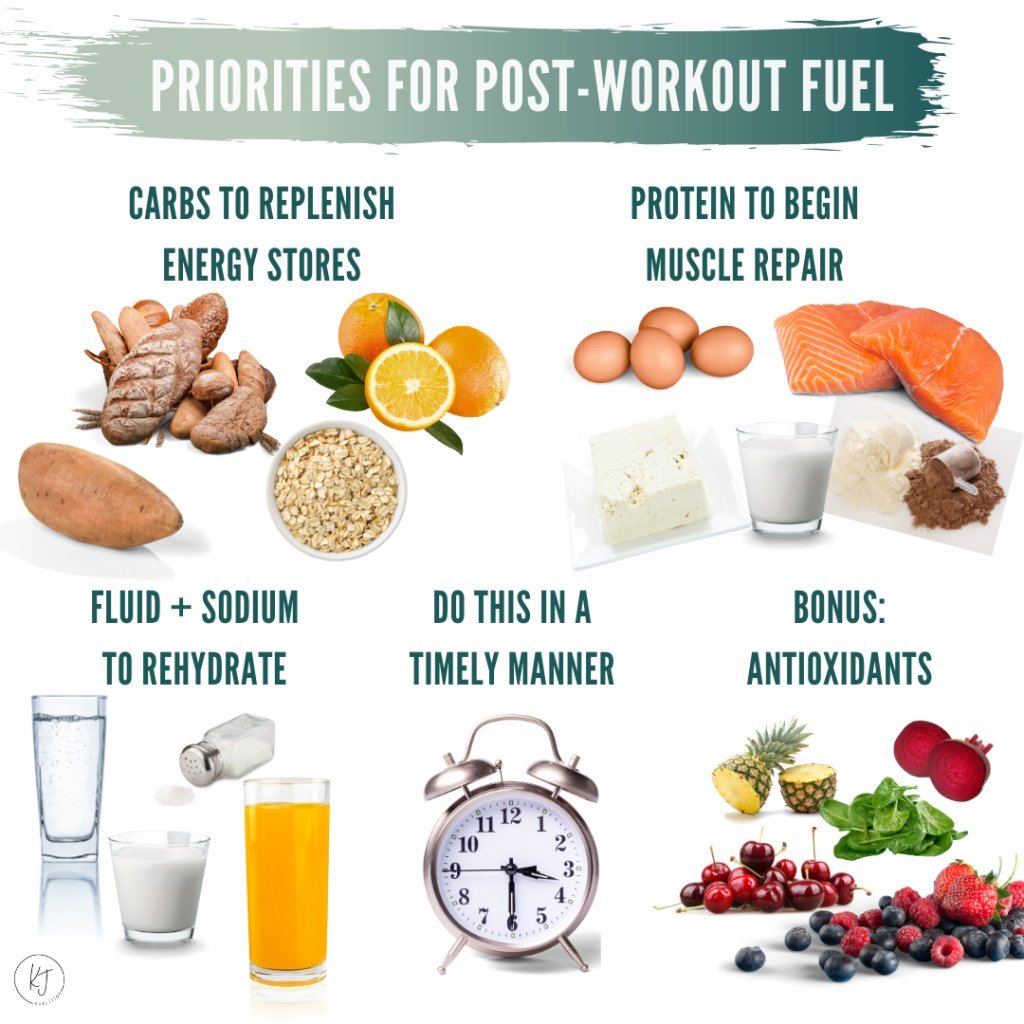
Yes, it is generally safe to workout after eating, but timing and food choice matter. Many wonder, is it safe to workout after eating? The answer depends on the meal size and type. Light snacks can usually be combined with exercise, but heavy meals might cause discomfort. Listening to your body helps ensure a safe and effective workout post-eating.

Is It Safe to Workout After Eating?
Many people wonder whether it’s okay to exercise right after a meal. The answer isn’t a simple yes or no—it depends on the type of food you eat, how much you eat, and the kind of workout you plan to do. Understanding how digestion affects your body during physical activity can help you make better choices and prevent discomfort or injury. In this section, we’ll take a close look at what happens when you work out after eating and how to find the best balance for your health and fitness goals.
How Digestion Affects Your Body During Exercise
When you eat, your digestive system kicks into gear. Blood flows to your stomach and intestines to help break down the food and absorb nutrients. This process can influence how your body responds during exercise. Here are some key points to understand:
- Blood flow redistribution: After eating, increased blood flow goes to your stomach and intestines. During physical activity, blood flow shifts to your muscles. Exercising immediately after a big meal can cause a tug-of-war for blood supply, which might lead to discomfort or sluggishness.
- Energy availability: Food provides the fuel your body needs for exercise. Carbohydrates break down into glucose, fueling your muscles. If you exercise too soon after eating, your body may not have enough readily available energy, or digestion might be interrupted.
- Gastrointestinal comfort: Exercising too soon after a heavy meal can cause nausea, cramping, or reflux because your stomach is still full and working hard to digest food.
Understanding these points can help you decide when and what to eat before a workout.
The Timing: When Is It Safe to Exercise After Eating?
Timing is crucial when it comes to working out after eating. Generally, the length of time you should wait depends on the size and content of your meal. Here are some guidelines based on meal types:
Waiting After a Light Snack
If you’ve had a small snack—such as a piece of fruit, a handful of nuts, or a yogurt—waiting about 30 minutes to an hour is usually enough before engaging in light to moderate exercise. This allows your body to start digestion without feeling heavy or sluggish.
Waiting After a Full Meal
A larger meal, especially one rich in fats and proteins, may require more time for digestion. Waiting at least two to three hours before vigorous activity helps prevent discomfort. For example:
- Large carbohydrate-rich meals: About two hours
- High-fat or protein-heavy meals: Up to three hours or more
Listening to Your Body
Even if the recommended times have passed, pay attention to how you feel. If you experience bloating, nausea, or cramping, give yourself more time before working out.
Types of Exercise and Their Impact on Post-Meal Workouts
Different workouts place varying demands on your body, and some are more suitable after eating than others. Here’s a breakdown of common exercise types and how they relate to eating.
Light Activities
Walking, stretching, or gentle yoga are less intense and usually safe shortly after a small snack or even a light meal. These activities can actually aid digestion and help you feel energized.
Moderate Exercise
Activities like steady cycling, swimming, or a moderate-intensity gym workout are generally okay after waiting about 30 minutes to an hour after a light snack. If you plan to do these after a larger meal, it’s best to wait at least an hour or two.
Intense Workouts
High-intensity exercises like running, weightlifting, or interval training require more energy and usually benefit from being performed after a longer digestion period. Waiting at least two to three hours after a large meal ensures your stomach is relatively empty, reducing the risk of discomfort.
Signs You Should Not Workout Immediately After Eating
Pay attention to how your body feels. If any of these signs appear, it’s best to delay your workout:
- Nausea or stomach discomfort: Feeling queasy or experiencing cramping signals your body isn’t ready for exercise.
- Acid reflux or heartburn: These symptoms can worsen during activity, especially if you’ve eaten fatty or spicy foods.
- Feeling bloated or overly full: A heavy stomach can make movement uncomfortable and slow digestion further.
- Fatigue or dizziness: If you feel overly tired or dizzy after eating, it’s better to rest before exerting yourself.
Healthy Food Choices Before a Workout
Choosing the right foods before exercise can help you feel energized without causing stomach upset. Here are some tips:
- Opt for easily digestible carbs: Bananas, oatmeal, or toast with light spread provide quick energy.
- Include a small amount of protein: Yogurt, nuts, or eggs can support muscle repair and maintenance.
- Avoid heavy, greasy foods: Fried foods, fast food, or large portions of cheese can cause discomfort during exercise.
- Stay hydrated: Drink water before, during, and after your workout to stay hydrated and aid digestion.
Summary Table: Post-Meal Exercise Recommendations
| Meal Type | Timing Before Exercise | Suitable Exercises |
|---|---|---|
| Light snack (fruit, nuts, yogurt) | About 30 minutes to 1 hour | Walking, gentle yoga, stretching |
| Small to medium meal (sandwich, pasta) | 1 to 2 hours | Moderate cycling, swimming, gym workout |
| Large, heavy meal (fried foods, steak) | 3 hours or more | Low to moderate intensity activities if needed |
Tips for a Comfortable and Effective Workout After Eating
To enhance your workout experience and prevent issues, consider these tips:
- Start slow: Begin with gentle movements to see how your body reacts after eating.
- Warm up properly: Allow your body to gradually reach workout intensity to minimize discomfort.
- Stay hydrated: Drinking water supports digestion and keeps you energized.
- Listen to your body: If you feel any sign of discomfort, slow down or pause your workout.
- Practice good posture: Avoid slouching or crunching during your exercises to reduce strain.
Working out after eating isn’t necessarily risky, but it requires some planning. The key is to consider what you’ve eaten, how much time has passed, and the type of exercise you want to do. Smaller meals and light snacks are usually fine before engaging in gentle activities, while larger meals may require waiting longer for more intense workouts. By listening to your body and choosing nutritious, easy-to-digest foods, you can enjoy a safe, comfortable, and effective workout schedule that fits your lifestyle.
Frequently Asked Questions
How long should I wait after eating before exercising?
It is generally advisable to wait at least 30 minutes to 2 hours after a light meal before starting your workout. For larger or high-fat meals, waiting about 2 to 3 hours can help prevent discomfort or nausea. Listening to your body and noticing how you feel after eating can guide you to the right timing for your exercise session.
What are the risks of exercising immediately after a meal?
Exercising right after eating can cause indigestion, stomach cramps, or nausea. It may also lead to decreased blood flow to your digestive system, resulting in discomfort or sluggishness during your workout. For some people, it could even trigger acid reflux or heartburn, especially if they tend to have sensitive stomachs.
Are there specific types of workouts that are safer to do after eating?
Light activities like walking or gentle stretching typically pose less risk when done shortly after a meal. These activities can aid digestion and prevent discomfort. On the other hand, intense workouts like running or heavy lifting might be better scheduled after your stomach has had more time to process the meal, usually after a couple of hours.
How can I tell if I am ready to exercise after eating?
Pay attention to how your body feels after eating. If you experience bloating, fullness, or nausea, it’s best to wait longer before exercising. If you feel energized and comfortable, a light workout can be appropriate. Gradually observe how different foods and timing affect your comfort level during activity.
What foods should I avoid before working out to minimize discomfort?
Limit high-fat, greasy, or very spicy foods before exercise, as they tend to slow digestion and cause discomfort. Instead, opt for easily digestible foods rich in carbohydrates, like fruits or yogurt, which can provide quick energy without upsetting your stomach. Eating small, balanced meals helps maintain comfort during your workout.
Final Thoughts
Il est généralement sûr de faire de l’exercice après avoir mangé, à condition de respecter certaines précautions. Attendez 30 à 60 minutes après un repas léger, ou plus longtemps après un gros repas, pour éviter l’inconfort.
L’écoute de votre corps reste essentielle. Si vous ressentez de la fatigue ou des nausées, il vaut mieux attendre.
En résumé, is it safe to workout after eating? La réponse dépend de votre confort et du type d’exercice. Soyez à l’écoute de votre corps et choisissez le bon moment pour votre séance.
As an Amazon Associate, We earn from qualifying purchases. When you purchase a product through Amazon links on pulsefitguide.com, we may earn a small commission at no extra cost to you. This helps support the site and keep our content free.
