


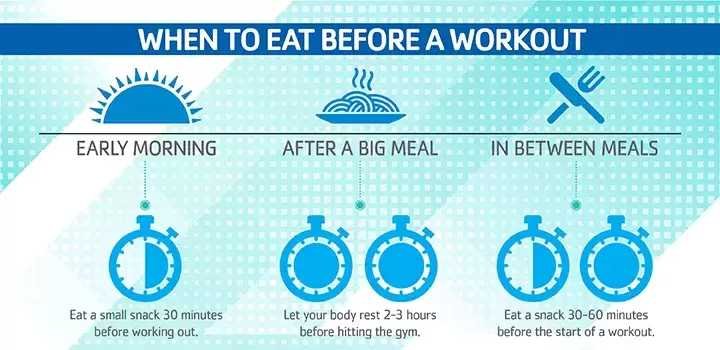
It’s best to wait around 30 minutes to 2 hours after eating before exercising, depending on what and how much you’ve eaten. This waiting period helps prevent discomfort and allows your body to digest properly. Remember, the timing can vary based on the meal and your personal digestion speed.
In general, waiting at least 30 minutes after a light snack or small meal is recommended, while it’s better to wait 1 to 2 hours after a large or heavy meal before working out. This simple guideline ensures you stay comfortable and avoid indigestion or nausea.
When you finish a meal, your body is busy digesting, which can interfere with your workout if you jump right into exercise. Exercising too soon can cause cramping, indigestion, and fatigue. To maximize your workout and stay comfortable, listen to your body and choose the right waiting period based on what you’ve eaten.

How Long Should You Workout After a Meal?
Understanding the timing of exercise after eating is important for both safety and effectiveness. Many people wonder whether they should wait a certain amount of time before working out to prevent discomfort or digestion issues. The answer varies depending on what you ate, how intense your workout is, and your personal comfort level. In this section, we will explore these factors in detail to help you know the best time to exercise after a meal.
Why Timing Matters When Exercising After Eating
Exercising too soon after a meal can cause discomfort such as stomach pain, cramping, or nausea. Your body needs time to digest the food, especially if you ate a large or fatty meal. Delaying your workout can help prevent these issues and improve your performance. On the other hand, waiting too long might make you feel hungry or low on energy, impacting your workout quality.
What Happens During Digestion?
When you eat, your body begins to break down food to extract nutrients. Blood flow increases to your stomach and intestines to aid digestion. Exercising causes blood flow to diverted from the digestive system to your muscles. This can slow digestion and cause discomfort or indigestion during physical activity.
How Long Should You Wait? General Guidelines
Based on the size and content of your meal, the recommended wait time varies:
- Small snack: 30 minutes to 1 hour
- Light meal: 1 to 2 hours
- Large or fatty meal: 2 to 3 hours
This rough guideline helps to minimize discomfort and optimize your workout.
Effects of Meal Composition on Workout Timing
Different types of foods digest at different speeds, affecting when you should work out. Here’s a breakdown:
Carbohydrates
Carbohydrates are quick to digest. Foods like fruits, bread, or oatmeal typically need about 30 to 60 minutes before exercise.
Proteins
Proteins take longer to break down. Foods like yogurt, eggs, or lean meats require roughly 1 to 2 hours before you work out.
Fats
Fatty foods slow digestion and can cause discomfort if eaten too close to exercise. It’s best to wait at least 2 to 3 hours after high-fat meals.
Impact of Exercise Intensity on Timing
Your workout’s intensity also influences when to exercise after eating:
- Low-intensity activities: Walking or stretching may be okay 30 minutes after a small snack.
- Moderate activities: Jogging, cycling, or light gym workouts are best after waiting 1 to 2 hours post-meal.
- High-intensity workouts: Heavy lifting or sprint training should be scheduled at least 2 to 3 hours after a substantial meal.
Signs That You’re Ready to Exercise
Listen to your body to determine if it’s the right time to work out. If you experience:
- Stomach discomfort or cramping
- Nausea or acid reflux
- Feeling overly full or bloated
It’s best to wait longer or opt for a light activity. Conversely, if you feel energetic and comfortable, your body is probably ready.
Tips to Exercise Safely After Eating
Here are some practical tips:
- Start slow with light activities after small meals.
- Hydrate properly before and during your workout.
- Avoid high-impact or intense routines immediately after big meals.
- If you feel discomfort, pause and rest until symptoms subside.
- Consider smaller, more frequent meals if you plan to exercise regularly.
Related Topics
Expanding on this knowledge, consider exploring topics like:
Best pre- and post-workout nutrition
Healthy snack ideas for quick energy
How hydration impacts your workout performance
Choosing the right workout based on your digestion speed
Combining exercise and meal timing for weight management
Additional Factors Influencing Workout Timing
Several other aspects can affect when you should exercise after a meal, including:
Age and metabolism
Younger people tend to digest faster, allowing shorter wait times. Older adults may need longer to avoid discomfort.
Individual digestion speed
Everyone’s digestive process varies, so listen to your personal signals for best results.
Type of workout planned
Cardio may require less waiting time than strength training or high-intensity interval training (HIIT).
Summary of Best Practices
To sum up:
- Eat smaller, easily digestible meals before exercising
- Wait at least 30 minutes after a snack, 1 hour after a light meal, and 2 hours or more after a large meal
- Adjust based on your body’s reactions and the exercise’s intensity
- Hydrate well and listen to signals from your body
In conclusion, the appropriate workout timing after a meal depends on the meal size, composition, workout intensity, and your individual body. Listening to your body and following these guidelines can help you exercise safely and effectively while feeling comfortable. Remember, each person’s digestion and energy levels are unique, so adapt these recommendations to what works best for you.
How Soon After A Workout Should You Eat To Build Muscle? (IT MATTERS!)
Frequently Asked Questions
How long should I wait before doing light activities after eating?
It is generally advisable to wait about 30 minutes to an hour before engaging in light activities such as walking or gentle stretching after a meal. This allows your body to start digestion and reduces the risk of discomfort or indigestion during activity. Listening to your body’s signals can help determine the right timing for you.
Is it better to exercise immediately after a large meal?
Exercising immediately after a large meal can cause discomfort, nausea, or indigestion because your stomach still needs to process the food. It is best to wait at least 2 to 3 hours after a big meal before doing intense workouts. This approach helps ensure that your digestion proceeds smoothly and you can exercise more effectively.
What are the risks of working out too soon after eating?
Exercising too soon after eating can lead to cramping, acid reflux, or nausea. It might also decrease exercise performance because your body is still focused on digesting food. To avoid these issues, allow sufficient time for digestion before engaging in physical activity, especially if your meal was substantial.
Does the type of meal affect how soon I can exercise?
Yes, the composition of your meal impacts how quickly you can work out. Light, easily digestible meals with carbohydrates and protein typically require around 30 minutes to an hour before exercise. Heavier or high-fat meals may need 2 to 3 hours for digestion to complete, reducing discomfort and optimizing workout efficiency.
Are there any specific signs indicating I am ready to exercise after a meal?
Signs that you are ready to exercise include feeling comfortable, having no bloating or nausea, and having a moderate energy level. If you experience fullness, stomach discomfort, or sluggishness, it is best to wait longer before starting your workout. Your body’s signals can guide you to the ideal timing for physical activity.
Final Thoughts
Il est généralement conseillé d’attendre 30 minutes à 2 heures après un repas avant de faire de l’exercice. Cela permet à votre corps de digérer et de réduire l’inconfort ou les troubles digestifs.
Le temps idéal varie selon la taille du repas et le type d’activité prévue. Si vous mangez léger, une courte pause suffit souvent. Pour un repas plus copieux, attendre davantage est préférable.
En résumé, how long should you workout after a meal? Attendez au moins 30 minutes pour de petites collations et jusqu’à deux heures après un repas lourd. Respecter ces délais aide à maintenir votre confort et votre performance.
As an Amazon Associate, We earn from qualifying purchases. When you purchase a product through Amazon links on pulsefitguide.com, we may earn a small commission at no extra cost to you. This helps support the site and keep our content free.
