


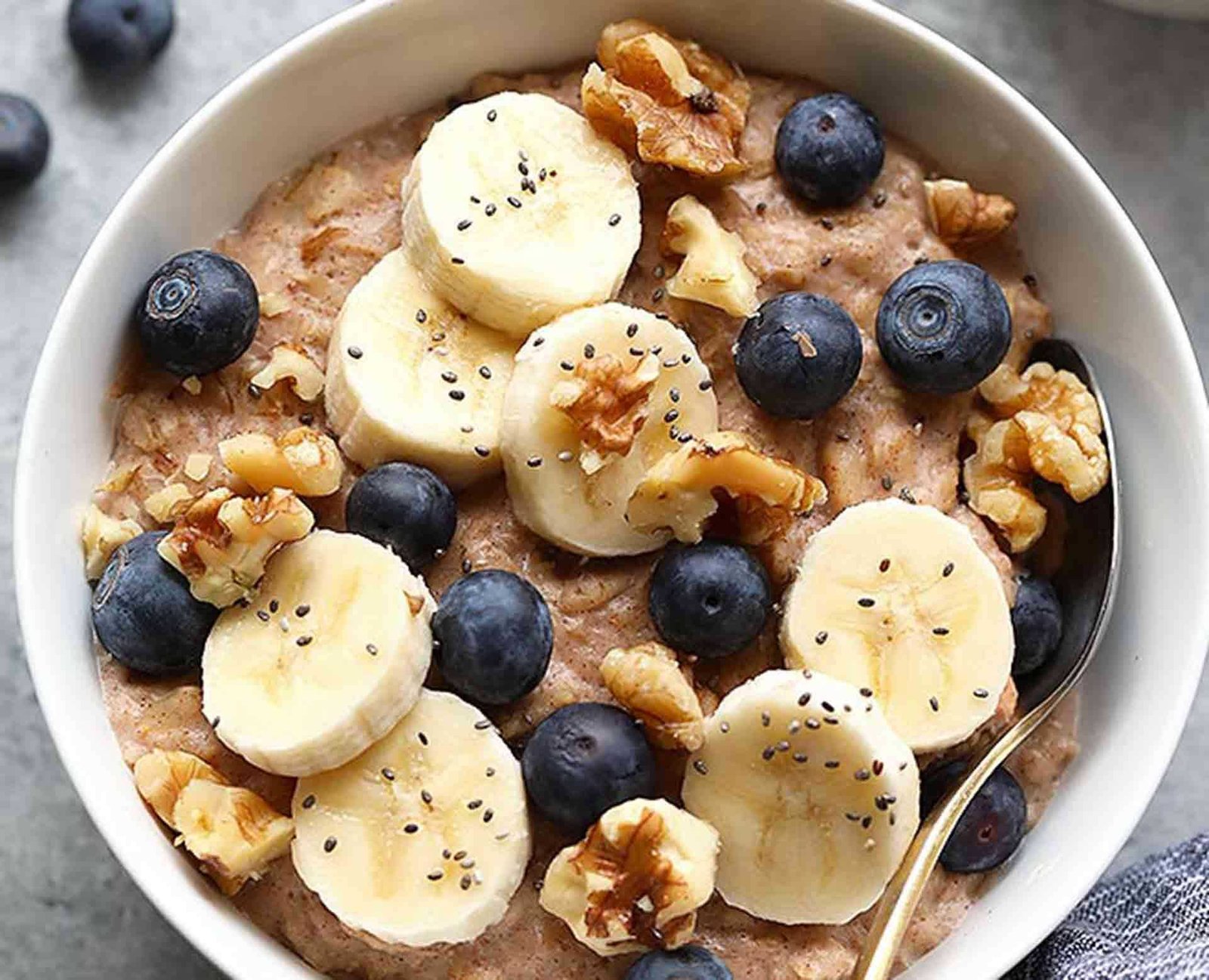
You should wait about 30 to 60 minutes after your pre-workout meal before hitting the gym. This window allows your body to digest and absorb the nutrients, giving you optimal energy without feeling sluggish. The right timing can boost your workout performance and prevent discomfort during exercise.
In general, waiting around half an hour to an hour after eating ensures you have enough energy on board without feeling overly full or bloated. The ideal wait time depends on what you ate—lighter meals require less digestion time, while heavy or high-fat foods might need more. To maximize your workout, listen to your body and plan your meals accordingly. Knowing how long to wait can make a significant difference in how energized and comfortable you feel during your exercise session.

How Long Should You Wait After Pre Workout Meal
Understanding the Purpose of a Pre Workout Meal
Eating before exercise helps provide your body with essential energy and nutrients. It ensures you have enough fuel for a productive workout session. Without the right timing, your performance could suffer or you might feel discomfort.
What Happens During Exercise After Eating?
When you exercise after eating, your body uses the nutrients from your meal for energy. If you wait too long, your blood sugar levels might drop, leading to fatigue. Waiting too soon can cause stomach discomfort or indigestion.
Ideal Time Frame to Wait After Eating Before Working Out
Most experts recommend waiting between 30 minutes to 3 hours after your pre workout meal. The exact time depends on the size and content of what you’ve eaten. Smaller, carbohydrate-rich snacks may digest faster, allowing for a shorter wait.
Waiting 30 Minutes to 1 Hour
This is suitable for light, easily digestible foods like fruits or a small yogurt. It provides quick energy without causing bloating or stomach discomfort. It’s best when your workout is less intense or shorter in duration.
Waiting 1 to 2 Hours
A balanced meal with carbohydrates, protein, and healthy fats fits into this window. It allows your body to process the food properly, giving you sustained energy. This timing works well for moderate workouts that last around an hour.
Waiting 2 to 3 Hours
Larger or more complex meals, like a full plate with grains, vegetables, and protein, require more digestion time. Waiting this long helps prevent stomach issues and maximizes energy availability. It’s ideal for longer or more intense exercise sessions.
Factors Influencing How Long to Wait
Several factors can affect your ideal waiting period, including meal composition, your digestive health, and workout intensity. Listening to your body is essential for customizing your timing.
Meal Composition
High-fat or high-protein foods take longer to digest, increasing the wait time needed before exercise. Conversely, light carbohydrate-rich snacks digest more quickly.
Digestive Sensitivity and Personal Tolerance
Some people experience discomfort if they exercise too soon after eating. If you notice bloating or stomach cramps, consider waiting longer or adjusting your meal content.
Workout Intensity and Duration
More vigorous or longer workouts may require a more substantial meal and a longer wait. Light exercises might only need a quick snack and a shorter delay.
Signs You’re Ready to Exercise After a Meal
Your body gives cues about whether you’re prepared to work out. These signs can help guide the timing.
- Feeling hungry but not overly full or bloated
- Having stable energy levels without sugar crashes
- No stomach discomfort or cramps
- Feeling alert and motivated
Tips for Optimizing Your Pre Workout Timing
To maximize energy and comfort, consider these tips for timing your meal.
- Plan your meal 1 to 2 hours before exercise for most workouts.
- Choose easily digestible foods if you plan to exercise sooner.
- Avoid high-fat or greasy foods before working out.
- Stay hydrated with water, but avoid drinking large amounts immediately before exercise.
- Listen to your body’s signals and adjust timing as needed.
Sample Meal and Timing Scenarios
Here are some common meal ideas and suggested waiting periods:
| Meal Type | Ingredients | Timing Before Workout |
|---|---|---|
| Light Snack | Banana or apple with a small handful of almonds | 30 minutes to 1 hour |
| Small Meal | Yogurt with berries and honey | 1 hour |
| Full Meal | Grilled chicken with rice and vegetables | 2 to 3 hours |
Common Mistakes to Avoid
Avoid these mistakes to ensure optimal workout performance and comfort.
- Waiting too long after a large meal, leading to hunger during exercise
- Starting exercise immediately after a very heavy or greasy meal
- Consuming large quantities of sugary foods right before workout
- Ignoring your body’s signals and pushing through discomfort
Myth Busting: Do You Need to Fast Before Exercise?
Many believe fasting enhances workout performance, but it’s not always true. Exercising on an empty stomach can cause dizziness or fatigue. A balanced pre workout meal can improve energy and endurance efficiently.
Special Considerations for Different Types of Exercise
The timing may vary depending on the workout style and goals.
Weight Lifting or Strength Training
A meal rich in protein 1 to 2 hours before helps with muscle repair and growth. Carbohydrates provide quick energy, so include both.
Cardio or Endurance Training
Carbohydrate-focused meals 1 to 2 hours before are ideal. Prioritize foods like oats, bananas, or toast.
High-Intensity Interval Training (HIIT)
Consume a small, easily digestible snack 30 to 60 minutes before training. Hydration is especially important here.
The Role of Hydration
Staying hydrated enhances workout performance and digestion. Drink water regularly throughout the day and sip small amounts before exercise. Avoid excessive drinking immediately beforehand to prevent discomfort.
Summary of Timing Recommendations
Here’s a quick overview:
- 30 Minutes to 1 Hour: Light snacks like fruit or small yogurt
- 1 to 2 Hours: Balanced small meals with carbs and protein
- 2 to 3 Hours: Larger, complex meals like grains, vegetables, and lean protein
Choosing when to exercise after a pre workout meal depends on your meal size, ingredients, and personal tolerance. Listening to your body’s signals and planning your meals accordingly leads to better performance and comfort during workouts. Remember, the goal is to feel energized without discomfort, so experiment to find what timing works best for you.
The Best Pre & Post-Workout Meals (According To Science)
Frequently Asked Questions
How does meal composition affect the waiting time before exercising?
The types of foods you consume in your pre-workout meal influence how long you should wait before exercising. Meals rich in fats and proteins digest more slowly, requiring you to wait at least 2 to 3 hours to avoid discomfort. In contrast, lighter meals high in carbohydrates digest faster, allowing a shorter wait of about 30 minutes to an hour. Adjusting your timing based on your meal’s ingredients helps improve comfort and energy levels during your workout.
What signs indicate it’s time to start exercising after a pre-workout meal?
Look for signs like reduced fullness, increased energy, and no feelings of nausea or bloating. These symptoms suggest your body has partially digested the meal and is ready for physical activity. Waiting until your stomach feels comfortable and you have steady energy ensures you don’t experience discomfort or cramping during exercise.
Is it beneficial to wait longer if I ate a large or heavy meal before working out?
Yes, waiting longer after a large or heavy meal provides your body ample time to digest and minimizes the risk of gastrointestinal issues during exercise. Generally, giving yourself about 3 to 4 hours after a substantial meal helps prevent discomfort and allows you to perform at your best without feeling sluggish or bloated.
How should I time my pre-workout meal if I plan to do high-intensity training?
For high-intensity workouts, consuming a balanced meal rich in carbohydrates with moderate protein about 1 to 2 hours before exercising works well. This timing provides enough energy without causing discomfort. Avoid eating too close to your workout to prevent gastrointestinal issues that can hinder your performance.
What are the potential consequences of exercising too soon after eating?
Exercising immediately after eating can lead to nausea, cramping, indigestion, or fatigue. Your body’s energy is still directed toward digestion, which can interfere with your workout and reduce performance. Allowing your body enough time to digest helps you feel more comfortable and perform better during your training session.
Final Thoughts
The ideal wait time after a pre workout meal varies based on individual digestion and meal size. Typically, waiting 30 to 60 minutes allows your body to digest and absorb nutrients effectively. This window helps prevent discomfort during exercise and ensures sustained energy.
Remember, how long should you wait after pre workout meal depends on your personal comfort and meal composition. Listening to your body provides the best guidance for optimal performance.
As an Amazon Associate, We earn from qualifying purchases. When you purchase a product through Amazon links on pulsefitguide.com, we may earn a small commission at no extra cost to you. This helps support the site and keep our content free.
