


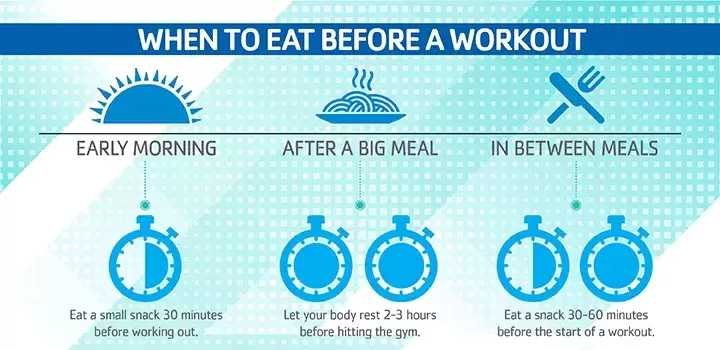
Wait at least 30 minutes to 2 hours after a meal before hitting the gym to give your body time to digest. Exercising too soon can cause discomfort or cramps, while waiting too long might make you feel sluggish. The ideal wait time depends on what and how much you’ve eaten, along with the intensity of your workout. Generally, a light workout can be done sooner, while a more intense session is better after a longer digestion period. Listen to your body; if you feel full or bloated, give yourself extra time. Striking the right balance can help improve your performance and prevent digestive issues, ensuring your workout is both effective and comfortable.
If you want to work out comfortably after eating, wait approximately 30 minutes to 2 hours depending on your meal size and activity level. Smaller, lighter meals require less waiting, while larger meals need more digestion time. Timing your workout properly can help you avoid discomfort and maximize your exercise benefits.
Exercising immediately after a large meal can lead to cramping, nausea, or indigestion, making your workout uncomfortable and less effective. On the other hand, working out too long after eating might leave you feeling drained or sluggish. Finding the right window—typically 30 minutes to 2 hours—allows your body to digest properly and gives you enough energy for a productive session. Whether you’re planning a brisk walk, a gentle yoga session, or a high-intensity workout, understanding how long to wait after eating can help you perform at your best.

How Long Should You Gym After Eating?
Understanding the right time to hit the gym after eating is important for safety and performance. Many people wonder whether they should work out immediately after a meal or wait for some time. The answer depends on various factors, including the size of the meal, the type of exercise planned, and individual digestion speed. Let’s explore these aspects to help you make the best decision for your workout routine.
Why Timing Matters When Exercising After Eating
Exercising too soon after a meal can cause discomfort, such as nausea, cramps, or indigestion. Your body needs time to digest food, especially larger meals rich in fats and proteins. Exercising immediately can divert blood flow from the stomach to your muscles, hindering digestion. Waiting ensures your body is ready for physical activity without unnecessary discomfort or health risks.
How Long Should You Wait After Different Types of Meals?
The amount of time you should wait depends on what you’ve eaten. Here’s a guide based on meal size and composition:
Small Snacks (Fruits, Yogurt, or a Light Bar)
If you’ve had a small snack, wait about **30 minutes to 1 hour** before exercising. These foods are typically easier to digest, so you can work out sooner.
Light Meals (Salads, Sandwiches, or Light Pasta)
For a light meal, it’s best to wait around **1 to 2 hours**. This period allows your body to process the food enough to prevent discomfort during physical activity.
Heavy Meals (Fried Foods, Large Meat Dishes, or Rich Dishes)
Heavy meals may require a longer wait of **2 to 3 hours** or more. Such meals take longer to digest, and exercising too soon can lead to feeling sluggish or nauseous.
The Impact of Meal Composition on Exercise Timing
Different nutrients impact digestion time and workout performance differently. Let’s look at some key components:
Carbohydrates
Carbohydrates are quick to digest and provide readily available energy. They generally allow for shorter wait times, especially simple carbs like fruits or bread, which digest faster.
Proteins
Proteins take longer to break down. Meals high in protein, like grilled chicken or fish, might require a longer wait, typically around 2 hours or more.
Fats
Fats digest the slowest and can cause discomfort if you exercise too soon after eating. It’s advisable to wait at least 2 to 3 hours after fatty meals.
How Exercise Intensity Affects Timing
Your workout type and intensity also influence when to exercise after eating. Consider these factors:
Light to Moderate Exercise
Activities like walking, yoga, or light cycling often allow you to exercise sooner, within 30 minutes to 1 hour after a small snack.
High-Intensity or Heavy Weight Training
Intensive workouts require more energy and can be uncomfortable if you haven’t digested your meal properly. Waiting at least 2 hours after a substantial meal is recommended.
Cardio and Running
Running or intense cardio might cause stomach discomfort if done too soon. Allow at least 1 to 2 hours after a light meal or snack.
Signs You Shouldn’t Exercise Immediately After Eating
Be mindful of your body’s signals. Common signs include:
- Feeling nauseous or queasy
- Stomach cramping or bloating
- Heavy feeling or sluggishness
- Heartburn or acid reflux
If these symptoms occur, give your body more time to digest before working out again.
Tips to Maximize Your Post-Meal Workout
Here are some tips to help you exercise comfortably after eating:
- Choose easily digestible foods close to your workout time.
- Opt for smaller portions if you’re planning a quick workout.
- Hydrate well but avoid drinking large quantities of water immediately before exercising.
- Listen to your body; if you feel uncomfortable, postpone your workout.
- Consider a gentle warm-up to prepare your stomach and muscles.
Related Topics: How to Manage Post-Meal Energy for Better Workouts
Other strategies can help improve your workout experience after eating:
Pre-Workout Snacks
Eat a small, carbohydrate-rich snack about 30 minutes before exercise to boost energy levels without discomfort.
Post-Workout Nutrition
Refuel with proteins and carbs to support recovery and replenish energy stores after your workout.
Hydration Tips
Drink water consistently throughout the day and sip small amounts during your workout to stay hydrated.
Balancing Meal Timing and Workout Schedule
Plan your workouts around meal times to optimize energy and comfort, especially for intense or long sessions.
Summary Table: Ideal Timing Based on Meal Type and Workout Intensity
| Meal Type | Time to Wait Before Workout | Recommended Exercise Intensity |
|---|---|---|
| Small snack (fruit, yogurt) | 30 minutes to 1 hour | Light to moderate |
| Light meal (salad, sandwich) | 1 to 2 hours | Moderate |
| Heavy meal (fried foods, large meat dishes) | 2 to 3 hours or more | Low to moderate |
Knowing how long to wait after eating can improve your workout experience and prevent discomfort. Adjust your timing based on meal size, nutrient composition, and workout intensity. Remember, listening to your body is the best guide to prevent issues and make your fitness journey enjoyable. Being mindful of these factors helps you stay active, healthy, and comfortable during your exercise routine.
Muscle Recovery: How Long Should You Rest Between Workouts?
Frequently Asked Questions
What are the risks of exercising immediately after a heavy meal?
Exercising right after a large meal can cause discomfort such as nausea, cramping, or indigestion. Your body directs blood flow to digest the food, which may leave less oxygen and energy available for your muscles during exercise. This can lead to decreased performance and an increased chance of stomach upset or cramping.
How does the type of food I eat affect the timing of my workout?
The type of food you consume influences how long you should wait before exercising. Heavy, greasy, or high-fiber meals take longer to digest and may require waiting 2 to 3 hours. Light snacks like fruit or yogurt are easier to digest and might only need about 30 to 60 minutes before you feel comfortable working out.
Are there benefits to waiting a certain amount of time after eating before hitting the gym?
Waiting 1 to 2 hours after a substantial meal allows your body to digest food efficiently and can improve your workout performance. It helps prevent gastrointestinal discomfort and ensures you have enough energy for exercise, making your session more effective and comfortable.
What indicators should I watch for to know when it’s okay to exercise after eating?
Pay attention to how your body feels. If you experience bloating, stomach pain, or nausea, it’s best to postpone your workout. Feeling comfortable and free of digestive discomfort suggests your body has adjusted enough for a workout to be safe and effective.
How can I time my meals and workouts for optimal energy and comfort?
Plan your meals so that you eat a balanced, smaller meal or snack about 1 to 2 hours before exercising. Avoid heavy, high-fat, or spicy foods close to your workout time. This approach helps maintain your energy levels and reduces the chance of digestive issues during exercise.
Final Thoughts
Il est généralement conseillé d’attendre 30 minutes à 2 heures après un repas avant de faire de l’exercice. Cela donne à votre corps le temps de digérer et de réduire l’inconfort. Si vous avez mangé léger, une période plus courte suffit. Pour des repas plus copieux, privilégiez une attente plus longue pour éviter les crampes ou la fatigue pendant l’entraînement. En résumé, comment long should you gym after eating dépend de la taille du repas et de votre confort personnel.
As an Amazon Associate, We earn from qualifying purchases. When you purchase a product through Amazon links on pulsefitguide.com, we may earn a small commission at no extra cost to you. This helps support the site and keep our content free.
