


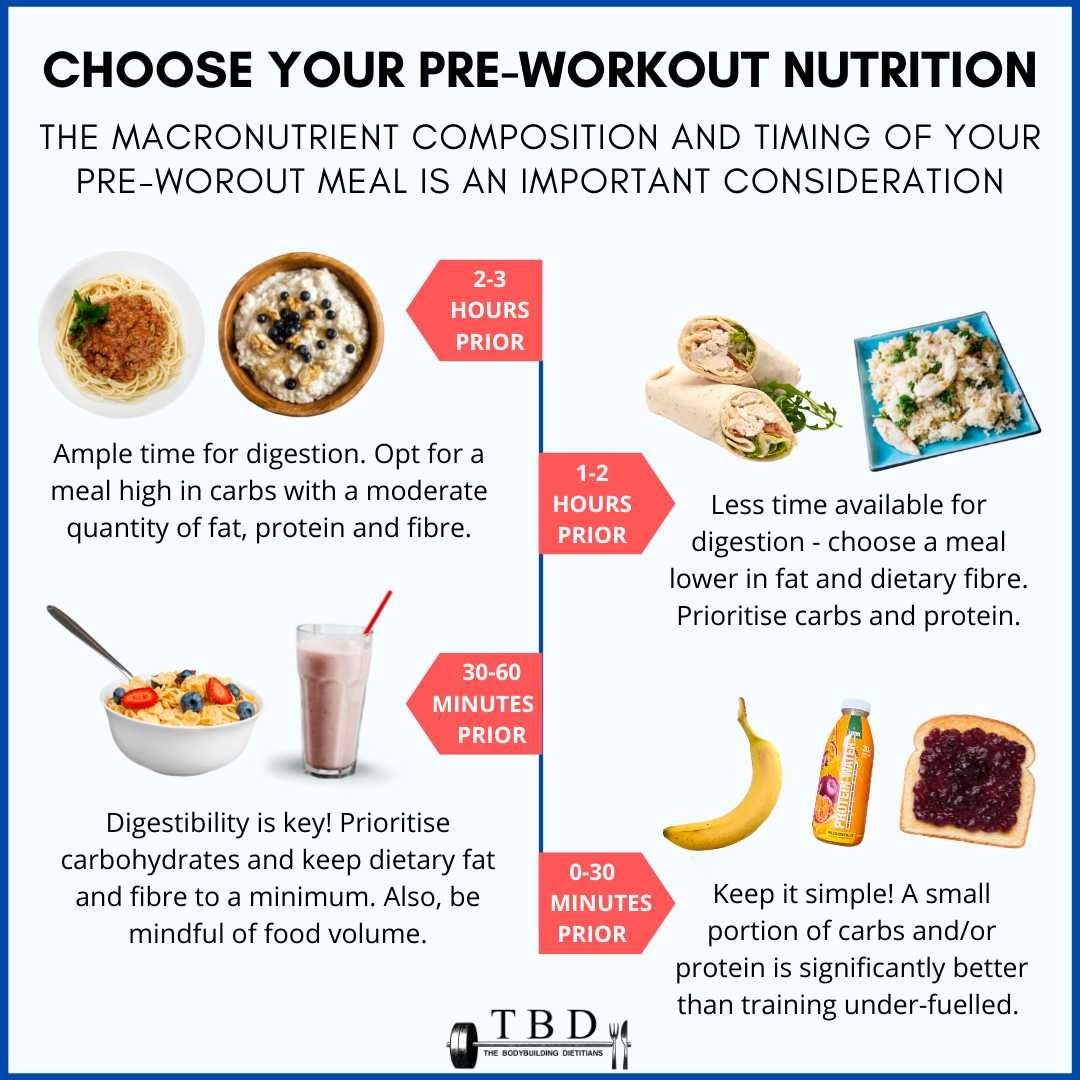
Eating your pre-workout meal at the right time can make all the difference in your performance and energy levels. The quick answer is to have your meal about 1 to 3 hours before you hit the gym. This allows your body enough time to digest and turn the food into usable energy without feeling bloated or sluggish. If you’re pressed for time, a small snack 30 to 60 minutes prior can also work well. Getting this timing right helps you maximize your workout potential and improves recovery afterward.
For optimal results, aim to eat a balanced meal containing carbs, protein, and healthy fats about 1 to 3 hours before exercising. This window ensures your body has enough fuel without discomfort, but it’s flexible depending on your digestion and workout intensity. Depending on your schedule and how quickly you digest food, adjusting this window can make your exercise sessions more effective and enjoyable.

How Long Should I Eat My Pre Workout Meal?
Knowing the best timing for your pre workout meal can make a big difference in how you feel during exercise. Eating too early might leave you feeling hungry, while eating too late could cause discomfort. Let’s explore the optimal timing for your pre workout nutrition so you can perform your best.
Understanding the Importance of Pre Workout Nutrition
Pre workout meals fuel your muscles and provide energy for your workout session. Proper timing ensures your body has enough nutrients to perform well without feeling sluggish or bloated. Balancing meal content and timing helps maximize energy levels and endurance.
How Timing Affects Your Energy and Performance
The timing of your meal impacts how your body uses the nutrients. Eating too close to your workout might cause stomach discomfort, while eating too early could mean your energy levels drop. The goal is to find a sweet spot where digestion is complete, and energy is peaking.
General Guidelines for Meal Timing
Eating 2 to 3 Hours Before Your Workout
This is the most common recommendation for a substantial pre workout meal. It allows enough time for digestion, so you avoid feeling heavy or bloated during exercise. Focus on balanced nutrients, including carbs, protein, and a small amount of healthy fats.
Eating 30 to 60 Minutes Before Your Workout
If you prefer a smaller snack, consuming it within this window can provide quick energy. Keep the snack light and easily digestible, such as a banana or a small yogurt. Avoid high-fat or high-fiber foods that take longer to digest.
What to Eat Before Your Workout
Carbohydrates Are Key
Carbohydrates are your body’s primary fuel source during exercise. Choose options like whole-grain bread, oats, fruits, or rice. These provide sustained energy and prevent fatigue.
Incorporate a Moderate Protein Intake
Protein supports muscle repair and growth. Small portions of lean meats, eggs, or Greek yogurt can be part of your meal. Avoid excessive protein right before training, as it might cause stomach discomfort.
Healthy Fats and Their Role
While fats are essential, limit high-fat foods before workouts as they digest slowly. Small amounts of nuts or avocado are fine if eaten well before exercise.
Sample Pre Workout Meals and Snacks
| Timing | Meal/Snack | Examples |
|---|---|---|
| 2 to 3 Hours Before | Full meal | Grilled chicken with brown rice and vegetables, or oatmeal with fruit and nuts |
| 30 to 60 Minutes Before | Light snack | Banana with a spoon of peanut butter, or a small yogurt with honey |
Signs You’re Timing Your Meal Correctly
- You feel energized and alert during your workout
- You don’t experience stomach discomfort or bloating
- You maintain good endurance and strength throughout
- You avoid feeling hungry or overly full during your session
Adjusting Based on Personal Tolerance
Everyone’s digestion and energy response are different. Pay attention to how your body feels after eating at various times. Experimenting helps you find the perfect window for your pre workout nutrition.
Special Considerations for Different Types of Exercise
High-Intensity and Long Duration Workouts
For intense sessions, opt for more substantial meals 2 to 3 hours beforehand. Incorporate complex carbs and adequate protein to sustain energy and support recovery.
Light or Short Workouts
Short sessions may only require a small snack, eaten 30 to 60 minutes before. This can provide enough fuel without feeling overly full.
Hydration and Its Role in Timing
Don’t forget about water. Drink plenty of fluids before your workout, ideally starting an hour earlier. Proper hydration supports digestion and helps prevent cramps during exercise.
Tips for Optimizing Your Pre Workout Meal Timing
- Plan meals ahead to avoid last-minute decisions that could lead to poor timing.
- Stick to familiar foods that won’t upset your stomach.
- Monitor your energy levels and adjust your meal timing accordingly.
- Avoid eating large or greasy meals immediately before training.
- Consider your workout schedule and meal preferences to maintain consistency.
Common Mistakes and How to Avoid Them
- Eating too close to exercise: Can cause nausea and discomfort. Aim for at least 30 minutes to 1 hour before activity.
- Skipping meals: Leads to low energy and poor performance. Regular nutrition helps maintain optimal energy levels.
- Relying on high-fat foods: Slow digestion can hinder performance. Opt for easily digestible options.
Summary of Key Points
To get the most benefit from your pre workout meal, aim to eat a balanced meal 2 to 3 hours before exercise. For smaller snacks, consume them 30 to 60 minutes prior. Focus on carbohydrates, moderate protein, and minimal fats for optimal energy and digestion.
Experiment with different timing and foods to find what works best for your body and workout routine. Staying well-hydrated and choosing familiar, easily digestible foods can make a significant difference in your performance and comfort.
MEAL TIMING | WHEN I EAT BEFORE AND AFTER TRAINING 🍕⏰
Frequently Asked Questions
How far in advance should I eat my pre-workout meal before exercising?
It’s best to eat your pre-workout meal about 1 to 3 hours before your workout. This window allows your body to digest the food properly, providing you with sustained energy without feeling overly full or sluggish during exercise. The exact timing can vary based on individual digestion and the size of the meal.
What are the signs that I ate my pre-workout meal at the right time?
When you eat your pre-workout meal at the appropriate time, you typically feel energized but not overly full or uncomfortable. You might notice a steady boost in energy levels and minimal stomach discomfort during your workout. Listening to your body can help you fine-tune the timing for future sessions.
Is it better to eat a small snack or a full meal before exercising?
If you prefer quick energy, a small snack rich in simple carbohydrates and some protein can suffice, especially if eaten 30 to 60 minutes before exercise. For longer or more intense workouts, a balanced full meal with carbs, protein, and healthy fats consumed 1 to 3 hours beforehand helps sustain your energy levels throughout the session.
How does the type of food affect the timing of my pre-workout meal?
Foods that are high in fat or fiber may take longer to digest, so eating these too close to your workout can cause discomfort. Opt for easily digestible options like fruits, yogurt, or a small sandwich with lean protein. Adjust the timing based on your meal composition to ensure your body is ready for activity.
What should I do if I feel hungry during my workout?
If you start feeling hungry mid-workout, it’s likely that your pre-workout meal was too small or consumed too long ago. Consider having a small, quick snack like a banana or energy gel during your exercise to maintain your energy and prevent fatigue. For future sessions, slightly adjusting your meal timing or size can help avoid this issue.
Final Thoughts
The optimal time to eat your pre workout meal depends on your digestion and workout intensity. Generally, eating 30 to 60 minutes before exercise allows your body to process nutrients effectively. If you eat too early, you might feel hungry or fatigued; too late, and discomfort may arise.
Understanding how long should I eat my pre workout meal helps maximize energy and performance. Listen to your body, and adjust timing accordingly for the best results.
As an Amazon Associate, We earn from qualifying purchases. When you purchase a product through Amazon links on pulsefitguide.com, we may earn a small commission at no extra cost to you. This helps support the site and keep our content free.
