


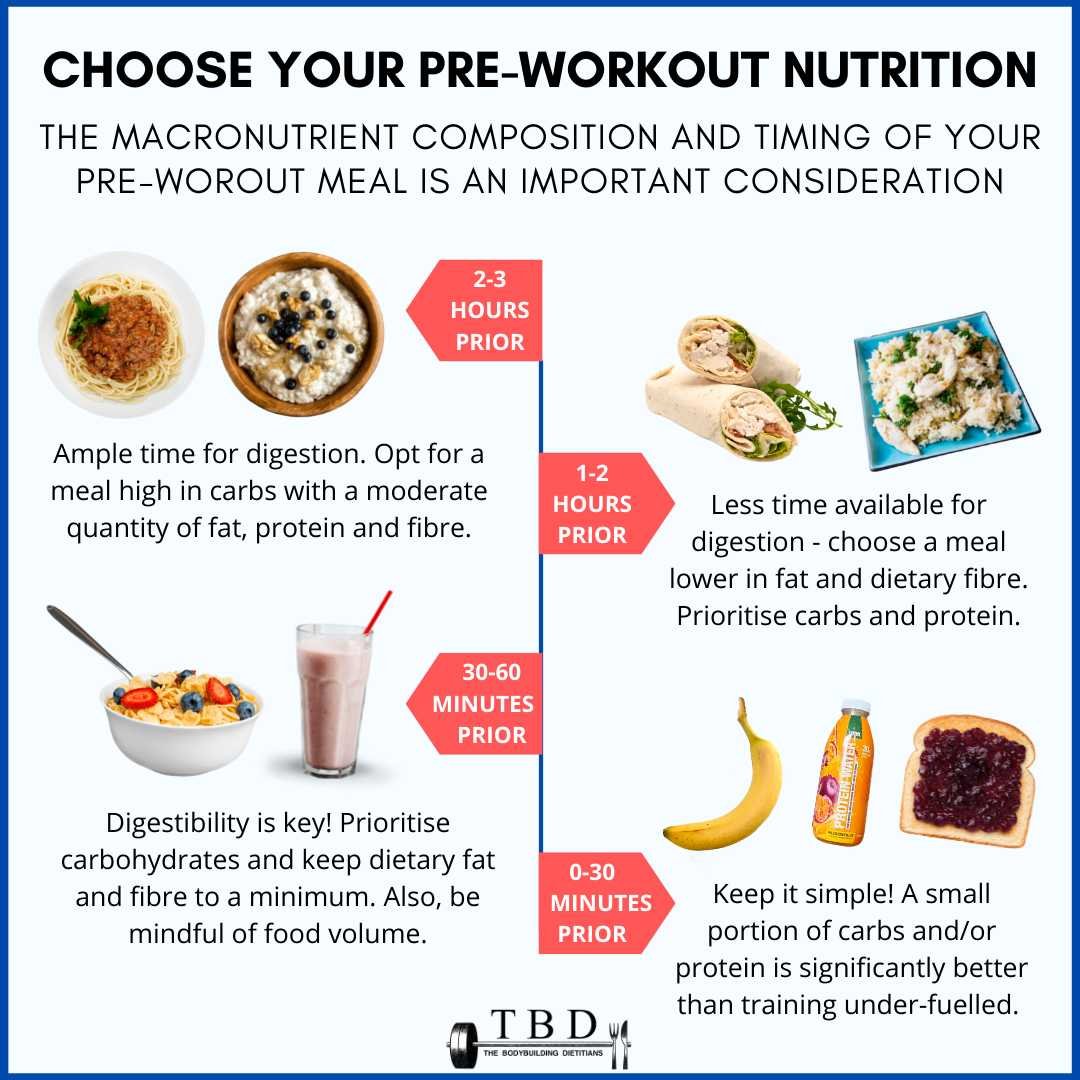
For optimal performance, aim to eat your pre-workout meal about 30 to 60 minutes before hitting the gym. This allows your body enough time to digest the food and convert it into energy without feeling too full or sluggish.
In just 30 to 60 minutes before exercise, your body can efficiently utilize the nutrients from your meal, giving you the energy boost you need. Eating too close to your workout might cause discomfort, while waiting too long can leave you feeling low on energy. Finding the right window is key to maximizing your workout results and feeling great during your session.
If you’re looking to fuel up effectively before your workout, planning your meal about half an hour to an hour in advance is usually ideal. This timing helps to balance digestion with energy levels, ensuring you’re ready to perform at your best. Remember, everyone’s body reacts differently, so it’s important to listen to how you feel and adjust your timing accordingly.

How Long Before to Have Pre Workout Meal: A Complete Guide
Eating the right amount of food before exercising helps boost your energy and improves your performance. Knowing exactly how long before your workout to eat can make a big difference. It’s not just about what you eat but also about timing that can help you feel your best during exercise.
Why Timing of Your Pre Workout Meal Matters
The timing of your pre workout meal affects how your body uses energy. Eating too close to your workout can lead to discomfort or sluggishness. Eating too early might leave you feeling hungry or low on energy. Finding the right window can optimize your workout results.
Proper timing ensures your body has enough nutrients to perform well while avoiding digestive issues. It helps you stay energized, focus better, and recover faster after exercising.
General Guidelines for Pre Workout Eating
Most people find that eating between 30 minutes to 3 hours before exercise works best. The ideal timing depends on what type of meal you choose and how your body reacts to food.
Smaller, easily digestible snacks are best if eaten closer to your workout, while larger meals should be spaced out longer. This way, your body can process the food comfortably.
How Long Before to Have a Small Snack
If you’re planning to work out soon, a small snack is perfect roughly 30 minutes to 1 hour before exercise. Snacks should be light and rich in carbs with some protein.
Examples include a banana with a small spoon of peanut butter or a slice of whole-grain bread with honey. These foods provide quick energy without causing discomfort.
- Benefits of a small snack
- Quick energy boost
- Easy to digest
Ideal Timing for a Full Meal
A full meal should be eaten about 2 to 3 hours before your workout. It should include a balance of carbs, protein, and healthy fats. This provides sustained energy for longer exercise sessions.
Good meal options include grilled chicken with rice and vegetables, or a turkey sandwich with a side salad. Avoid greasy or very high-fat foods that can cause stomach upset.
- Provides lasting energy
- Reduces hunger during workout
- Prevents fatigue and sluggishness
What Happens if You Eat Too Close to Your Workout?
Eating too shortly before exercising can lead to discomfort, cramps, or nausea. This is because your body is trying to digest food while you’re physically active.
It can also cause sluggishness, making you feel tired or bloated. To avoid this, give your stomach enough time to process the food.
Signs You Ate Too Close
- Bloating or cramping
- Nausea or stomach ache
- Feeling sluggish or tired during exercise
Signs You Ate Too Early or Not Enough
If you feel hungry or low on energy during your workout, it might be that your pre workout meal was too early or insufficient. You want to ensure your body has enough fuel for the activity ahead.
Choosing the right timing and meal size can help avoid these issues. Adjust your schedule if needed based on how your body responds.
Special Considerations for Different Types of Exercise
For Cardio Workouts
Cardio sessions benefit from a small carbohydrate-rich snack 30 minutes to 1 hour before activity. This provides quick energy without feeling heavy.
For Strength Training
Strength workouts benefit from a full meal 2 hours before. Including protein helps muscle repair and growth after exercise.
For Long or Intense Exercise
Longer sessions need a combination of carbs and proteins about 3 hours beforehand, with a small snack close to the workout. This sustains energy across a longer period.
Hydration and Its Role in Pre Workout Nutrition
Staying well-hydrated is equally important when planning your pre workout meal. Drink water about 15 to 30 minutes before exercise to ensure your body is ready.
If your workout is intense or in hot weather, consider adding electrolytes to your drinks to replace lost minerals. Proper hydration helps improve endurance and reduces the risk of cramps.
Tips for Planning Your Pre Workout Meal
- Eat at least 2 hours before if choosing a large, balanced meal.
- Opt for a smaller snack 30 minutes to 1 hour before if you’re short on time.
- Avoid heavy, greasy foods that can cause discomfort or bloating.
- Stay hydrated with water or electrolyte drinks.
- Adjust your timing based on how your body feels and responds.
Sample Meal and Snack Timetable
| Timing | Meals or Snacks |
|---|---|
| 3 hours before exercise | Grilled chicken with rice and vegetables |
| 1 hour before exercise | Banana with a small spoon of peanut butter |
| 30 minutes before exercise | Energy gel or a piece of fruit |
| During exercise (if needed) | Electrolyte drink |
Final Thoughts on Timing Your Pre Workout Meal
The key takeaway is to listen to your body and experiment to find what works best for you. Proper timing and balanced nutrition can greatly enhance your workout experience.
Remember, the goal is to feel energized without discomfort, so plan your meals and snacks accordingly. With practice, you’ll learn the perfect timing that helps you perform at your best every time.
The Best Pre & Post-Workout Meals (According To Science)
Frequently Asked Questions
How does the timing of my pre-workout meal affect my performance?
Eating the right amount of time before your workout allows your body to digest food properly, providing necessary energy without causing discomfort. If you eat too close to your session, you might experience bloating or sluggishness, while waiting too long could leave you feeling low on energy. Aim to eat your meal approximately 1 to 2 hours before exercising for optimal results.
What are the signs that I should adjust my pre-workout meal timing?
If you notice symptoms like stomach cramps, nausea, or feeling overly full during your workout, it might be time to shift your eating schedule. Additionally, if you feel fatigued or lack energy during exercise, consider eating a bit earlier or choosing easily digestible foods. Listening to your body’s responses helps tailor the timing for your needs.
Can I have a small snack closer to my workout instead of a full meal?
Yes, having a light snack about 30 to 60 minutes before your workout can boost your energy levels. Opt for simple carbohydrate sources like a banana or a small granola bar, which digest quickly and provide quick fuel. This approach works well if a full meal isn’t feasible within your preferred timeframe.
How should I choose my pre-workout meal based on my workout intensity?
For high-intensity sessions, consume a balanced meal rich in carbs and moderate protein about 1 to 2 hours beforehand to ensure sustained energy. For lower-intensity activities, you can have a smaller, easily digestible snack closer to the workout. Adjusting your meal size and timing helps match your energy needs to the workout’s demands.
Is there a benefit to timing my carbohydrate intake specifically before exercise?
Consuming carbohydrates roughly 1 to 2 hours before your workout provides your muscles with readily available fuel, which can enhance endurance and delay fatigue. Focus on complex carbs for sustained energy, and pair them with a small amount of protein if you have enough time before exercise.
Final Thoughts
To sum up, the timing of your pre workout meal is crucial for optimal performance. Generally, aim to eat 30 to 60 minutes before your workout for best results. This window allows digestion without feeling too full or sluggish. Remember, how long before to have pre workout meal depends on your personal digestion and comfort. Adjust based on how your body responds, ensuring you’re energized without discomfort.
As an Amazon Associate, We earn from qualifying purchases. When you purchase a product through Amazon links on pulsefitguide.com, we may earn a small commission at no extra cost to you. This helps support the site and keep our content free.
