


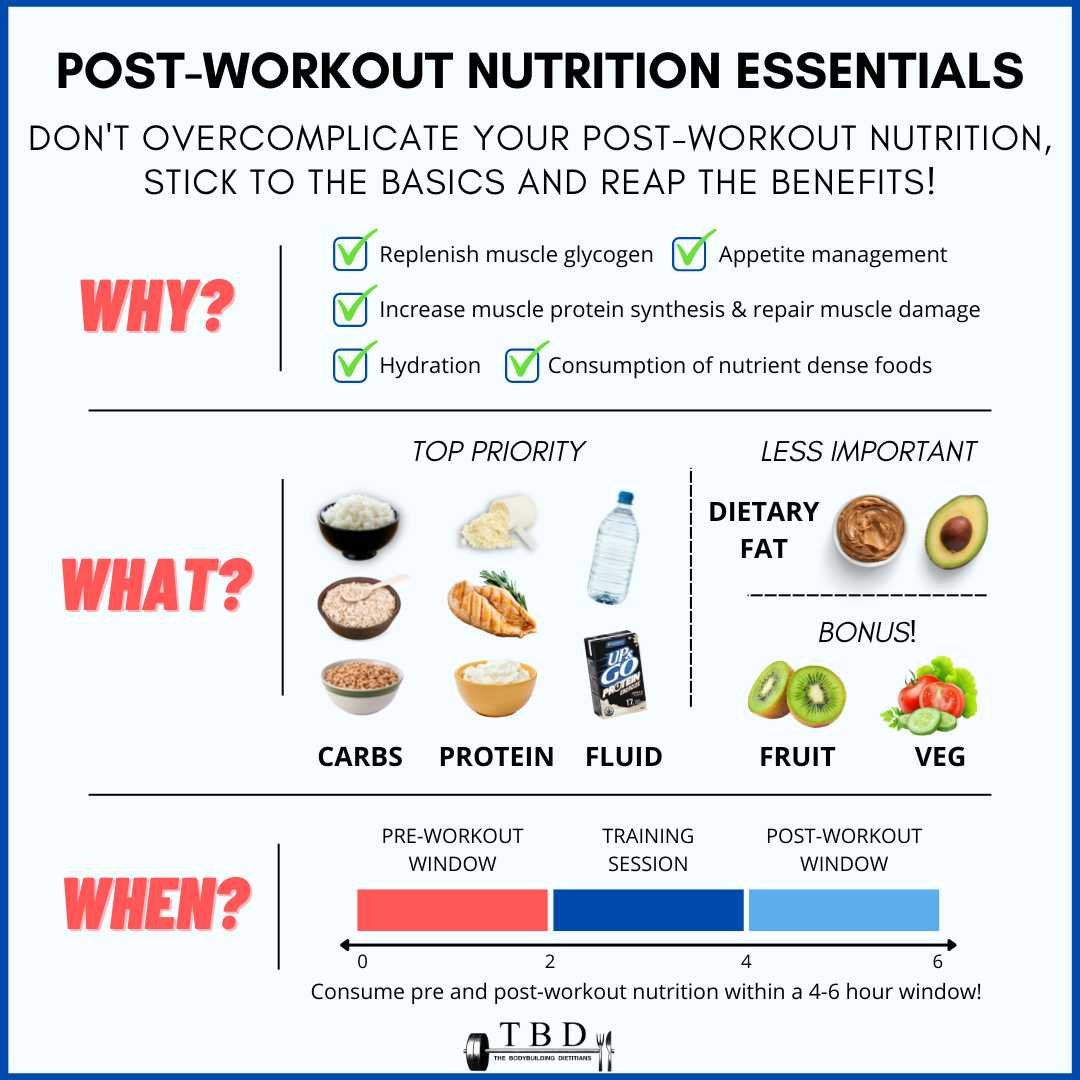
You should aim to eat within 30 to 60 minutes after your workout to maximize recovery and muscle growth. Eating promptly helps replenish glycogen stores, repair muscle tissue, and support overall energy levels. Ideally, a balanced meal or snack containing protein and carbohydrates should be consumed soon after exercising.
Consuming food shortly after your workout is crucial, but the exact timing can vary based on your goals, workout intensity, and personal preferences. Most experts recommend eating within an hour to help your body recover efficiently and optimize the benefits of your exercise routine. If you wait too long, you might miss out on the opportunity to restore energy and repair muscles effectively, delaying your progress and recovery. Now, let’s explore why this timing matters and how to make the most of your post-workout nutrition for better results.

How Long After Should You Eat After a Workout?
Understanding the Importance of Post-Workout Nutrition
Eating after a workout is crucial because your body needs to recover and refuel. When you exercise, especially during intense sessions, your muscles use up glycogen stores and experience minor tears. Consuming food promptly helps repair these muscles and restores energy levels quickly.
Proper post-workout nutrition can also reduce muscle soreness and improve overall recovery time. It ensures your body gets the nutrients needed to rebuild and strengthen muscles. Timing your meals correctly can make a big difference in how you feel and perform in future workouts.
Optimal Timing: How Quickly Should You Eat After Exercise?
Most fitness experts recommend eating within 30 to 60 minutes after completing a workout. This window is often called the “anabolic window” because your muscles absorb nutrients more effectively during this period. Waiting too long might slow down recovery and reduce the benefits of your workout.
However, the *exact* timing can vary depending on your fitness goals, the intensity of your workout, and personal digestion. If you exercise lightly or have a small snack beforehand, the urgency might decrease. But for intense or lengthy sessions, quick refueling is highly advised.
What to Eat After a Workout
Choosing the right foods plays a vital role in recovery. A balanced meal should include a combination of proteins, carbohydrates, and healthy fats. Proteins help repair muscles, while carbs replenish glycogen stores.
Some ideal post-workout foods are:
- Lean meats like chicken or turkey
- Greek yogurt with fruit
- Protein shakes or smoothies
- Whole-grain bread or rice with vegetables
- Eggs with toast
Including a variety of these foods ensures you get essential nutrients needed for recovery.
Why Protein Is Essential After Exercise
Protein provides amino acids that are the building blocks for muscle repair. Consuming protein soon after a workout stimulates muscle protein synthesis, speeding up recovery. Aim for at least 15 to 25 grams of high-quality protein within the first hour after exercising.
Sources of high-quality protein include:
- Eggs
- Whey protein
- Greek yogurt
- Tuna or salmon
Incorporating protein-rich foods into your post-workout meal helps maximize muscle growth and repair.
Role of Carbohydrates in Recovery
Carbohydrates are necessary to replenish glycogen stores that deplete during exercise. Consuming carbs after your workout helps improve energy levels, especially if you plan to train again soon. It also triggers the release of insulin, which promotes nutrient uptake by muscles.
Good carbohydrate choices for recovery include:
- Sweet potatoes
- Oatmeal
- Fruits like bananas or berries
- Whole-grain bread or pasta
Balancing carbs with protein results in better recovery and reduced fatigue.
Healthy Fats and Their Role Post-Workout
While fats are generally slower to digest, including healthy fats can support overall health and reduce inflammation. Avocado, nuts, and olive oil are excellent options. Just avoid excessive fats immediately after exercise, as they can slow digestion.
Incorporating small amounts of healthy fats with your meal can support hormone production and joint health, aiding faster recovery. Remember to prioritize carbs and protein immediately after workouts and add fats later in your meal.
Hydration and Replenishing Fluids
Water is vital after exercise because it helps replace fluids lost through sweating. Proper hydration supports muscle function and prevents cramps. If your workout was intense or lasted longer than an hour, consider drinking an electrolyte-rich beverage to replace minerals like sodium and potassium.
Aim to drink at least 16-24 ounces of water within the first hour after your workout. Continue hydrating throughout the day to stay fully replenished. Proper hydration enhances overall recovery, performance, and well-being.
Meal Timing for Different Types of Workouts
The type and duration of your workout influence when and what you should eat:
Light Exercise or Short Sessions
A small snack, such as a banana or a handful of nuts, can suffice if you plan to eat a proper meal later. There is less urgency to eat immediately after light workouts.
Intense or Long Duration Workouts
Eating within 30 minutes is ideal to maximize recovery. Focus on a balanced meal rich in proteins and carbs as soon as possible.
Multiple Daily Sessions or Training for Events
Frequent fueling throughout the day helps maintain energy levels and optimizes recovery. Small, high-protein, carbohydrate-rich snacks can be spread evenly.
Common Mistakes to Avoid When Eating After a Workout
Avoid these errors to improve your recovery:
- Waiting too long to eat — delay can hinder muscle repair.
- Ignoring protein intake — essential for muscle growth and repair.
- Overeating unhealthy foods — focus on nutrient-dense options instead.
- Not hydrating enough — dehydration can slow recovery.
- Skipping carbohydrates — vital for energy replenishment.
Being mindful of these points ensures your post-workout nutrition supports your fitness goals effectively.
Additional Tips for Effective Post-Workout Nutrition
– Prepare your meals in advance to avoid skipping or rushing recovery food.
– Include a variety of colorful fruits and vegetables for vitamins and antioxidants.
– Listen to your body’s hunger cues — eat enough to feel satisfied but not overly full.
– Keep an eye on portion sizes to avoid overeating, especially if your activity level is lower.
Integrating Post-Workout Nutrition with Overall Diet
Your post-exercise meal should complement your daily nutritional intake. Balance your meals throughout the day to meet all macro and micronutrient needs. Consistent healthy eating supports sustained progress and keeps you energized.
Incorporate lean proteins, complex carbs, and healthy fats into your overall diet. Stay mindful of your hydration and include plenty of water or electrolyte drinks. This approach ensures your fitness efforts are supported by a well-rounded nutritional strategy.
Summary
Timing your meal after a workout is key to maximizing recovery and muscle growth. Aim to eat within 30 to 60 minutes, focusing on a balanced combination of proteins, carbohydrates, and healthy fats. Hydrate adequately and choose foods that support muscle repair and glycogen replenishment.
Remember, individual needs vary based on workout intensity and personal goals. Listening to your body and planning your meals accordingly can lead to better results. Proper post-exercise nutrition not only speeds recovery but also enhances future performance and well-being.
How Soon After A Workout Should You Eat To Build Muscle? (IT MATTERS!)
Frequently Asked Questions
Should I eat immediately after finishing a workout?
Eating right after your workout helps replenish glycogen stores and repair muscle tissue. Ideally, aim to consume a balanced meal or snack within 30 to 60 minutes after exercising to optimize recovery. Waiting too long may hinder your muscles’ ability to recover effectively and can lead to increased soreness.
What are the benefits of eating soon after exercise?
Consuming food shortly after working out provides essential nutrients that support muscle repair, replenish energy levels, and reduce muscle breakdown. This quick nourishment can also improve your overall workout consistency and help you feel more energized for your next session.
How does timing affect muscle gain and recovery?
Timing your meals to include protein and carbohydrates within an hour after exercise can enhance muscle synthesis and recovery. The early post-exercise period is critical because your muscles are most receptive to nutrient absorption, which promotes better growth and reduces recovery time.
Can I wait longer than an hour to eat after exercising?
While eating within the first hour is ideal, waiting a bit longer—up to two hours—usually does not significantly impact recovery for most people. However, delaying your post-workout meal regularly might slow down muscle repair and glycogen replenishment, especially after intense sessions.
What kind of food should I eat after a workout?
Focus on consuming a combination of protein and carbohydrates. Good options include lean meats, dairy, eggs, whole grains, fruits, and vegetables. These foods provide the nutrients necessary for muscle repair, energy replenishment, and overall recovery.
Final Thoughts
Eating within 30 to 60 minutes after a workout helps replenish energy and repair muscles efficiently. Waiting too long can hinder recovery and diminish workout benefits.
The main point is how long after should you eat after a workout matters for optimal results. Consuming a balanced meal with carbs and protein soon after exercising boosts recovery and performance.
Sticking to this timing makes your fitness efforts more effective and supports your overall health goals.
As an Amazon Associate, We earn from qualifying purchases. When you purchase a product through Amazon links on pulsefitguide.com, we may earn a small commission at no extra cost to you. This helps support the site and keep our content free.
