


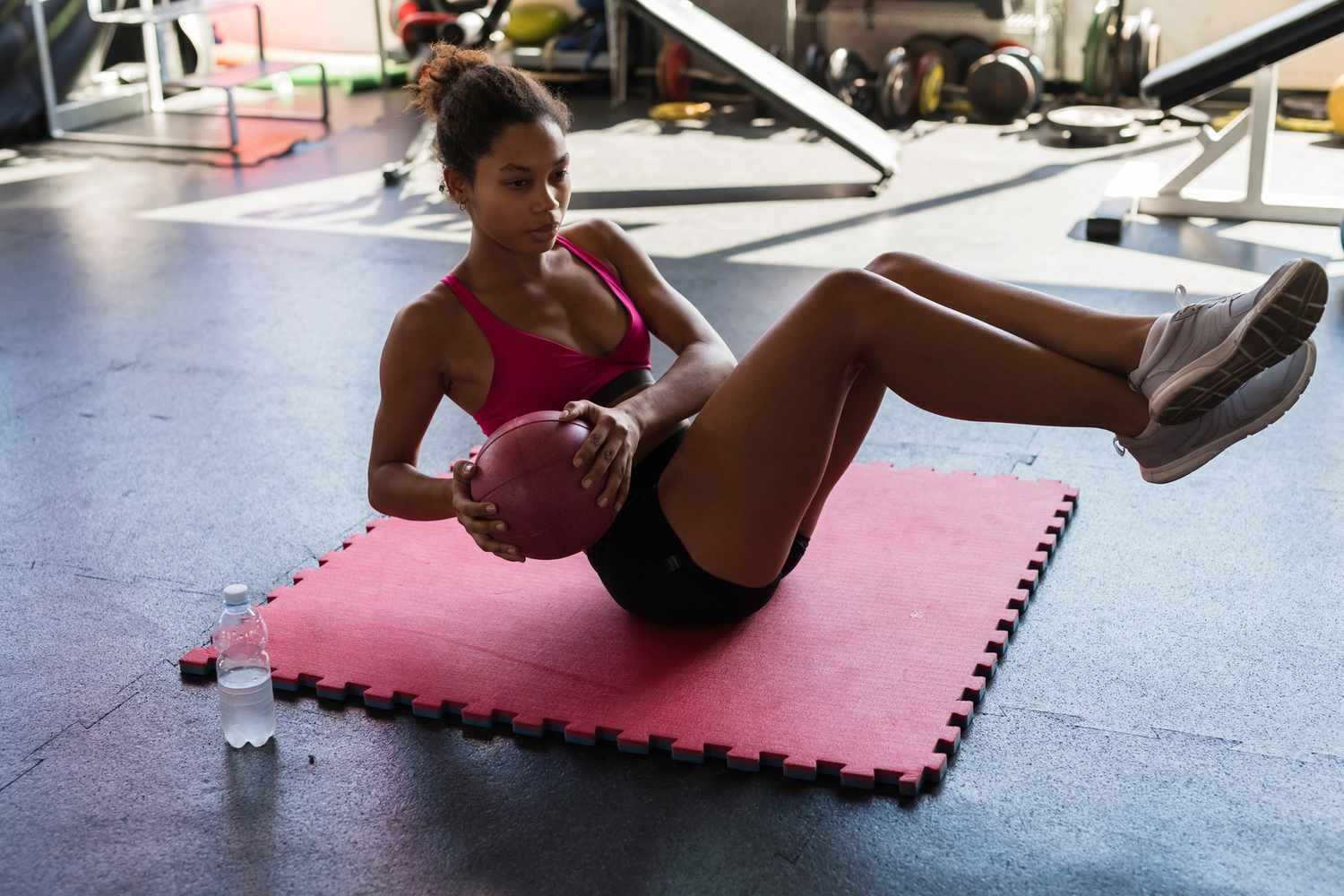
Yes, working out immediately after eating can sometimes cause diarrhea. Engaging in physical activity right after consuming a meal might upset your digestive system, leading to discomfort or diarrhea in some people.
Exercising right after eating can trigger digestive issues, including diarrhea, especially if you’ve had a heavy or fatty meal. The timing between eating and working out is important because intense activity can divert blood flow away from your stomach, disrupting digestion. For some, this can result in stomach upset or more serious issues like diarrhea. Understanding your body’s signals and choosing the right time to exercise after eating can help prevent these uncomfortable symptoms.
Jumping into exercise immediately after a big meal might seem convenient, but it can cause digestive trouble, including diarrhea, for many individuals. When you eat, your body directs blood flow to your stomach to aid digestion. If you start vigorous activity too soon afterward, this process can be disrupted, leading to gastrointestinal issues such as cramping, nausea, or diarrhea. Factors like the size and content of your meal, your personal sensitivity, and the type of exercise you do all influence how your stomach reacts. To stay comfortable and healthy, it’s generally best to wait at least 30 minutes to a couple of hours after eating before working out, especially if you’ve had a large or greasy meal. Listening to your body and choosing the right timing can help you enjoy your workouts without digestive setbacks.

Can Working Out After Eating Cause Diarrhea?
Understanding the Connection Between Exercise and Digestion
Many people wonder if exercising right after a meal can lead to digestive issues, including diarrhea. The relationship between physical activity and digestion is complex and influenced by various factors. When you work out after eating, your body has to decide whether to focus on digesting your food or supporting your muscles during exercise.
The timing of your workout in relation to your meal can significantly affect how your digestive system responds. Exercising immediately after a large or heavy meal often increases the likelihood of experiencing discomfort, including diarrhea. This is because your body is being asked to perform two demanding tasks at once: digesting food and fueling physical activity.
Why Does Exercising After Eating Sometimes Cause Diarrhea?
When you work out soon after eating, several physiological processes can lead to diarrhea. In essence, the movement of your muscles and the increased blood flow to your muscles can interfere with normal digestion. This may result in food moving too quickly through your intestines, causing loose stools or diarrhea.
Additionally, vigorous activity can lead to heightened intestinal motility, which means your intestines work faster than usual. If your digestive system is already processing a large meal, this accelerated movement can make digestion less efficient and cause symptoms like diarrhea.
The Impact of Meal Size and Content on Post-Workout Diarrhea
The type of food you eat before exercising also plays a role in whether you’ll experience digestive issues afterward. Large meals rich in fats, fiber, or spicy ingredients are more difficult to digest and can increase the risk of diarrhea if you exercise too soon afterward.
Foods high in fat slow down stomach emptying, which means your food remains in your stomach longer and can cause discomfort during exercise. Conversely, simple carbohydrates like fruits, white bread, or yogurt are easier to digest and less likely to cause issues when eaten prior to physical activity.
How Timing Affects the Risk of Diarrhea
Timing is key in preventing post-meal diarrhea related to exercise. Experts generally recommend waiting at least 30 minutes to two hours after a small meal before working out. Larger meals might require a longer waiting period, typically three to four hours, to allow proper digestion.
Performing light activities such as walking after eating can aid digestion and reduce the risk of discomfort. However, engaging in high-intensity or vigorous workouts too soon after eating increases the chance of gastrointestinal problems, including diarrhea.
Signs That You Should Adjust Your Workout or Eating Habits
If you notice frequent diarrhea after exercising, consider these signs as cues to tweak your habits:
- Persistent stomach cramps or discomfort during or after workouts
- Frequent urgency to use the bathroom during or immediately after exercise
- Unexplained weight loss or dehydration due to diarrhea
- Feeling overly full or bloated when starting to exercise after meals
Adjusting your routine can help prevent these issues and promote better digestion.
Tips for Preventing Diarrhea When Exercising After Eating
Here are effective strategies to minimize the risk:
- Eat smaller, balanced meals with easily digestible foods.
- Allow enough time between eating and working out, based on meal size.
- Choose light, low-fat snacks if you need energy before exercising.
- Stay hydrated but avoid drinking excessive fluids immediately before intense activity.
- Warm up gently with low-intensity movements to prepare your body for exercise.
Understanding Digestive Disorders That Might Contribute
Sometimes, underlying conditions can make diarrhea more likely after working out, especially if you eat around the same time. Conditions such as irritable bowel syndrome (IBS), food intolerances, or infections can exacerbate gastrointestinal responses during exercise.
If you regularly experience diarrhea after working out despite making adjustments, consult a healthcare professional. Proper diagnosis can help manage symptoms and improve your overall comfort during exercise.
The Role of Hydration and Electrolytes
Proper hydration plays a critical role in digestion and preventing diarrhea. Drinking too much water during or immediately after meals can sometimes lead to loose stools, especially if combined with vigorous activity.
Electrolyte balance is equally important as it helps maintain proper muscle function and hydration. Using electrolyte drinks during intense workouts can support digestion and reduce gastrointestinal upset.
Related Topics to Explore
To fully understand how exercise affects digestion, consider exploring related topics such as:
- Best foods to eat before and after workouts
- How to manage IBS symptoms during exercise
- The effects of dehydration on digestion and performance
- Exercise routines suitable for sensitive stomachs
- Tips for improving gut health through diet and activity
Summary of Key Points
To sum up, exercising too soon after eating—especially heavy, fatty, or spicy meals—can cause diarrhea due to increased intestinal motility, rapid food transit, and physiological stress on the digestive system. The timing, meal content, and intensity of your workout all influence your digestive health. By choosing light meals, allowing sufficient digestion time, and listening to your body’s signals, you can enjoy physical activity without gastrointestinal issues.
Maintaining a balanced diet aligned with your workout schedule, staying properly hydrated, and gradually increasing exercise intensity can all help prevent post-meal diarrhea. Understanding your body’s responses and making small adjustments will support both your fitness goals and digestive comfort.
Is what you’re eating #bloating you? 🤔 #shorts #fitness #nutrition #health #fitgirl #blogilates
Frequently Asked Questions
Can physical activity after eating lead to gastrointestinal discomfort?
Yes, engaging in physical activity immediately after eating can cause gastrointestinal discomfort for some people. Exercise increases blood flow to muscles and reduces blood flow to the digestive system, which may hinder digestion. This can result in symptoms like cramping, nausea, or diarrhea. To prevent this, it’s best to wait at least 30 minutes to an hour after a meal before working out.
Why does exercise after eating sometimes trigger diarrhea?
Exercise following a meal can stimulate intestinal movement, which may accelerate digestion and lead to diarrhea in sensitive individuals. Additionally, certain foods consumed before exercise—such as greasy or spicy foods—can irritate the digestive tract, increasing the chance of diarrhea when combined with physical activity. Listening to your body’s signals and choosing lighter meals can help mitigate this risk.
Are there specific types of workouts that are more likely to cause digestive issues after eating?
High-impact activities like running, jumping, or intense cardio tend to increase the likelihood of digestive problems if performed soon after eating. These movements shake the gastrointestinal tract and can lead to discomfort or diarrhea. On the other hand, low-impact exercises like walking or gentle stretching are less likely to cause such issues and are better options shortly after meals.
How can I prevent diarrhea when exercising after eating?
To reduce the risk of diarrhea, wait at least 30 to 60 minutes after eating before starting your workout. Choose easily digestible foods and avoid heavy or greasy meals before exercise. Incorporate lighter activities and stay hydrated, but steer clear of excessive caffeine or spicy foods that can irritate your digestive system. Paying attention to your body’s responses helps you identify what works best for you.
Is it better to exercise on an empty stomach or after eating?
It depends on your individual comfort and fitness goals. Some people prefer exercising on an empty stomach, which may reduce the chance of gastrointestinal issues but could lead to low energy levels for intense workouts. Others find that eating a small, balanced meal before exercise provides enough energy while minimizing digestive discomfort. Experimenting with timing and meal composition helps determine what suits your body best.
Final Thoughts
Working out after eating can sometimes lead to digestive issues such as diarrhea. This happens because physical activity increases blood flow to muscles, which can reduce blood flow to the digestive system, causing discomfort.
Additionally, intense exercise soon after a large meal can upset your stomach and speed up bowel movements. It’s best to wait a little while after eating before exercising.
In conclusion, can working out after eating cause diarrhea? Yes, it can, especially if you eat a heavy meal or exercise vigorously too soon afterward. Listening to your body and timing your meals properly can prevent this issue.
As an Amazon Associate, We earn from qualifying purchases. When you purchase a product through Amazon links on pulsefitguide.com, we may earn a small commission at no extra cost to you. This helps support the site and keep our content free.
