


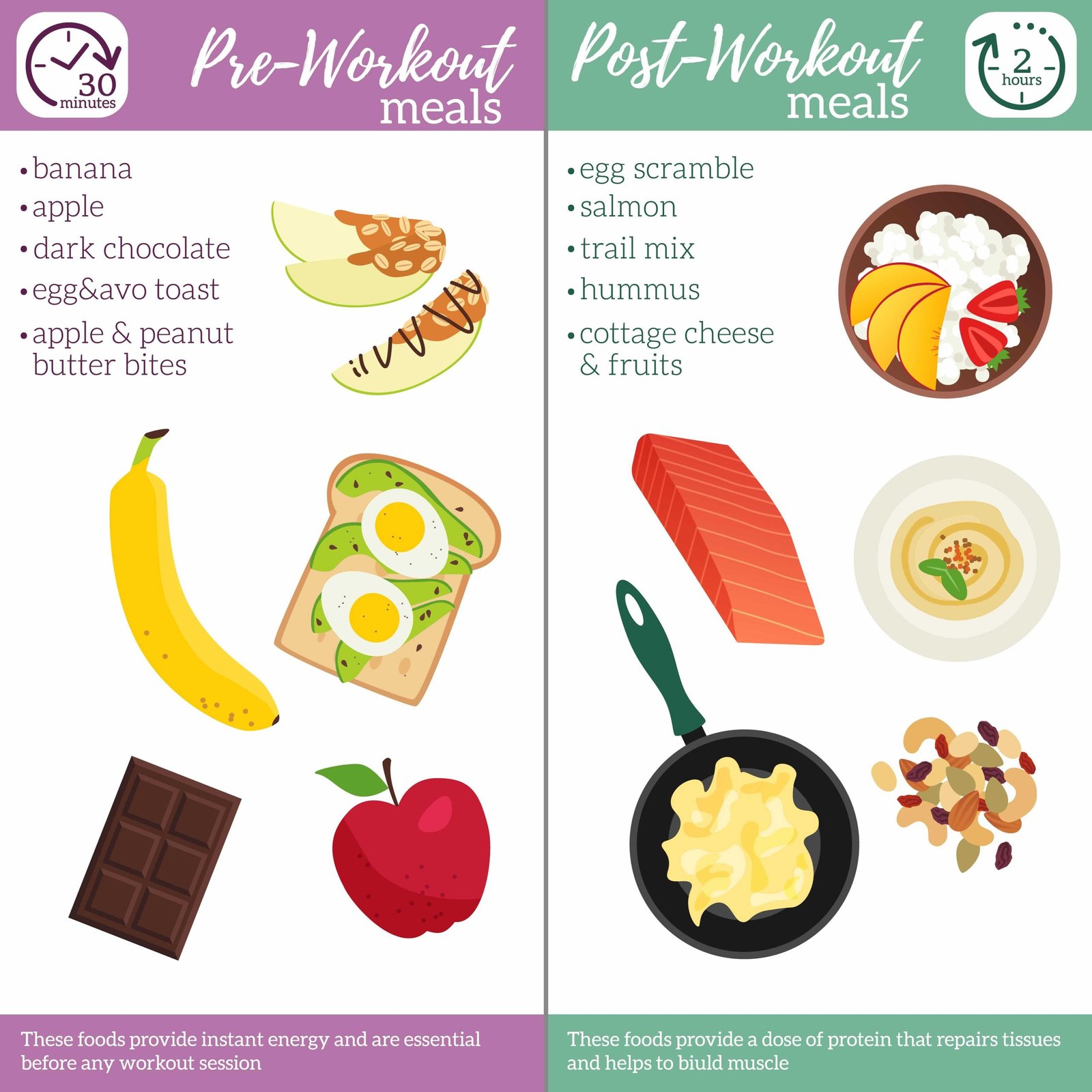
Yes, you can work out after eating, but timing and what you eat matter. The key is to listen to your body and choose the right time and type of exercise to avoid discomfort. Generally, waiting 30 minutes to an hour after a light meal is advisable, while more intense workouts may require a longer digestion period.
If you’re wondering whether it’s okay to hit the gym right after a meal, the answer isn’t one-size-fits-all. It depends on what you’ve eaten and how your body responds to exercise. Working out too soon after a big or heavy meal can lead to discomfort, nausea, or cramping, but a quick, gentle workout might be fine when you’re slightly hungry instead. Finding the right balance between fueling your body and not overloading your stomach is key to maintaining your fitness routine without sacrificing comfort.

Are You Supposed to Workout After Eating? A Detailed Look at Exercise and Meal Timing
Understanding the Basics of Workout and Eating
Eating before exercising provides your body with the energy needed to perform well. Without proper fuel, you might feel weak or fatigued during your workout. Conversely, exercising immediately after eating can cause discomfort or digestive issues. Finding the right balance is key to making your workouts effective and comfortable.
What Happens When You Exercise After Eating?
When you work out after eating, your body needs to divide energy between digestion and physical activity. This can sometimes lead to feelings of bloating, nausea, or cramping. The severity depends on the size and content of your meal and the intensity of your workout. Typically, light exercise might be fine, but intense workouts are often better scheduled after some digestion time.
How Long Should You Wait After Eating?
The ideal waiting time varies based on the meal size and type. As a general rule:
- Small snacks or light meals: Wait about 30 minutes to 1 hour.
- Moderate-sized meals: Wait 1 to 2 hours.
- Large or high-fat meals: Wait at least 2 to 3 hours.
This waiting period helps your body digest food properly and reduces discomfort during exercise.
Types of Meals and Their Impact on Workout Timing
Not all foods are created equal when it comes to physical activity. Foods that are high in carbohydrates and low in fat and fiber are easier to digest and can be eaten closer to workout times. Examples include:
- Bananas
- Yogurt
- Toast with honey
- Oatmeal
Meals high in fats or proteins, such as fried foods or large steaks, take longer to digest and should be eaten well before exercising.
Best Practices for Pre-Workout Nutrition
To optimize your workout, focus on eating easily digestible foods. Ideally, include a balance of carbohydrates and a small amount of protein. Stay hydrated by drinking water before and during your exercise. Avoid sugary drinks or heavy meals, which can cause sluggishness or digestive issues.
Benefits of Waiting Before Exercising
Waiting after eating can lead to better performance and less discomfort. It allows food to be digested, providing your muscles with a steady energy source. Additionally, delaying exercise can help prevent nausea, cramping, and indigestion during your workout.
Are There Exceptions to the Rules?
Some people may find they can exercise sooner after eating, especially if they have a fast metabolism or are used to light meals. Athletes often train with small snacks just before activity to boost energy. Listen to your body and adjust timing based on personal experience.
Risks of Exercising Right After Eating
Exercising immediately after a large meal can cause:
- Stomach cramps
- Nausea or vomiting
- Feeling overly full or sluggish
- Reduced blood flow to muscles, impairing performance
These issues can make your workout less effective and uncomfortable.
How to Choose the Right Meal for Post-Workout Recovery
After exercising, your body needs nutrients to recover. A good post-workout meal includes:
- High-quality protein to repair muscles
- Carbohydrates to replenish glycogen stores
- Healthy fats for overall health
Examples include a smoothie with fruit and yogurt, grilled chicken with vegetables, or a turkey sandwich. Hydration is equally important—drink plenty of water.
Related Topics: Exercise and Digestion
Understanding how digestion works can help you plan your workouts better. Light physical activity can sometimes aid digestion, while vigorous exercise might hinder it. Paying attention to your body’s signals ensures you choose the best timing for your meals and workouts.
Summary: Finding Your Balance
Ultimately, whether you should work out after eating depends on your body, the meal size, and the workout intensity. Listen to your body’s responses and adjust your timing accordingly. Small, easily digestible snacks may be fine before exercise, but large meals are best enjoyed well before your workout session. Proper planning helps prevent discomfort and boosts your exercise results.
This comprehensive approach ensures you get the most out of your workouts while staying comfortable and energized. Understanding the relationship between food and exercise enables you to develop a routine that supports your health and fitness goals while minimizing digestive issues.
Can You Workout Immediately After Eating? | Nutrition Expert Advice
Frequently Asked Questions
How long should I wait after eating before exercising?
It is generally recommended to wait about 30 minutes to 2 hours after a small meal or snack before working out. If you consume a larger meal, waiting closer to 2 hours can help prevent discomfort such as cramping or nausea. The exact time depends on how heavy your meal was and your individual digestion speed.
What are the risks of exercising immediately after a meal?
Exercising right after eating can lead to issues like indigestion, stomach cramps, and nausea. These problems occur because blood flow is directed toward digestion instead of your muscles. Engaging in physical activity too soon may also impair your performance and make you feel sluggish.
Are there specific types of workouts I should avoid right after eating?
It’s best to avoid high-impact or intense workouts immediately after eating, such as running or heavy weightlifting. These activities can cause discomfort due to increased pressure on your stomach. Instead, opt for gentler exercises like walking, stretching, or light yoga until enough time has passed for digestion.
Can eating certain foods affect how soon I can exercise?
Yes, foods high in fat or fiber tend to slow digestion, so waiting longer before exercising is advisable. On the other hand, light, easily digestible snacks like bananas or yogurt allow you to work out sooner, typically within 30 minutes after eating.
How can I prevent discomfort when working out after a meal?
To avoid discomfort, choose smaller, balanced meals and wait the appropriate amount of time before exercising. Stay hydrated and listen to your body; if you feel full or bloated, give yourself more time. Starting with gentle activities can also help your body adjust smoothly to post-meal workouts.
Final Thoughts
In conclusion, whether you should work out after eating depends on your comfort and digestion. Light activities, like walking, are usually fine post-meal. Intense exercise might cause discomfort or nausea if done immediately after eating.
Knowing your body’s signals helps you decide the best timing for workouts. If you experience discomfort, wait a little before exercising.
Are you supposed to workout after eating? It’s best to listen to your body and choose lighter activities if needed, ensuring your workout feels good and safe.
As an Amazon Associate, We earn from qualifying purchases. When you purchase a product through Amazon links on pulsefitguide.com, we may earn a small commission at no extra cost to you. This helps support the site and keep our content free.
