


Yes, you can exercise after eating, but timing and intensity matter. Light activity soon after a meal can aid digestion, while vigorous exercise might cause discomfort if done too soon. It’s best to wait about 30 minutes to an hour after a meal before engaging in intense workouts.
When it comes to exercising after eating, many wonder if it’s a good idea or if it’ll cause digestion issues. The truth is, it depends on what and how much you’ve eaten, as well as the type of exercise you plan to do. Some light activity can actually help your digestion and boost your energy, but jumping into intense workouts right after a big meal can lead to nausea or cramps. So, understanding the right timing and intensity can help you stay comfortable and maximize your workout benefits without feeling sluggish or uncomfortable.

Are You Supposed to Exercise After Eating?
Understanding the Relationship Between Eating and Exercise
When you finish a meal, your body begins digesting food, which requires blood flow to your stomach and intestines. This process can affect how comfortable you feel when you exercise afterward. Many people wonder if it’s better to wait before working out or if exercising soon after eating is okay.
Eating and exercising each impact your body in different ways. Food gives you energy and nutrients, while exercise helps burn calories and build strength. Knowing how these two activities interact can help you choose the best timing for your workouts.
What Happens When You Exercise After Eating?
Exercising right after eating can lead to some common issues. You might experience stomach discomfort, cramping, or nausea. These symptoms happen because your body is trying to digest food while also supplying muscles with blood for activity.
The type of food you eat also influences how your body reacts. Heavy, greasy, or large meals are more likely to cause discomfort if you exercise too soon. On the other hand, light snacks may be easier to handle and won’t interfere as much with your workout.
How Long Should You Wait Before Exercising?
Experts generally recommend waiting between 30 minutes to 2 hours after eating before engaging in vigorous exercise. The exact wait time depends on what you ate and how intense your workout will be.
For small snacks or light meals, waiting about 30 minutes might be enough. If you’ve eaten a large, heavy meal, it’s better to wait around 2 hours to allow proper digestion. Listening to your body is essential; if you feel full or uncomfortable, give yourself more time.
Factors That Influence When to Exercise After Eating
Several factors affect how soon you can work out after a meal. These include:
- Meal size: Larger meals take longer to digest.
- Meal content: Foods high in fat or protein slow digestion.
- Type of exercise: Low-intensity activities can be done sooner.
- Individual digestion rate: Everyone digests food differently.
Knowing these factors helps you plan your workouts better, ensuring both comfort and safety.
Types of Exercise and Their Impact Post-Meal
Different exercises affect your body in various ways after eating. Understanding which activities are suitable can help prevent discomfort.
Low-Intensity Activities
Walking, stretching, or light yoga are generally safe shortly after eating. These activities promote digestion and do not put excessive strain on your body.
Moderate to High-Intensity Workouts
Running, cycling, weightlifting, or high-impact aerobics are best scheduled after your food has digested. Engaging in such exercises too soon can lead to stomach upset and decreased performance.
Signs You’re Not Ready to Exercise
Pay attention to your body’s signals. Common signs that you should wait before exercising include:
- Feeling overly full or bloated
- Nausea or stomach cramps
- Experiencing heartburn or acid reflux
- Feeling sluggish or tired
If you notice any of these signs, give your body more time to digest before starting your workout.
Benefits of Exercising After a Light Snack
Exercising after a small, healthy snack can boost your energy levels without causing discomfort. It can also help stabilize blood sugar and improve mood.
Some ideal snack options include:
- Bananas or apple slices with a bit of peanut butter
- Yogurt with berries
- A small handful of nuts and dried fruit
- Whole-grain toast with honey
These snacks provide carbohydrates and a little protein, fueling your activity without overwhelming your digestive system.
Strategies for Exercising Safely After Eating
To optimize your workout experience, follow these tips:
- Choose light, familiar foods before exercise.
- Allow enough time for digestion based on meal size.
- Start with low-intensity activities if you recently ate.
- Stay hydrated to help digestion and performance.
- Listen to your body and don’t push through discomfort.
Incorporating these strategies helps you enjoy your workouts while minimizing digestive issues.
Special Considerations for Athletes and Fitness Enthusiasts
Athletes, especially those training intensely, may need to adapt their eating and workout schedules. Consuming easily digestible carbs before exercise can improve performance and stamina.
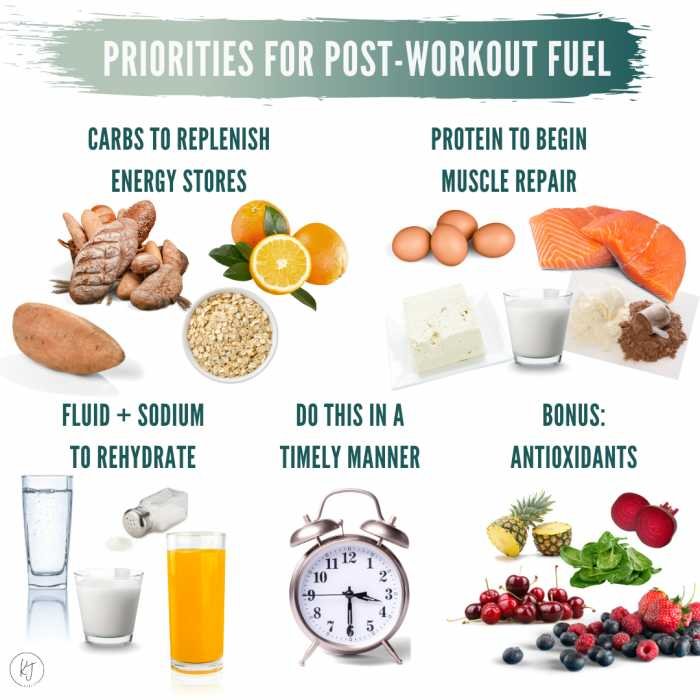
Post-workout nutrition is also crucial for recovery. Combining protein and carbohydrates after exercising supports muscle repair and replenishes energy stores.
Myth Busting: Common Misconceptions About Exercising After Eating
Many believe exercising immediately after a large meal is harmful or ineffective. In reality, moderate activity is fine for most people if they feel comfortable.
Another misconception is that you should never exercise after eating. Research shows that light activities can promote digestion and are safe when timed correctly.
Deciding whether to exercise after eating depends on the meal you’ve had and your activity level. Light activities can usually be done soon after a small snack, while more intense workouts benefit from a longer wait. Paying attention to your body’s signals and choosing appropriate exercises ensures you stay comfortable and safe. With proper timing and sensible choices, you can enjoy exercising without disrupting your digestion or causing discomfort.
Can You Workout Immediately After Eating? | Nutrition Expert Advice
Frequently Asked Questions
What are the benefits of waiting before exercising after a meal?
After eating, your body directs blood flow toward digestion, which can make workout performance less effective. Waiting allows digestion to progress, reducing discomfort and potential stomach issues during exercise. Additionally, a brief pause helps you feel more comfortable and energized when you start your workout.
How long should I wait after eating before exercising?
It generally depends on the size of your meal. For a small snack, waiting about 30 minutes is sufficient. If you’ve had a larger meal, such as a full lunch or dinner, waiting 1 to 2 hours gives your body time to digest. Listening to your body’s signals can help determine the right timing for you.
Are there certain types of exercises I should avoid immediately after eating?
High-intensity activities like running, jumping, or heavy lifting may lead to discomfort if performed right after a large meal. These exercises increase intra-abdominal pressure and can cause nausea or stomach cramps. Instead, opt for light activities such as walking or gentle stretching until digestion progresses.
Is it better to exercise on an empty stomach or after eating?
Exercising on an empty stomach can sometimes lead to low energy levels, especially for longer or intense sessions. Eating a small, balanced snack before exercise can boost your energy and improve performance. However, avoid heavy meals immediately before working out to prevent discomfort.
How can I prevent stomach upset when exercising after eating?
Choose easily digestible foods and avoid greasy or spicy meals before exercise. Wait at least 30 minutes to an hour after eating, especially if you consumed a larger meal. Starting with light activities like walking can also help your body settle and reduce discomfort during subsequent workouts.
Final Thoughts
In conclusion, are you supposed to exercise after eating? It depends on the intensity of your workout and your body’s response. Light activities like walking can aid digestion without causing discomfort. However, strenuous exercise immediately after a large meal may lead to stomach upset or cramps. Listening to your body and timing your workouts appropriately helps ensure comfort and safety.
As an Amazon Associate, We earn from qualifying purchases. When you purchase a product through Amazon links on pulsefitguide.com, we may earn a small commission at no extra cost to you. This helps support the site and keep our content free.
