


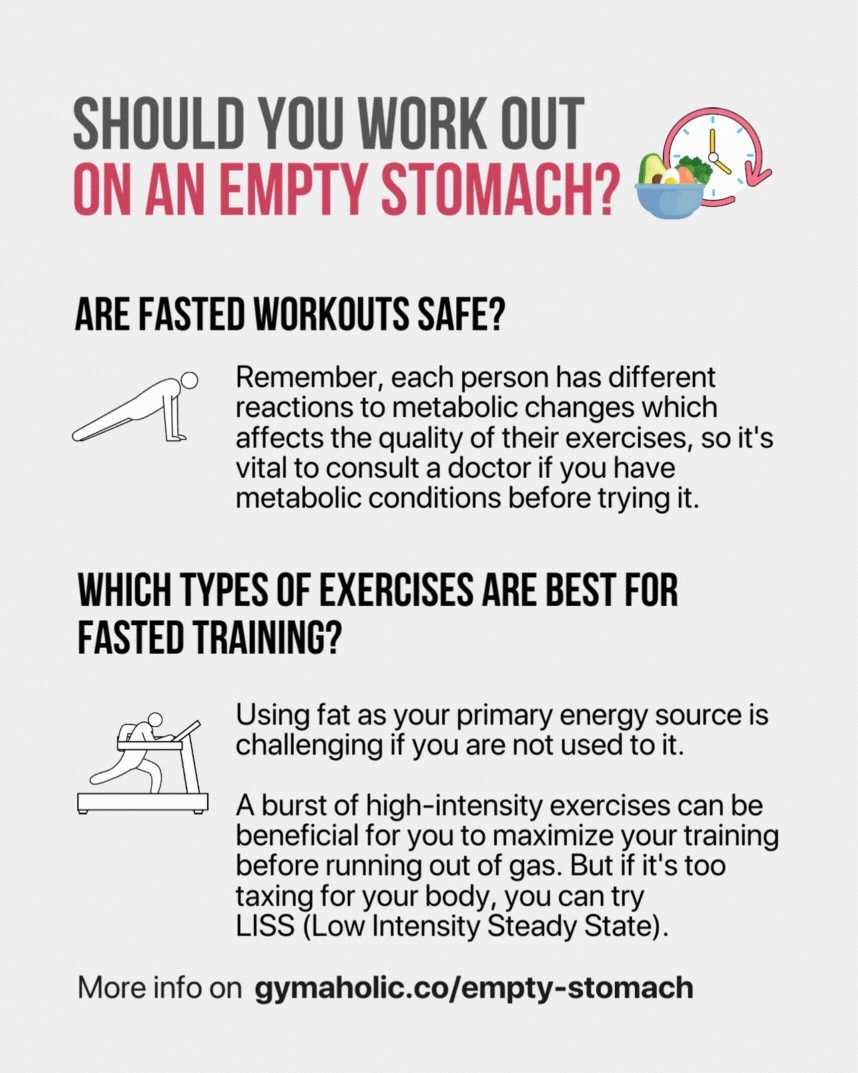
Yes, you can work out on an empty stomach, but it depends on your body and fitness goals. For some, exercising before eating can boost fat burning, while others might experience fatigue or dizziness. It’s important to listen to your body and choose what feels best for you.
Exercising on an empty stomach can be beneficial for those aiming to burn fat more efficiently, but it might not be suitable for everyone, especially during high-intensity workouts. The key is understanding your own body’s response and adjusting your routine accordingly.
Jumping into a workout without eating might sound appealing for weight loss or convenience, but it’s essential to consider how it impacts your performance and energy. Some people find they perform just fine fasted, while others feel drained or dizzy. Whether to exercise on an empty stomach depends on individual factors like fitness level, workout intensity, and personal preferences. Knowing your body’s signals helps you decide if it’s the right choice for you.

Can I workout on an empty stomach?
Understanding What It Means to Workout on an Empty Stomach
Exercising on an empty stomach, often called fasted workouts, happens when you exercise before eating anything. Many people do this early in the morning before breakfast. The idea is that your body uses stored fat for energy instead of recent food.
Some believe fasted workouts can help burn more fat, but others worry it might cause fatigue or dizziness. Knowing the facts can help you decide if this practice is right for you. It’s important to remember that everyone’s body reacts differently to exercising without food.
How Your Body Uses Energy During Exercise
Your body gets energy from two main sources: carbohydrates and fats. When you eat, your body digests food and turns it into glucose, which fuels your muscles. During exercise, your body uses this glucose first because it’s quick energy.
If you haven’t eaten, your body turns to stored fat and glycogen, which is the stored version of glucose in your muscles and liver. The balance between these sources depends on how hard and long you work out. Light exercise usually burns more fat, while intense workouts rely more on carbs.
Benefits of Exercising on an Empty Stomach
Some people find that working out before breakfast helps them burn more fat. This is because with low insulin levels, your body may burn more fat for energy. Fasted workouts can also increase growth hormone levels, which can help with fat loss.
Additionally, doing exercise on an empty stomach might make you feel lighter and less sluggish. Some athletes report better mental clarity and focus during morning workouts without a heavy meal in their stomach. It can also save time in busy mornings when you don’t want to sit down for a full meal.
Potential Drawbacks of Exercising Without Eating
While there are benefits, fasted workouts are not right for everyone. Some people may feel weak, dizzy, or nauseous if they exercise without eating first. This is especially true for high-intensity or long-duration workouts.
Skipping meals before a workout can also cause muscle breakdown if the body runs out of glycogen. People with certain health conditions such as diabetes or low blood sugar should be cautious and consult a doctor before trying fasted exercises.
What Types of Exercise Are Suitable for Fasted Workouts?
Light to moderate exercises are usually safe to perform on an empty stomach. These include activities like walking, light jogging, yoga, or stretching routines. These workouts typically last less than an hour and don’t require intense effort.
More intense workouts like heavy weightlifting, interval training, or long-distance running may require proper fuel. Doing these on an empty stomach can lead to reduced performance and increased risk of injury or fatigue. It’s important to listen to your body and adjust based on how you feel.
Timing and Duration of Fasted Workouts
Fasted workouts are often done in the morning after waking up. They can last from 20 minutes to an hour, depending on your fitness level. Shorter sessions are less likely to cause energy shortages or discomfort.
If you want to try longer workouts fasted, consider gradually increasing the duration and see how your body responds. Make sure to hydrate well before, during, and after exercising. Proper timing helps maximize benefits while reducing risks.
What to Eat After a Fasted Workout
Eating after exercise is crucial, especially if your workout was intense or long. Focus on a balanced meal that contains protein to rebuild muscles, carbohydrates to replenish glycogen, and healthy fats.
Some good post-workout foods include eggs with toast, Greek yogurt with fruit, or a protein shake with nuts. Staying hydrated with water or sports drinks helps replace lost fluids and electrolytes. Proper nutrition after exercise supports recovery and prepares your body for future workouts.
Tips for Safe Fasted Workouts
Start slowly if you’re new to fasted exercise. Opt for lower-intensity activities to see how your body reacts. Listen to your body closely, and stop if you feel dizzy or excessively tired.
Stay well-hydrated before and during your workout. Consider having a small carbohydrate snack if you feel weak or lightheaded. It’s also wise to consult a healthcare provider if you have health issues or concerns about exercising on an empty stomach.
Related Topics to Explore
- Best pre-workout snacks to boost energy
- Differences between fasted and fed workouts
- How to prevent muscle loss during weight loss
- The science of fat burning during exercise
- Hydration tips for optimal workout performance
Summary
Exercising on an empty stomach can work well for some people, especially during light to moderate activity. It may boost fat burning and save time in busy mornings. However, it is not suitable for everyone, particularly for intense or long workouts.
It’s essential to pay attention to your body’s signals and adjust your routine accordingly. Proper hydration and post-exercise nutrition are key to staying healthy and making the most of your workouts. Experiment carefully to find what best supports your fitness goals.
5 Key Reasons to Workout on an Empty Stomach
Frequently Asked Questions
Is it safe to exercise early in the morning before eating anything?
Exercising on an empty stomach can be safe for some individuals, especially for light to moderate activities like walking or gentle yoga. However, high-intensity or prolonged workouts might cause dizziness or fatigue without proper fuel. Listen to your body and consider how you usually feel during fasting workouts to determine if this approach works for you.
What are the benefits of working out without eating beforehand?
Working out on an empty stomach may help improve fat-burning, as your body can turn to stored fat for energy. Some people also find that it enhances mental clarity and reduces gastrointestinal discomfort during exercise. Nonetheless, these benefits vary depending on individual health and the type of workout performed.
What potential drawbacks should I consider when exercising on an empty stomach?
Exercising without eating can lead to muscle fatigue, decreased performance, and dizziness for some individuals. It may also slow down recovery and increase the risk of injury if energy levels are too low. If you notice these issues, consider having a small snack before working out or adjusting your routine.
How can I determine if I should eat before a workout?
Pay attention to your body’s responses during fasting workouts. If you experience weakness, light-headedness, or decreased stamina, try eating a small, easily digestible snack about 30–60 minutes prior to exercising. Consulting with a healthcare professional can also help you tailor your diet and workout schedule to suit your needs.
Final Thoughts
Working out on an empty stomach can suit some people, but it isn’t ideal for everyone. Your body might not have enough energy to perform at its best, leading to fatigue or dizziness.
If you choose to exercise without eating, start with low-intensity activities and see how your body responds. Hydration is equally important, so drink plenty of water before and after your workout.
In conclusion, can I workout on an empty stomach? It depends on your body and workout goals. Listen to your body and adjust accordingly for safe and effective exercise.
As an Amazon Associate, We earn from qualifying purchases. When you purchase a product through Amazon links on pulsefitguide.com, we may earn a small commission at no extra cost to you. This helps support the site and keep our content free.
