


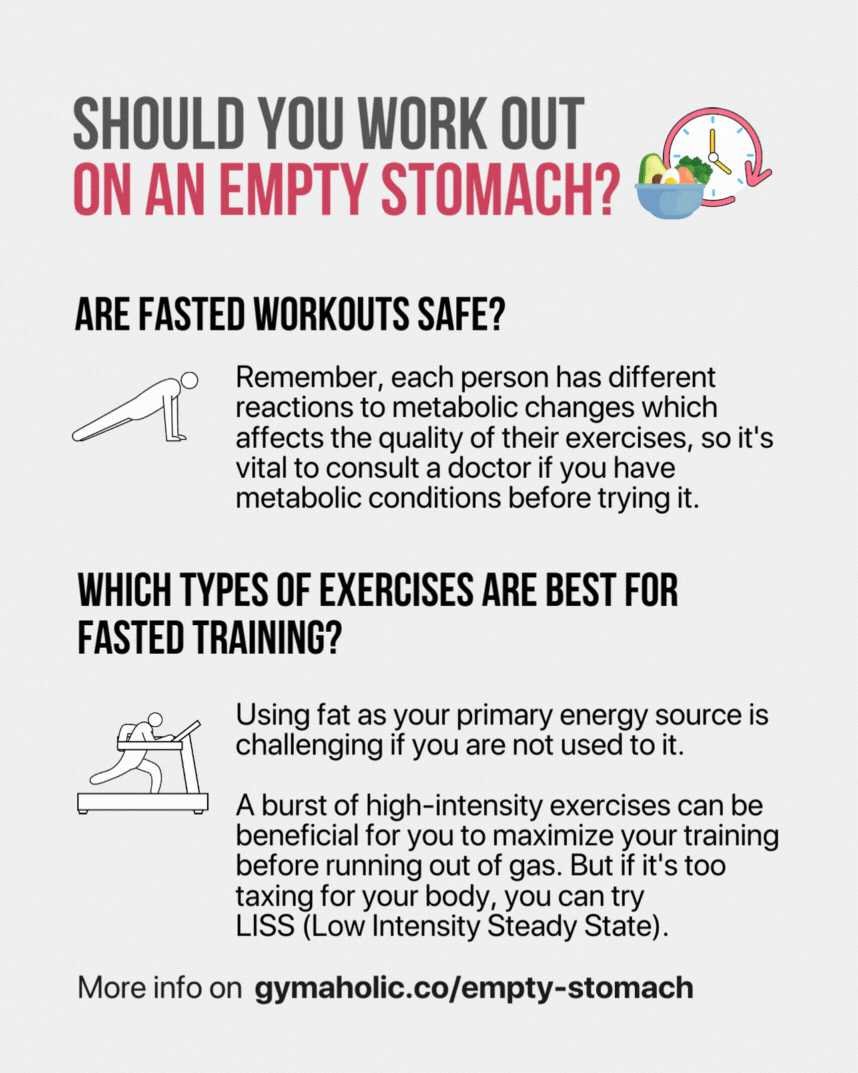
Working out on an empty stomach can be both beneficial and risky, depending on your body and fitness goals. If done right, it might boost fat burning, but it also may leave you feeling lightheaded or tired. So, is it okay? Yes, but with some precautions. For most people, exercising before breakfast is fine if the workout is light or moderate, but intense routines may require some fuel to avoid dizziness or muscle loss. The key is understanding your body and listening to its signals. Whether you choose to train on an empty stomach or not, it’s important to find what works best for you, ensuring your workout is both safe and effective. Learning when and how to exercise without food can help optimize your fitness journey.

Is it OK to workout on an empty stomach?
Understanding the Practice of Exercising Without Eating
Many people wonder if it’s beneficial to exercise before having their breakfast or if it can harm their bodies. Some believe that working out on an empty stomach helps burn more fat, while others worry about feeling dizzy or weak. It is essential to understand what happens inside your body during fasted workouts and how your body responds.
Exercising without eating is called a fasted workout. It typically occurs in the morning after a night of fasting. Some runners, cyclists, and gym enthusiasts prefer this approach to improve their fat-burning capacity. However, this practice may work differently for each person based on age, fitness level, and health conditions.
The Science Behind Exercising on an Empty Stomach
When you work out on an empty stomach, your body relies on stored energy sources. Your body primarily uses fat stores and glycogen from muscles for energy. This process can potentially increase fat burning, but it also depends on the type and intensity of exercise.
Research shows that fasted workouts can lead to higher fat oxidation during low to moderate exercises. Yet, intense workouts might require quick energy from carbohydrates, which are not readily available if you haven’t eaten. Therefore, your body’s response varies based on workout intensity and duration.
Advantages of Working Out on an Empty Stomach
- Increased fat burning: Exercising without food can cause your body to burn more fat because insulin levels are lower, prompting fat breakdown.
- Convenience: Many find it easier to workout early in the morning before breakfast, saving time and making it a consistent habit.
- Potential for improved metabolic flexibility: Your body becomes better at switching between burning carbs and fat for energy.
- Reduced gastrointestinal discomfort: Working out on an empty stomach can prevent issues like cramping or nausea that sometimes come after eating.
Disadvantages and Risks of Exercising on an Empty Stomach
- Lower energy levels: Lack of fuel may cause fatigue, making high-intensity workouts difficult or impossible.
- Decreased performance: Without glycogen, your muscles may not perform at their best, especially during long or intense sessions.
- Muscle loss risk: Prolonged fasting combined with exercise can lead to muscle breakdown for energy.
- Possible dizziness or weakness: Some people feel lightheaded or shaky during fasted workouts, which could be unsafe.
- Not suitable for everyone: Pregnant women, people with blood sugar issues, or those with health conditions should consult healthcare providers before trying fasted workouts.
Types of Exercise Suitable for Fasted Workouts
Certain physical activities are better suited for fasted conditions. Low to moderate intensity workouts tend to be more effective and safer when done on an empty stomach.
Low-Intensity Exercises
- Walking
- Light cycling
- Yoga or stretching routines
Moderate-Intensity Exercises
- Jogging
- Swimming at a relaxed pace
- Resistance training with light weights
High-Intensity and Long-Duration Workouts
High-intensity sessions such as sprinting, heavy weightlifting, or long-distance running may require prior food intake for optimal energy. Exercising intensely without proper fuel might reduce performance and increase injury risk.
What to Consider Before Exercising on an Empty Stomach
Before deciding if fasting is right for you, consider several factors:
Personal Goals
If fat loss is your goal, fasted workouts might offer some advantages. However, if performance or muscle gain matters more, you might need to eat beforehand.
Health Conditions
People with diabetes, blood sugar issues, or other health problems should consult a doctor before trying fasted workouts. Medication timing and blood sugar control are vital.
Type and Duration of Exercise
Long or intense sessions may require pre-workout fuel. Shorter or low-intensity workouts are easier to perform in a fasted state.
Timing of the Workout
Morning workouts often happen in a fasted state since you haven’t eaten overnight. If exercising later in the day, ensure you have eaten enough to sustain your workout.
Tips for a Safe and Effective Fasted Workout
- Stay hydrated: Drinking water before, during, and after exercise prevents dehydration.
- Start slowly: Gradually introduce fasted workouts to see how your body responds.
- Listen to your body: If you feel dizzy, weak, or nauseous, stop exercising and eat something.
- Include small carbs if needed: A tiny snack like a banana or a few crackers can boost energy without breaking fasting goals.
- Balance your diet: Ensure your meals outside workout times include enough nutrients for recovery.
Fasting and Nutritional Strategies
To maximize benefits and minimize risks, combine fasted workouts with proper nutrition. Eating a healthy, balanced meal after exercising helps with muscle repair and energy replenishment.
Pre-Workout Nutrition Tips
- Consume a small carbohydrate-rich snack if needed
- Keep protein intake adequate throughout the day
- Avoid heavy, greasy foods before exercise
Post-Workout Nutrition
Post-exercise, prioritize foods high in protein, healthy fats, and complex carbs to promote recovery. Hydration is equally essential for optimal results.
Alternatives to Fasted Workouts
If exercising on an empty stomach does not feel right, try these options:
- Eat a light snack before exercising: Something like yogurt, a banana, or a small smoothie can provide energy.
- Adjust workout intensity: Keep workouts moderate if you haven’t eaten.
- Schedule workouts after meals: Exercise 30 to 60 minutes after eating for better energy and performance.
Summary of Key Points
| Advantages | Disadvantages |
|---|---|
| Burns more fat, convenient, improves metabolic flexibility | Lower energy, performance dip, risk of dizziness |
Fasted workouts can work for some people aiming for fat loss or convenience, but they might not be suitable for everyone. Listen to your body and adjust based on how you feel during and after exercise.
Exercising without eating has its pros and cons, and the decision depends on your fitness goals, health status, and workout type. For some, fasted workouts can be effective, but safety should always come first. Always consult with a healthcare provider if unsure, and remember to stay hydrated and nourished outside of workout times.
Is it Okay to Workout on an Empty Stomach?
Frequently Asked Questions
What are the potential benefits of working out on an empty stomach?
Working out on an empty stomach can help your body tap into stored fat for energy, which may aid in fat loss over time. Some people also find that exercising before eating helps them feel more energized and focused during their workout. However, these benefits vary depending on individual goals and how the body responds to fasted exercise.
Are there any risks associated with exercising without eating first?
Exercising without eating can sometimes lead to dizziness, weakness, or fatigue, especially during high-intensity or prolonged workouts. It might also cause muscle breakdown if your body doesn’t have enough nutrients to sustain activity. To minimize these risks, pay attention to how your body responds and consider lighter or shorter workouts if you feel unwell.
What types of workouts are better suited for fasted training?
Low to moderate intensity activities like walking, jogging, yoga, or light cycling tend to be more suitable for fasted sessions. These exercises are less demanding on your energy reserves, reducing the likelihood of fatigue or dizziness. For intense or lengthy workouts, eating beforehand may help improve performance and recovery.
How should I nourish my body after working out on an empty stomach?
After exercising on an empty stomach, it’s important to replenish your energy with a balanced meal that includes carbohydrates, protein, and healthy fats. Eating within an hour of your workout helps repair muscles and restore glycogen levels. Staying well-hydrated is also crucial for recovery.
Can people with certain health conditions safely exercise on an empty stomach?
People with conditions such as diabetes or blood sugar concerns should consult their healthcare provider before engaging in fasted workouts. For some individuals with health issues, exercising without eating can cause blood sugar spikes or drops, leading to complications. Personalized advice ensures safety and effectiveness based on individual health status.
Final Thoughts
Exercising on an empty stomach can be suitable for some, but it might not work for everyone. It depends on your body and workout intensity. If you feel dizzy or weak, eating a small snack before exercising could be better.
Ultimately, the decision should suit your personal comfort and goals. Is it OK to workout on an empty stomach? Yes, for some, it can be effective, but listening to your body remains essential.
As an Amazon Associate, We earn from qualifying purchases. When you purchase a product through Amazon links on pulsefitguide.com, we may earn a small commission at no extra cost to you. This helps support the site and keep our content free.
