


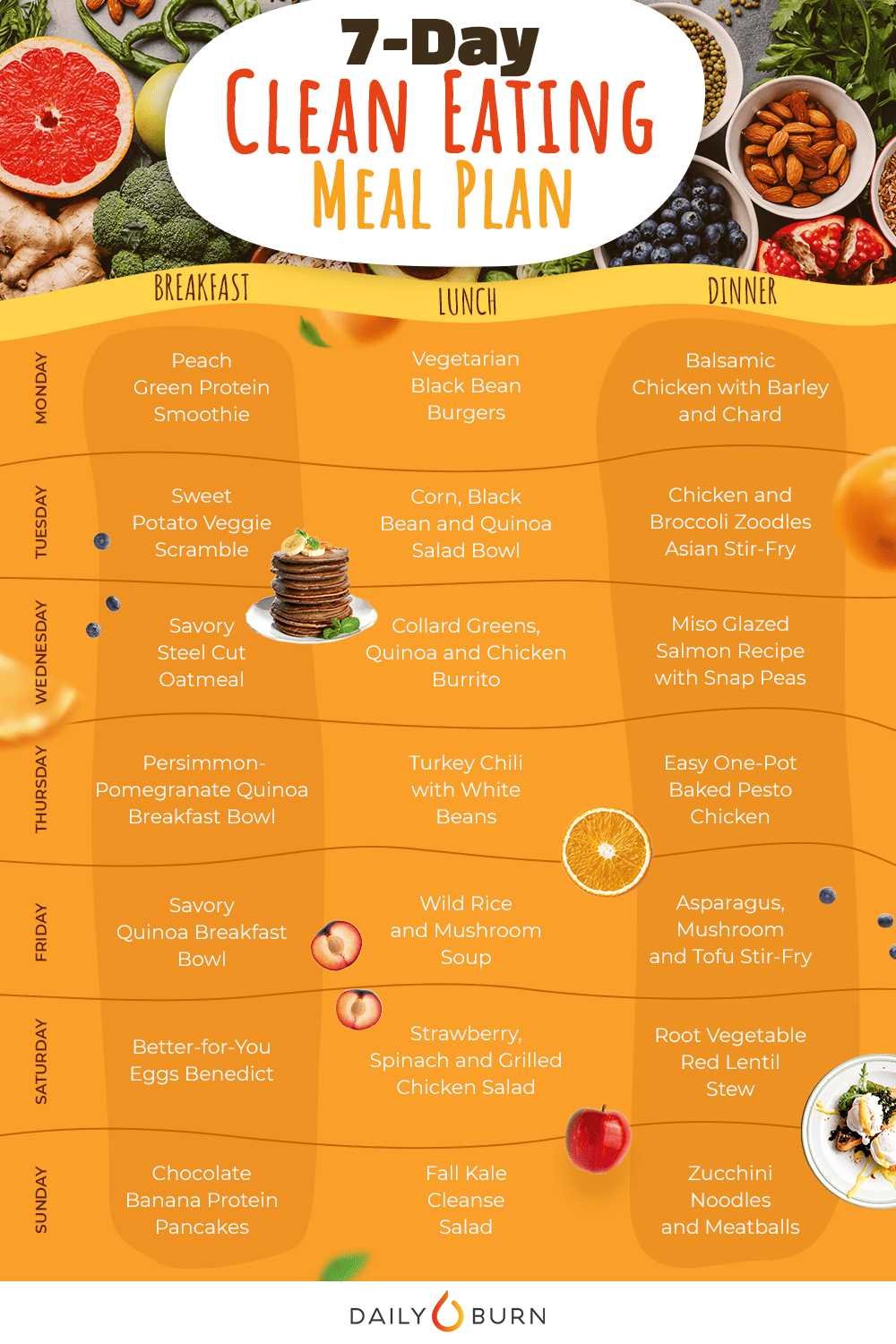
Looking to shed pounds without feeling deprived? The secret lies in choosing nutrient-dense meals that fill you up with fewer calories. A well-crafted nutrient-dense meal plan can accelerate weight loss, boost your energy, and improve overall health by focusing on foods rich in vitamins, minerals, fiber, and lean protein.
In short, a nutrient-dense meal plan for weight loss emphasizes whole, minimally processed foods that provide maximum nutrients for fewer calories. It involves balancing lean proteins, colorful vegetables, healthy fats, and fiber-rich carbs to keep you satisfied and energized while reducing overall calorie intake.
Starting your weight loss journey can feel overwhelming, but it doesn’t have to be. Incorporating nutrient-dense foods into your daily routine ensures you’re nourishing your body while trimming excess weight. These foods not only promote fat loss but also support better digestion, improved immunity, and sustained energy levels. Transitioning to a nutrient-rich meal plan makes the process healthier, more enjoyable, and sustainable in the long run.

Nutrient Dense Meal Plan for Weight Loss
What Is a Nutrient Dense Meal Plan?
A nutrient dense meal plan includes foods rich in essential vitamins, minerals, and other beneficial compounds. It focuses on providing maximum nutrients with fewer calories. This approach helps you stay full longer while supporting overall health and weight management.
Why Choose a Nutrient Dense Meal Plan?
Choosing a nutrient dense meal plan helps prevent nutrient deficiencies and reduces cravings for junk food. It boosts your metabolism and encourages healthy digestion. Plus, eating nutrient rich foods makes weight loss easier and more sustainable.
Core Principles of a Nutrient Dense Meal Plan
- Balance: Combine proteins, healthy fats, and complex carbs in every meal.
- Variety: Include different colors and types of produce for a broader range of nutrients.
- Whole Foods: Prioritize unprocessed foods over packaged items.
- Portion Control: Watch serving sizes to avoid overeating, even of healthy foods.
Building Blocks of a Nutrient Dense Meal Plan
Proteins
Proteins are essential for muscle repair and immune health. Include sources like lean meats, fish, eggs, dairy, legumes, and plant-based options such as tofu or tempeh. Aim for a variety of proteins to ensure intake of all amino acids.
Healthy Fats
Healthy fats support brain health and hormone production. Incorporate foods such as avocados, nuts, seeds, and olive oil. Use these fats as dressings or snacks to add flavor and nutrients.
Complex Carbohydrates
Choose complex carbs like whole grains, sweet potatoes, and legumes for sustained energy. These foods provide fiber that promotes digestion and helps keep blood sugar levels stable.
Fruits and Vegetables
Fruits and vegetables supply vital vitamins, antioxidants, and fiber. Aim for colorful produce to maximize nutrient intake and improve satiety.
Sample Nutrient Dense Meal Plan for a Day
| Meal | Food Choices | Nutritional Focus |
|---|---|---|
| Breakfast | Oatmeal topped with berries, almonds, and a boiled egg | Fiber, antioxidants, protein, healthy fats |
| Snack | Greek yogurt with chia seeds and sliced banana | Probiotics, omega-3s, vitamins |
| Lunch | Grilled chicken salad with spinach, colorful peppers, avocado, and olive oil dressing | Lean protein, healthy fats, fiber, vitamins |
| Snack | Carrot sticks with hummus | Fiber, plant-based protein, healthy fats |
| Dinner | Baked salmon with quinoa and steamed broccoli | Omega-3s, complex carbs, vitamins |
Tips for Implementing a Nutrient Dense Meal Plan
- Plan meals ahead to ensure variety and balance.
- Cook at home as much as possible to control ingredients.
- Incorporate herbs and spices to enhance flavor without extra calories.
- Stay hydrated and limit sugary drinks.
- Use mindful eating practices — chew slowly and savor each bite.
Strategies to Maximize Nutrient Intake
Eat the Rainbow
Include fruits and vegetables of multiple colors to get a broad spectrum of nutrients. Red, yellow, green, purple, and orange foods each provide unique benefits.
Focus on Whole, Unprocessed Foods
Choose foods that are close to their natural state. Processed foods often contain added sugars, sodium, and unhealthy fats that diminish nutrient quality.
Incorporate Fermented Foods
Foods like sauerkraut, kimchi, and kefir support gut health and improve nutrient absorption.
Use Healthy Cooking Methods
Opt for steaming, grilling, baking, and sautéing instead of frying to preserve nutrient content and reduce added fats.
Common Mistakes to Avoid
- Relying on supplements instead of whole foods for nutrients
- Overlooking portion sizes, leading to overeating even healthy foods
- Skipping meals, which can cause overeating later
- Focusing only on calorie reduction without considering nutrient quality
The Role of Hydration and Fiber
Staying hydrated aids in digestion and helps control hunger. Consuming adequate fiber from fruits, vegetables, and whole grains supports regular bowel movements and prolongs satiety.
Additional Tips for Success
- Track your food intake to learn about your eating habits.
- Adjust portions and food choices based on your energy levels and weight loss progress.
- Stay consistent with your meal plan but allow occasional treats to prevent feelings of deprivation.
- Combine your meal plan with regular physical activity for best results.
Related Topics for Further Reading
- Meal prepping for busy schedules
- Healthy snack ideas for weight management
- Plant-based protein sources and their benefits
- Managing cravings with nutrient dense foods
- Balancing macronutrients for optimal health
This comprehensive approach to a nutrient dense meal plan provides the foundation to not only lose weight but also improve your overall health. Prioritize variety, quality, and balance in your food choices to support your weight loss journey effectively.
Frequently Asked Questions
How can I plan meals that are both nutrient-rich and satisfying for weight loss?
To create meals that are nutrient-dense and satisfying, focus on incorporating a variety of whole foods such as vegetables, fruits, lean proteins, whole grains, and healthy fats. Balance these components to ensure you’re getting essential vitamins and minerals while maintaining a calorie deficit. Using herbs and spices can enhance flavor without adding extra calories, making each meal enjoyable and fulfilling.
What are some convenient options for nutrient-dense snacks during a weight loss journey?
Opt for snacks like Greek yogurt with berries, raw nuts, sliced vegetables with hummus, or fresh fruit. These options are portable, rich in nutrients, and help keep hunger at bay between meals. Preparing snacks in advance can make it easier to stick to your plan and avoid reaching for less nutritious options.
How does meal timing affect the effectiveness of a nutrient-focused weight loss plan?
Consistently eating balanced meals at regular intervals helps regulate blood sugar levels and prevents excessive hunger. Timing your meals to align with your daily schedule ensures energy levels remain stable and reduces the temptation to indulge in high-calorie, less nutritious foods. Proper meal timing supports steady weight loss and maintains overall well-being.
What strategies can help me ensure I stay within my calorie limits while eating nutrient-dense foods?
Use portion control and track your meals to stay aware of your calorie intake. Prioritize foods that offer high nutrient density with fewer calories, such as leafy greens, lean proteins, and berries. Planning meals ahead of time helps prevent impulsive choices and maintains a balance between nutrient intake and calorie consumption.
How can I incorporate variety into my nutrient-dense meal plan to prevent boredom?
Include a wide range of colorful vegetables, different types of lean proteins, whole grains, and healthy fats. Experiment with various recipes and cuisines to keep meals interesting. Rotating ingredients and trying new cooking methods also helps maintain enthusiasm and adherence to your meal plan.
Final Thoughts
A nutrient dense meal plan for weight loss provides essential vitamins and minerals while keeping calories in check. Focus on incorporating vegetables, lean proteins, and whole grains to maximize satiety and energy.
Choosing nutrient-rich foods helps prevent cravings and supports overall health. It ensures you receive the nutrients your body needs without excess calories.
By prioritizing quality over quantity, you create sustainable eating habits. This approach promotes gradual weight loss and long-term well-being, making a nutrient dense meal plan for weight loss an effective strategy.
As an Amazon Associate, We earn from qualifying purchases. When you purchase a product through Amazon links on pulsefitguide.com, we may earn a small commission at no extra cost to you. This helps support the site and keep our content free.
