


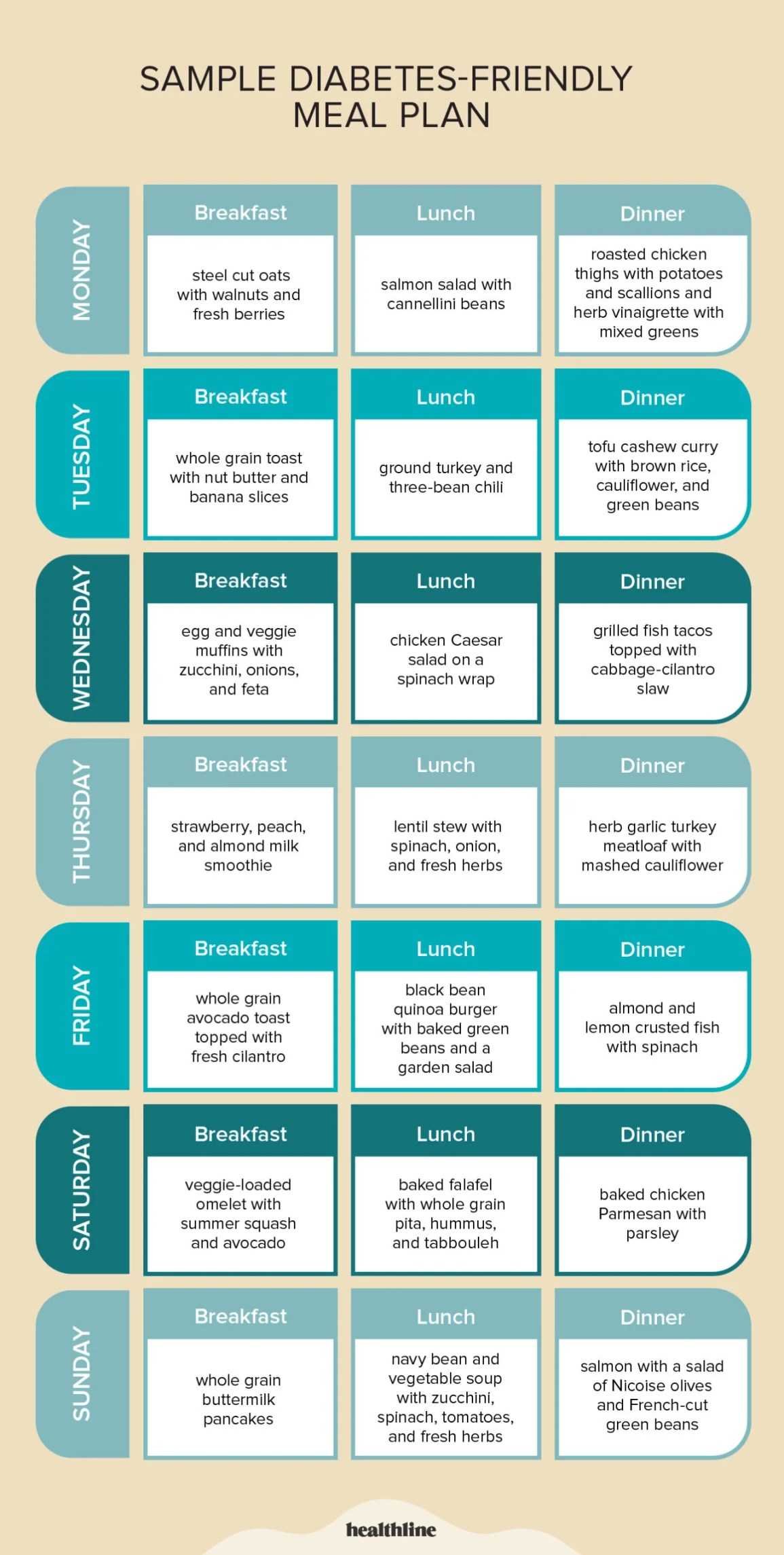
Looking to shed pounds while managing diabetes without breaking the bank? The good news is, there are free diabetic meal plans that support weight loss and blood sugar control. With a little planning, you can enjoy delicious, nutritious meals that help you reach your goals without extra costs. These plans focus on balanced portions, low glycemic foods, and nutrient-rich ingredients, making weight loss achievable and sustainable for diabetics.
A free diabetic meal plan for weight loss offers structured guidance on what to eat, emphasizing foods that stabilize blood sugar and promote fat loss. By following simple, cost-effective recipes and portion sizes, you can improve your health and lose weight without the need for expensive resources or subscriptions. It’s entirely possible to enjoy tasty meals while staying on top of your diabetes management and weight goals.
If you’re looking for a practical, budget-friendly way to lose weight while managing diabetes, a free meal plan tailored for diabetics can be your best friend. It provides clear, easy-to-follow meal ideas that keep your blood sugar in check and support gradual, healthy weight loss. Whether you’re new to meal planning or just want to save money, these plans help you make smarter food choices every day, all while satisfying your taste buds and improving your overall health.

Free Diabetic Meal Plan for Weight Loss: A Complete Guide
Understanding the Importance of a Diabetic Meal Plan
A diabetic meal plan helps control blood sugar levels and promotes weight loss. It ensures you eat balanced portions of healthy foods each day. Proper planning can reduce the risk of complications linked to diabetes.
Key Principles of a Free Diabetic Meal Plan
A successful meal plan focuses on the following:
- Consistent carbohydrate intake to prevent blood sugar spikes
- Healthy fats instead of saturated and trans fats
- High fiber foods to improve digestion and control hunger
- Portion control to avoid overeating
Sticking to these principles supports weight loss and better blood sugar management.
How to Create a Free Diabetic Meal Plan for Weight Loss
Start by understanding your calorie needs based on age, weight, and activity level. Use free online calculators to estimate your daily calorie intake. Then, divide your calories among meals and snacks to maintain steady energy levels.
Step-by-step process:
- Calculate your daily calorie goal
- Plan each meal around lean proteins, healthy fats, and low glycemic index carbs
- Incorporate plenty of vegetables and fruits
- Limit processed foods and sugary drinks
- Adjust portion sizes based on your activity level
Following these steps ensures your meal plan is tailored and sustainable.
Sample Daily Meal Plan for Weight Loss
Here’s a sample plan you can adapt for free:
| Meal | Food Items | Notes |
|---|---|---|
| Breakfast | Oatmeal with berries and a tablespoon of flaxseed | Rich in fiber, helps control blood sugars |
| Mid-Morning Snack | Handful of unsalted almonds | Healthy fats, keeps hunger at bay |
| Lunch | Grilled chicken salad with mixed greens, cherry tomatoes, cucumbers, and olive oil dressing | Low in carbs, high in protein and fiber |
| Afternoon Snack | Carrot sticks with hummus | Calorie-controlled and nutritious |
| Dinner | Baked salmon, steamed broccoli, and quinoa | Good source of omega-3s, fiber, and complex carbs |
Foods to Include in Your Free Diabetic Meal Plan
Focus on nutrient-dense foods that support weight loss and blood sugar control:
- Lean proteins: chicken, turkey, fish, eggs, tofu
- High fiber vegetables: broccoli, spinach, kale, peppers, carrots
- Whole grains: brown rice, oats, barley, quinoa
- Healthy fats: avocado, nuts, seeds, olive oil
- Fruits in moderation: berries, apples, oranges
These foods provide essential nutrients without causing blood sugar spikes.
Foods to Limit or Avoid
Reducing intake of certain foods can improve your weight loss journey:
- Sugary drinks: sodas, sweetened teas, fruit juices
- Refined grains: white bread, white rice, pastries
- Saturated and trans fats: fried foods, processed snacks
- Sweets and desserts: candies, cakes, cookies
- Processed meats: sausages, bacon
Limiting these helps regulate blood sugar and manage weight more effectively.
Tips for Sticking to Your Meal Plan
Stay motivated with these practical tips:
- Meal prep ahead of time to avoid impulsive eating
- Keep healthy snacks handy to bypass temptations
- Track your food intake using free apps or journals
- Stay hydrated with water or herbal teas
- Involve family or friends for support and accountability
Consistency is key to seeing results.
Free Resources to Help You Stay on Track
Utilize free tools and apps designed for diabetic meal planning:
- MyFitnessPal for tracking food and calories
- DiabetesMealPlanner.com offers free meal plans and recipes
- CDC’s Diabetes Management Resources provide educational materials
- Local support groups can offer motivation and advice
These resources can make meal planning easier and more enjoyable.
Additional Tips to Maximize Weight Loss and Blood Sugar Control
Combine healthy eating with physical activity for best results:
- Regular exercise like walking, swimming, or cycling
- Sleep well to regulate hormones affecting appetite and blood sugar
- Manage stress through mindfulness or relaxation techniques
- Monitor blood sugar levels to understand how foods affect you
A balanced approach promotes overall health and sustainable weight loss.
Creating and following a free diabetic meal plan for weight loss involves choosing the right foods, controlling portion sizes, and staying consistent. By focusing on nutrient-dense, low-glycemic foods, you can better manage your blood sugar and shed excess weight. Remember, small changes make a big difference over time. Use the available resources and tips to stay motivated and on track, and consult with your healthcare provider to tailor your plan as needed.
Frequently Asked Questions
What are some essential tips for maintaining a balanced diabetic meal plan aimed at weight loss?
To maintain a balanced diabetic meal plan for weight loss, focus on controlling portion sizes and choosing nutrient-dense foods. Incorporate plenty of vegetables, lean proteins, and whole grains while limiting processed foods and added sugars. Regular meal timing helps manage blood sugar levels and prevents overeating. Staying hydrated and avoiding high-calorie beverages also support your weight loss goals.
How can someone adapt a diabetic meal plan to accommodate their personal taste preferences?
Adjusting a diabetic meal plan to suit individual tastes involves experimenting with herbs, spices, and healthy cooking methods like grilling or steaming. You can swap ingredients to include preferred vegetables or proteins, ensuring they fit within your carbohydrate limits. Small tweaks like using low-sodium seasonings or alternative cooking oils help make the plan more enjoyable without compromising blood sugar control.
What are some practical snack options that align with a diabetic meal plan for weight loss?
Opt for snacks that are low in sugar and high in fiber or protein, such as raw nuts, Greek yogurt, vegetable sticks with hummus, or a small portion of fruit like berries. These choices help stabilize blood sugar levels and keep you feeling full longer. Avoid processed snack foods that contain added sugars or unhealthy fats, which can hinder weight loss efforts.
How important is meal timing in a diabetic plan focused on weight management?
Meal timing plays a crucial role in managing blood sugar levels and supporting weight loss. Eating at regular intervals prevents fluctuations in blood sugar and reduces the likelihood of overeating later. It’s best to eat smaller, balanced meals throughout the day and avoid skipping meals, which can lead to excessive hunger and poor food choices.
What are some common challenges faced when following a diabetic meal plan for weight loss, and how can you overcome them?
Common challenges include managing cravings, staying consistent, and dealing with social situations. To overcome these, prepare healthy snacks in advance, set achievable goals, and communicate your dietary needs when dining out. Keeping a food journal can help you stay accountable and identify areas where you might need adjustments to stay on track.
Final Thoughts
A free diabetic meal plan for weight loss offers a practical way to manage blood sugar and shed extra pounds. It provides balanced nutrition, focusing on portion control and healthy choices. By following such plans, individuals can improve their overall health while losing weight. Taking advantage of free resources helps maintain consistency without added costs. Ultimately, a structured approach like this supports both diabetes management and weight reduction effectively.
As an Amazon Associate, We earn from qualifying purchases. When you purchase a product through Amazon links on pulsefitguide.com, we may earn a small commission at no extra cost to you. This helps support the site and keep our content free.
