


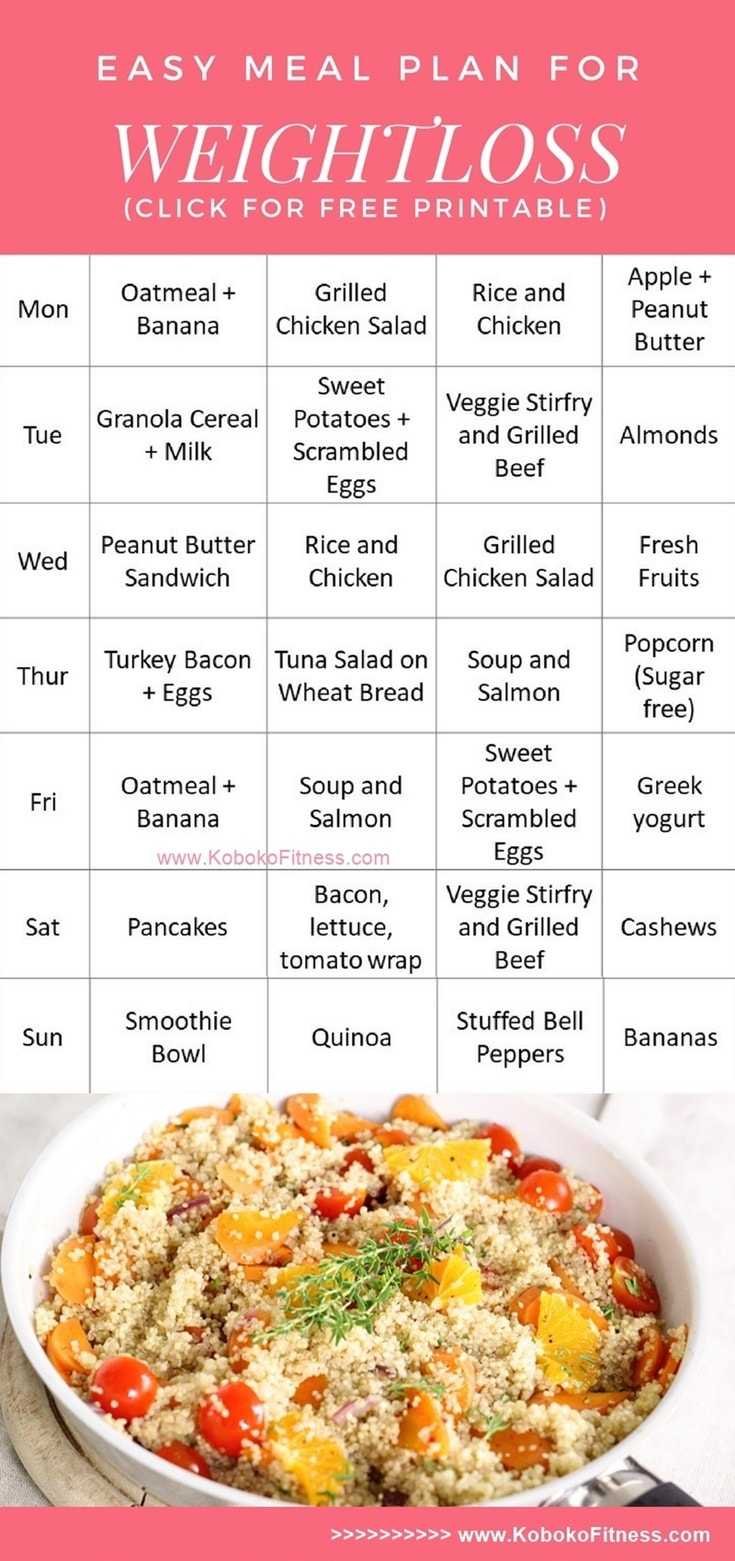
Looking to shed a few pounds without sacrificing flavor? The key is a balanced, nutritious meal plan tailored for weight loss that keeps you full and energized. A successful plan combines lean proteins, plenty of vegetables, healthy fats, and controlled portions, making it easier to stick with your goals. Stay consistent, choose whole foods, and avoid processed snacks for the best results.
A well-structured food meal plan for weight loss focuses on nutrient-dense options that promote satiety and boost metabolism. It emphasizes portion control, mindful eating, and incorporating a variety of healthy ingredients to help you lose weight steadily without feeling deprived. With the right plan, losing weight can become a sustainable and enjoyable journey.
Jumpstart your weight loss journey with a simple meal plan that fits your lifestyle. Eating healthy doesn’t mean giving up your favorite foods—it’s about making smarter choices that support your goals. By sticking to a balanced plan, you’ll be more likely to see consistent progress and develop healthier eating habits for the long run.

Food Meal Plan for Weight Loss: Your Complete Guide to Healthy Eating
Creating a well-balanced food meal plan for weight loss helps you stay on track and reach your goals effectively. It is important to choose foods that are nutritious, satisfying, and low in calories. This guide provides detailed insights into building a meal plan that supports healthy weight reduction while keeping your taste buds happy.
Understanding the Basics of a Food Meal Plan for Weight Loss
A good meal plan is all about balancing macronutrients: proteins, carbohydrates, and fats. It also emphasizes portion control and mindful eating to prevent overeating. Incorporating a variety of food groups ensures your body gets essential vitamins and minerals needed for optimal functioning.
Key Principles for Effective Meal Planning
- Choose nutrient-dense foods: Fruits, vegetables, lean proteins, and whole grains provide more nutrients per calorie.
- Control portion sizes: Smaller servings help manage calorie intake without feeling deprived.
- Limit processed foods: Reduce intake of foods high in sugar, unhealthy fats, and artificial ingredients.
- Stay hydrated: Drinking plenty of water supports metabolism and reduces hunger.
- Plan meals ahead: Preparing meals in advance prevents impulsive eating and ensures healthy choices.
Creating a Weekly Meal Schedule
Designing a weekly plan keeps your diet organized and prevents last-minute unhealthy choices. Include breakfast, lunch, dinner, and healthy snacks for each day. Remember to vary your foods to avoid boredom and ensure a broad spectrum of nutrients.
Sample Daily Meal Breakdown
| Meal | Food Choices |
|---|---|
| Breakfast | Oatmeal with berries and a boiled egg |
| Morning Snack | A small handful of almonds and a piece of fruit |
| Lunch | Grilled chicken salad with mixed greens, cherry tomatoes, and vinaigrette |
| Afternoon Snack | Greek yogurt with honey and a few walnuts |
| Dinner | Baked salmon, steamed broccoli, and quinoa |
Choosing Foods for Your Meal Plan
Proteins
Proteins are essential for muscle repair and satiety. Lean options include chicken breast, turkey, eggs, fish like salmon and cod, and plant-based sources such as beans and lentils. Incorporate protein-rich foods in every meal to stay full longer and support weight loss.
Carbohydrates
Opt for complex carbs like whole grains, oats, brown rice, and sweet potatoes. These provide fiber that aids digestion and promotes fullness. Limit simple sugars found in sweets and processed foods, which can spike blood sugar levels and lead to cravings.
Fats
Healthy fats support brain health and hormone production. Include sources like avocados, olive oil, nuts, and seeds. Keep saturated and trans fats to a minimum to prevent health issues and unwanted weight gain.
Snacks That Support Weight Loss
Healthy snacks prevent overeating during main meals and keep metabolism active. Choose options like fresh fruit, vegetables with hummus, or a small portion of nuts. Avoid high-calorie snacks loaded with sugar or unhealthy fats.
Sample Meal Plan Variations for Different Calorie Needs
Depending on your age, activity level, and weight loss goals, your calorie needs may vary. A typical lower-calorie plan might contain around 1200 to 1500 calories daily, while a more active individual might require 1800 to 2200 calories. Adjust portion sizes and food choices accordingly.
Low-Calorie Meal Example
- Breakfast: Scrambled egg whites with spinach and whole wheat toast
- Lunch: Vegetable stir-fry with tofu and brown rice
- Dinner: Grilled chicken with roasted vegetables and quinoa
Higher-Calorie Meal Example
- Breakfast: Greek yogurt smoothie with banana and nuts
- Lunch: Turkey sandwich on whole wheat bread with salad
- Dinner: Baked salmon, sweet potato mash, and sautéed green beans
Tips to Stick to Your Food Meal Plan for Weight Loss
- Use a food journal: Tracking your intake helps identify habits and stay accountable.
- Prep meals in advance: Batch cooking saves time and reduces temptation.
- Eat slowly and mindfully: Savor each bite to recognize fullness and prevent overeating.
- Stay flexible: Allow occasional treats to prevent feelings of deprivation, which can lead to binge eating.
- Seek support: Share your goals with friends or join a community for motivation and encouragement.
Supplementing Your Meal Plan with Physical Activity
Combining a nutritious meal plan with regular exercise accelerates weight loss. Activities like walking, cycling, or strength training boost metabolism and improve overall health. Remember to choose physical activities you enjoy to stay consistent.
Monitoring Progress and Making Adjustments
Track your weight, measurements, and how your clothes fit to gauge progress over time. If weight loss stalls, consider adjusting calorie intake or increasing activity levels. Stay patient and consistent with your efforts.
Additional Tips for a Successful Food Meal Plan for Weight Loss
- Prioritize sleep: Quality sleep supports metabolic health and reduces cravings.
- Reduce liquid calories: Limit sugary drinks, sodas, and high-calorie coffee beverages.
- Focus on whole foods: Minimally processed foods provide better satiety and nutrition.
- Stay positive: Celebrate small victories to stay motivated throughout your journey.
Building an effective food meal plan for weight loss involves understanding your nutritional needs, controlling portions, and choosing the right foods. Consistency and mindful eating are key to achieving your goals in a healthy and sustainable way. With dedication and proper planning, you can enjoy delicious meals while shedding unwanted pounds.
Frequently Asked Questions
How can I plan meals to ensure I stay full and satisfied during weight loss?
To stay full and satisfied, include a balance of high-fiber vegetables, lean proteins, and healthy fats in your meals. These nutrients slow digestion and promote feelings of fullness. Incorporate foods like beans, leafy greens, nuts, and seeds, and avoid processed snacks that cause hunger soon after eating. Eating regularly and controlling portion sizes also help prevent unnecessary snacking and keep your energy levels stable throughout the day.
What are the best foods to include in a weight loss meal plan for sustained energy?
Focus on incorporating complex carbohydrates such as whole grains, oats, and sweet potatoes, along with protein-rich options like chicken, fish, eggs, and legumes. Healthy fats from sources like avocados, olive oil, and nuts contribute to long-lasting energy. Combining these foods in your meals helps maintain blood sugar levels and prevents dips in energy that often lead to cravings.
How should I adjust my meal plan on days when I’m more physically active?
On active days, increase your intake of carbohydrates to refuel your muscles and replenish glycogen stores. Add a small portion of whole grains, fruits, or starchy vegetables to your meals. Also, include a source of lean protein to support muscle recovery. Ensure you stay well-hydrated and listen to your body’s hunger cues to avoid overeating or underfueling during these days.
Are there any common mistakes to avoid when creating a meal plan for weight loss?
A common mistake is severely restricting calories or omitting entire food groups, which can slow metabolism and cause nutrient deficiencies. Avoid relying on fad diets or excessively low carbohydrate intake. Instead, focus on balanced, nutrient-dense foods, and maintain consistency. Skipping meals may lead to overeating later, so plan regular, moderate portions throughout the day.
How can I incorporate variety into my meal plan without compromising my weight loss goals?
Introduce a wide range of vegetables, lean proteins, and healthy fats to keep your meals interesting and nutritious. Experiment with different herbs, spices, and cooking methods to add flavor without extra calories. Rotating foods prevents boredom and ensures you get a variety of essential nutrients, making it easier to stick to your plan long-term.
Final Thoughts
A well-structured food meal plan for weight loss can help you stay on track and achieve your goals. Focus on incorporating nutrient-dense foods like vegetables, lean proteins, and whole grains. Stay mindful of portion sizes and avoid processed snacks. Consistency and balance are key to sustainable weight loss.
As an Amazon Associate, We earn from qualifying purchases. When you purchase a product through Amazon links on pulsefitguide.com, we may earn a small commission at no extra cost to you. This helps support the site and keep our content free.
