


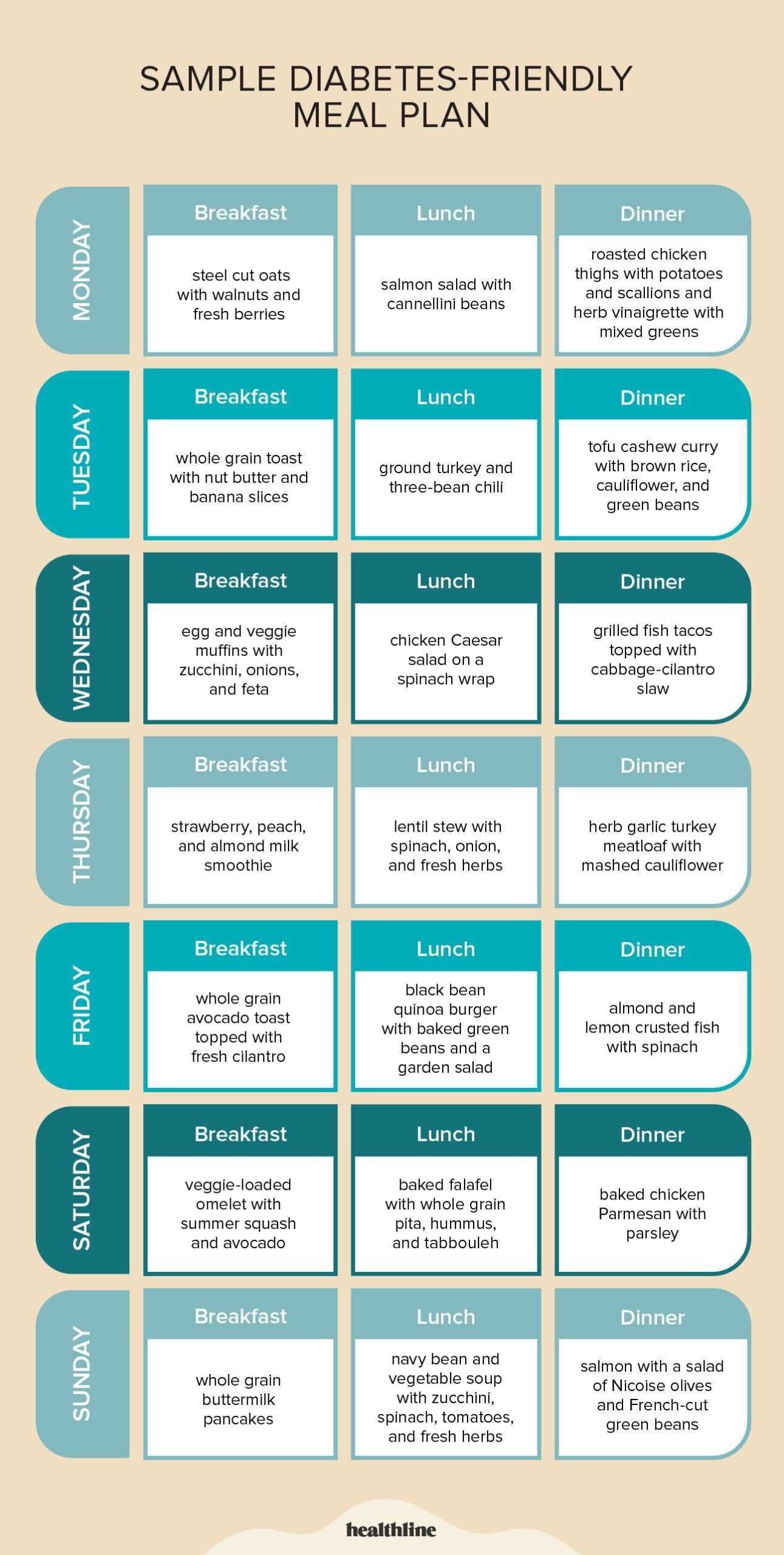
Looking for a simple way to shed some pounds while managing diabetes? The key lies in choosing nutrient-rich, low-carb meals that stabilize your blood sugar and keep hunger at bay. An easy diabetic meal plan for weight loss focuses on whole foods, portion control, and balanced macronutrients, making it easier to stay on track without feeling deprived. By incorporating lots of vegetables, lean proteins, and healthy fats, you can achieve your weight loss goals while keeping your blood sugar levels steady.
In short, an effective diabetic-friendly weight loss plan combines high-fiber vegetables, moderate amounts of lean meats or plant-based proteins, and healthy fats like avocado or nuts. Limiting refined carbs and sugary foods is essential, along with mindful eating and regular meal times to support steady blood sugar and weight loss progress.
Maintaining a healthy weight with diabetes can seem challenging, but with a straightforward and tasty meal plan, it becomes much more manageable. Start by choosing whole, unprocessed foods, and focus on balanced portions that keep your blood sugar levels stable while helping you shed unwanted pounds. Such a plan not only promotes weight loss but also boosts your overall well-being, making it easier to stick with your health goals long-term.

Easy Diabetic Meal Plan for Weight Loss
Understanding the Basics of a Diabetic Meal Plan
A diabetic meal plan helps control blood sugar levels while supporting weight loss. It focuses on balanced eating, portion control, and choosing foods with a low glycemic index. This approach reduces blood sugar spikes and keeps you feeling full longer, making weight management easier.
Why Focus on a Low Glycemic Index
Foods with a low glycemic index (GI) release sugar slowly into your bloodstream. This helps prevent sudden blood sugar spikes that can lead to cravings and overeating. Examples include whole grains, legumes, and non-starchy vegetables.
Importance of Portion Control
Portion control is key to managing calorie intake without feeling deprived. Using smaller plates and measuring servings can help you stick to your plan. Remember, even healthy foods should be eaten in moderation to promote weight loss.
What to Include in Your Easy Diabetic Meal Plan
Your meal plan should consist of a variety of nutrient-dense foods. Emphasize lean proteins, healthy fats, fiber-rich carbs, and plenty of non-starchy vegetables.
Healthy Protein Sources
Proteins help build muscle and keep you full longer. Good options include:
- Skinless chicken or turkey
- Fatty fish like salmon and mackerel
- Eggs and egg whites
- Legumes such as lentils and chickpeas
- Tofu and tempeh
Incorporating Healthy Fats
Healthy fats support heart health and satiety. Choose:
- Avocados
- Nuts and seeds (almonds, chia seeds)
- Olive oil and avocado oil
- Coconut oil in moderation
Fiber-Rich Carbohydrates
Fiber helps control blood sugar and aids digestion. Include:
- Whole grains like oats, quinoa, and brown rice
- Legumes and beans
- Non-starchy vegetables such as broccoli, spinach, and peppers
- Fruits like berries, apples, and pears in moderation
Sample Meal Schedule for Easy Weight Loss
Creating a daily routine with balanced meals is essential. Here is a sample to get started:
Breakfast
Start with a protein-rich meal such as scrambled eggs with spinach and a small bowl of berries. Pair it with a slice of whole-grain toast.
Mid-Morning Snack
Opt for a handful of nuts or a small apple with almond butter. This keeps energy steady until lunch.
Lunch
Choose a lean protein such as grilled chicken or fish, served with a large salad dressed with olive oil and lemon. Add a serving of quinoa or sweet potato.
Afternoon Snack
A Greek yogurt with chia seeds or cucumber slices with hummus are good options. They provide fiber and protein.
Dinner
Prepare a stir-fry with tofu or shrimp and plenty of non-starchy vegetables. Use a small amount of sesame oil or soy sauce for flavor. Serve with brown rice or cauliflower rice.
Evening Snack (Optional)
A small handful of walnuts or a piece of fruit. Keep portions small to avoid disrupting sleep or blood sugar levels.
Meal and Snack Preparation Tips
Preparation saves time and helps you stick to your plan. Batch-cook grains and proteins in advance. Use containers for portion control and keep healthy snacks ready.
Meal prep ideas include:
- Cooking large batches of chili with beans and vegetables
- Pre-chopping vegetables for salads and stir-fries
- Portioning nuts and seeds into small containers
- Preparing boiled eggs ahead of time
Managing Cravings and Staying Hydrated
Cravings can be managed by eating balanced meals at regular intervals and including protein and fiber. Drinking plenty of water throughout the day helps control appetite and supports overall health.
Hydration Tips
Aim for at least 8 glasses of water daily. Herbal teas and infused water with lemon or berries are good alternatives. Avoid sugary drinks that cause blood sugar spikes.
Healthy Snack Ideas to Curb Cravings
- Celery sticks with hummus
- Small portions of cheese and whole-grain crackers
- Fresh fruit with a handful of nuts
- Low-fat Greek yogurt with berries
Adjusting Your Meal Plan for Personal Needs
Everyone’s body responds differently to foods. Monitor your blood sugar levels and adjust portions accordingly. Consult a healthcare professional or dietitian for personalized advice.
Tips for Customization
- Include your preferred healthy foods
- Stay within your daily calorie and carbohydrate limits
- Make substitutions that suit your taste and lifestyle
Creating an easy diabetic meal plan for weight loss involves balanced eating, portion control, and mindful choices. Incorporate a variety of healthy foods while managing portions to help control blood sugar and shed extra pounds. Consistency and planning are key to making this lifestyle sustainable and enjoyable. Focus on nourishing your body with wholesome ingredients, and you’ll find it easier to stay on track with your health goals.
Frequently Asked Questions
What are some quick breakfast options suitable for a diabetic who wants to lose weight?
Opt for high-protein choices like scrambled eggs with vegetables or Greek yogurt topped with berries and nuts. These options help keep blood sugar levels stable and promote satiety throughout the morning, making it easier to stick to your weight loss goals.
How can I control portion sizes to support weight loss while managing diabetes?
Use measuring cups and a food scale to serve appropriate portions. Filling half your plate with non-starchy vegetables, a quarter with lean protein, and the remaining quarter with whole grains or starchy vegetables can help you maintain balanced meals that support both blood sugar control and weight management.
What snacks are best for maintaining energy levels without affecting blood sugar for someone with diabetes?
Choose nutrient-dense snacks such as a handful of almonds, celery sticks with hummus, or a small piece of cheese with apple slices. These options provide sustained energy and help prevent blood sugar spikes between meals.
Are there specific foods I should avoid on an easy meal plan for weight loss with diabetes?
Limit foods high in refined sugars and carbohydrates, such as white bread, pastries, and sugary beverages. Also, reduce intake of processed foods and fried items that can cause blood sugar fluctuations and hinder weight loss efforts.
How can I incorporate physical activity into my routine to support my meal plan?
Engage in regular, moderate exercise like brisk walking, cycling, or swimming for at least 150 minutes per week. Combining physical activity with a balanced meal plan enhances insulin sensitivity and can accelerate weight loss while managing diabetes effectively.
Final Thoughts
An easy diabetic meal plan for weight loss simplifies healthy eating without sacrificing flavor. Focus on balanced portions of lean proteins, vegetables, and whole grains to keep blood sugar levels steady. Incorporate fiber-rich foods to promote fullness and support weight management. By choosing nutrient-dense meals, you can achieve your health goals comfortably and sustainably.
As an Amazon Associate, We earn from qualifying purchases. When you purchase a product through Amazon links on pulsefitguide.com, we may earn a small commission at no extra cost to you. This helps support the site and keep our content free.
