


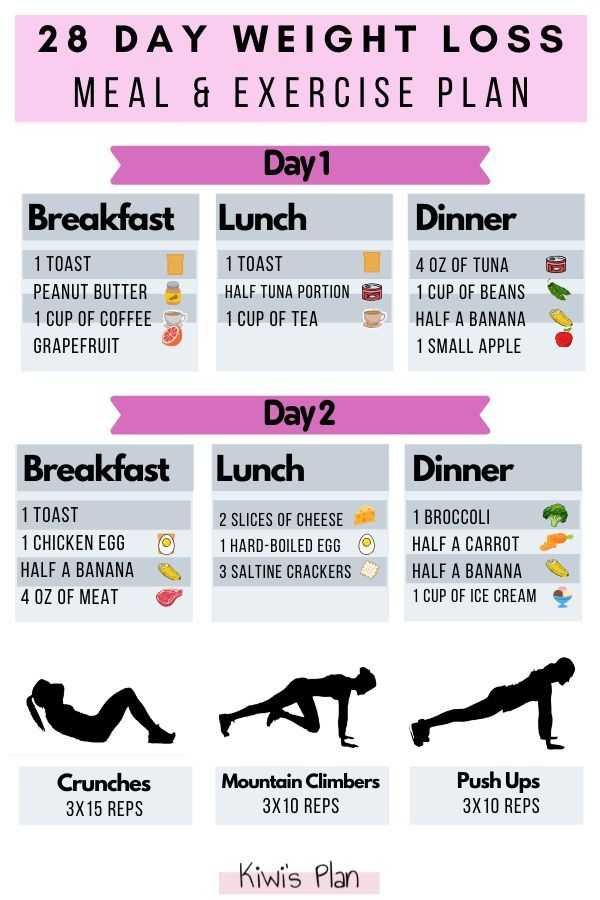
Starting a weight loss journey can feel overwhelming, but choosing the right meal plan combined with exercise makes all the difference. The best meal plan for weight loss exercise is one that is balanced, nutrient-dense, and tailored to your activity level, ensuring you stay energized while shedding pounds. Focus on incorporating lean proteins, plenty of vegetables, healthy fats, and whole grains, while keeping processed foods and sugars to a minimum. Combining this with a consistent workout routine will boost your metabolism and promote fat-burning. Remember, sustainable changes are key to long-term success—it’s about fueling your body properly and staying motivated. With the right meal plan and exercise combo, you’ll be on your way to achieving your weight loss goals efficiently and healthily.
For optimal weight loss, opt for a balanced diet rich in lean proteins, vegetables, and whole grains, paired with regular, varied exercise. This approach ensures steady fat loss, sustained energy, and overall well-being. Consistency and moderation are crucial for lasting results.
A healthy weight loss meal plan should include enough calories to support your activity level but create a calorie deficit. Prioritize whole, minimally processed foods, stay hydrated, and avoid crash diets. Complement this with a mix of cardio, strength training, and flexibility exercises to maximize results and maintain motivation.

Best Meal Plan for Weight Loss Exercise
Understanding the Role of Nutrition in Weight Loss Exercise
Eating the right foods helps your body perform better during workouts. Proper nutrition also ensures you recover quickly and avoid fatigue. Combining a well-balanced meal plan with regular exercise creates the best environment for weight loss.
Key Principles of a Good Meal Plan for Weight Loss
A successful meal plan emphasizes balance, moderation, and consistency. It focuses on nutrient-dense foods that fuel your body without adding extra calories. Incorporating the right mix of macronutrients is essential for energy and fat loss.
Balance Macronutrients
Proper ratios of carbohydrates, proteins, and fats support your exercise routine. Carbohydrates provide quick energy, proteins help build and repair muscles, and healthy fats support overall health. A typical balanced meal might include whole grains, lean meats, and healthy oils.
Control Portion Sizes
Portion control prevents overeating and helps maintain caloric deficits needed for weight loss. Use smaller plates and measure servings to keep track of intake. Eating slowly also allows your brain to register fullness.
Best Foods to Include in Your Meal Plan
Choosing nutrient-rich foods is key to effective weight loss and good workout performance. Here are some top options:
- Lean Proteins: Chicken breast, turkey, fish, tofu, eggs.
- Complex Carbohydrates: Brown rice, quinoa, oats, sweet potatoes.
- Healthy Fats: Avocado, nuts, seeds, olive oil.
- Vegetables: Broccoli, spinach, peppers, carrots.
- Fruits: Berries, apples, bananas, oranges.
Timing Your Meals for Maximum Benefit
Meal timing can boost your energy before workouts and support recovery afterward. Eating small, balanced meals every three to four hours helps sustain your metabolism. Think about pre-workout snacks and post-exercise meals as opportunities to optimize performance.
Pre-Workout Meals
Eat a light meal or snack containing carbs and some protein about 30 to 60 minutes before exercise. Examples include a banana with peanut butter or Greek yogurt with berries. Avoid heavy and greasy foods that may cause discomfort.
Post-Workout Nutrition
Refuel within 30 minutes to an hour after exercising with protein to support muscle repair. Pair it with carbs to replenish energy stores. Good options are a protein shake, cottage cheese with fruit, or a turkey sandwich.
Sample Meal Plan for a Day
Here’s a simple plan that balances nutrition and calories:
| Meal | Food Choices |
|---|---|
| Breakfast | Oatmeal with sliced bananas, a handful of almonds, and a boiled egg |
| Mid-Morning Snack | Greek yogurt with berries and honey |
| Lunch | Grilled chicken salad with mixed greens, cherry tomatoes, olive oil, and lemon dressing |
| Afternoon Snack | Apple slices with almond butter |
| Dinner | Baked salmon, steamed broccoli, and quinoa |
| Evening Snack | Cottage cheese with pineapple chunks |
Hydration and Its Importance
Staying well-hydrated supports metabolism and prevents fatigue. Drink water throughout the day and especially before, during, and after workouts. Consider adding electrolyte drinks if exercising intensely or in hot weather.
Common Mistakes to Avoid in Your Meal Plan
Avoid skipping meals, as it can lead to overeating later. Resist the temptation of high-calorie snacks and sugary drinks. Making unhealthy food choices can derail your weight loss efforts and affect workout performance.
Adjusting the Meal Plan as You Progress
As you lose weight and build strength, your caloric needs may change. Regularly reassess your plan and adjust portion sizes and food choices accordingly. Keeping a food journal helps track progress and stay accountable.
Additional Tips for Success
Pair your meal plan with consistent exercise and sufficient sleep. Incorporate variety to prevent boredom and ensure a broad nutrient intake. Remember, patience is key—sustainable weight loss takes time.
Related Topics
Explore topics like meal prepping, healthy snack ideas, and incorporating superfoods into your diet. These can enhance your weight loss journey and improve exercise outcomes.
This detailed plan combines the right foods, meal timing, and hydration to support your exercise efforts. Following these guidelines will help you reach your weight loss goals while maintaining energy and strength for your workouts.
Frequently Asked Questions
What are some key components of a meal plan that effectively supports weight loss during exercise?
A meal plan for weight loss during exercise should include a balance of lean proteins, complex carbohydrates, and healthy fats. Incorporating high-fiber foods helps increase satiety, preventing overeating. Ensure adequate hydration and timing meals around workouts to maintain energy levels and support recovery. Avoid processed foods and sugar-laden snacks to optimize your progress.
How important is meal timing in a weight loss exercise routine?
Meal timing plays a crucial role in fueling your workouts and promoting fat loss. Eating a small, balanced meal or snack about 30 to 60 minutes before exercising provides the energy needed for activity. Post-workout, consuming protein and carbs within an hour aids muscle recovery and replenishes glycogen stores. Proper timing helps regulate hunger and prevents unnecessary snacking.
Can I include my favorite foods in a weight loss meal plan while exercising regularly?
Yes, you can include your favorite foods in a weight loss plan by practicing moderation and portion control. Incorporate these foods occasionally and in small amounts rather than making them a regular part of every meal. Focus on making healthier substitutions and balancing indulgent foods with nutrient-dense options to stay on track with your goals.
Final Thoughts
The best meal plan for weight loss exercise combines nutritious foods with proper timing to boost metabolism and fuel workouts. Include lean proteins, healthy fats, and plenty of vegetables to stay full and energized. Stay hydrated and avoid processed snacks to support your goals. Consistency and balanced eating play key roles in achieving sustainable weight loss while exercising regularly.
As an Amazon Associate, We earn from qualifying purchases. When you purchase a product through Amazon links on pulsefitguide.com, we may earn a small commission at no extra cost to you. This helps support the site and keep our content free.
