


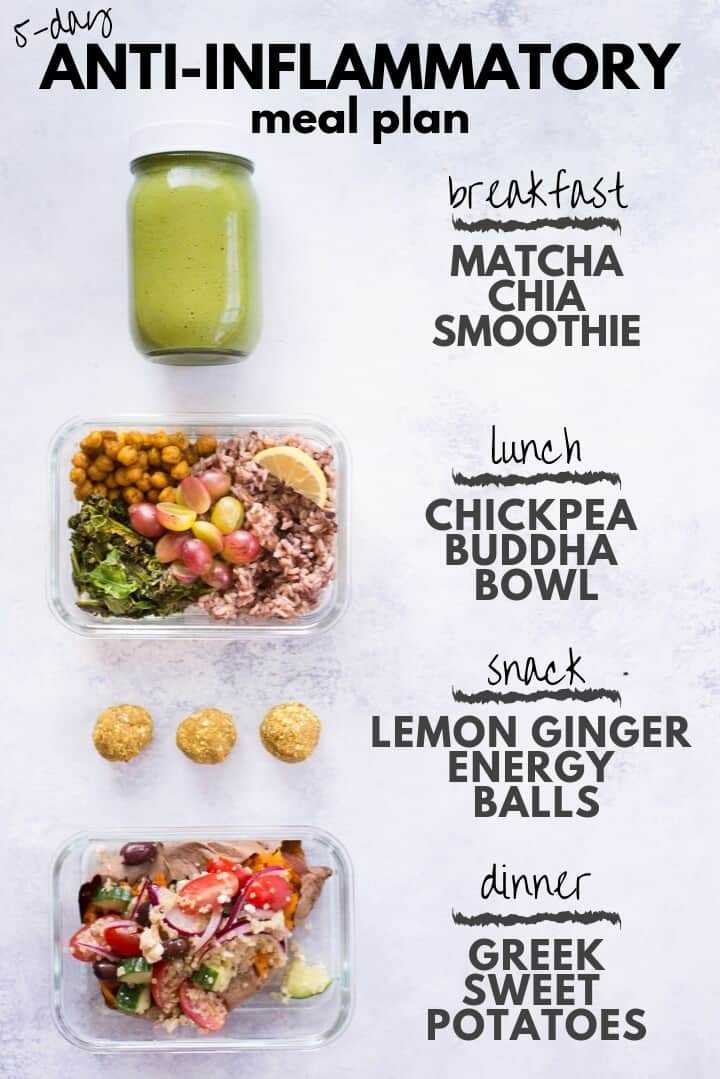
Looking to shed pounds while calming inflammation in your body? An anti-inflammatory meal plan not only supports weight loss but also promotes overall health and wellness. By choosing nutrient-dense foods rich in antioxidants and healthy fats, you can reduce stubborn belly fat and improve your energy levels. The key lies in incorporating colorful vegetables, lean proteins, and whole grains, all while avoiding processed foods and sugars that trigger inflammation. This approach creates a sustainable, delicious way to reach your weight loss goals without feeling deprived.
A well-crafted anti-inflammatory meal plan focuses on foods that reduce inflammation and boost metabolism, making weight loss easier and more effective. It emphasizes fresh, whole foods that nourish your body, helping you shed excess weight while promoting optimal health. Follow this plan consistently for noticeable results and a healthier, happier you.
If you’re aiming to lose weight and combat inflammation, adopting an anti-inflammatory meal plan is a smart and tasty strategy. It combines delicious, health-promoting foods with proven benefits for overall wellness, helping you reach your weight loss goals faster and more sustainably.

Anti Inflammatory Meal Plan for Weight Loss
Understanding the Connection Between Inflammation and Weight Gain
Inflammation is a natural process that helps your body heal from injuries and infections. However, chronic inflammation can cause health problems, including weight gain. When your body stays in a state of low-grade inflammation, it can slow down metabolism and lead to increased fat storage.
Research shows that reducing inflammation can support weight loss efforts. An anti-inflammatory meal plan works to lower inflammation levels in your body, making it easier to shed excess pounds. By choosing foods that fight inflammation, you improve overall health and promote healthier weight management.
The Benefits of an Anti Inflammatory Meal Plan for Weight Loss
Eating an anti-inflammatory diet offers several advantages for weight loss and health. It can help reduce bloating and water retention, leading to a flatter stomach. Additionally, it supports better digestion and energy levels throughout the day.
This type of meal plan also encourages the intake of nutrient-rich foods, which help satisfy hunger without overeating. As a result, it promotes healthier portion control and reduces cravings for unhealthy snacks. Over time, following an anti-inflammatory meal plan can lead to sustainable weight loss and improved immune function.
Core Principles of an Anti Inflammatory Meal Plan
A successful anti-inflammatory diet focuses on incorporating specific food groups and avoiding others that promote inflammation. The core principles include:
- Prioritize colorful fruits and vegetables rich in antioxidants
- Include healthy fats from sources like olive oil, avocados, and nuts
- Choose lean proteins such as fish, chicken, and plant-based options
- Limit processed foods, refined sugars, and trans fats
- Use herbs and spices like turmeric, ginger, and garlic to add flavor and anti-inflammatory properties
Following these principles ensures you get vital nutrients while minimizing inflammatory responses.
Best Foods for an Anti Inflammatory Meal Plan
Focusing on the right foods can significantly reduce inflammation and support your weight loss journey. Here are some of the best options to include:
Fruits
Fruits are packed with antioxidants and fiber, helping reduce inflammation. Some top choices include berries, cherries, oranges, and apples.
Vegetables
Dark leafy greens like spinach and kale are rich in anti-inflammatory compounds. Cruciferous vegetables such as broccoli and Brussels sprouts are also excellent.
Healthy Fats
Sources of healthy fats include extra virgin olive oil, avocados, and nuts like almonds and walnuts. These fats help decrease inflammation and promote satiety.
Lean Protein
Opt for fatty fish like salmon, mackerel, and sardines, which are high in omega-3 fatty acids. Plant-based proteins such as beans, lentils, and chickpeas are also beneficial.
Herbs and Spices
Incorporate anti-inflammatory herbs such as turmeric, ginger, cinnamon, and garlic into your meals for added flavor and health benefits.
Foods to Avoid in an Anti Inflammatory Meal Plan
Certain foods can increase inflammation and hinder weight loss. It’s best to limit or avoid:
- Refined sugars found in candies, pastries, and sugary drinks
- Processed foods high in trans fats and artificial additives
- Saturated fats from fried foods and fatty cuts of meat
- White bread, pasta, and rice made from refined grains
- Excessive alcohol consumption
Reducing these foods helps keep inflammation low and supports your weight loss goals.
Sample Anti Inflammatory Meal Plan for a Day
Here’s an example of a daily meal plan designed around anti-inflammatory principles:
Breakfast
– Oatmeal topped with fresh berries and a sprinkle of walnuts
– A cup of green tea
Lunch
– Grilled salmon salad with mixed greens, cherry tomatoes, cucumber, and olive oil vinaigrette
– A side of quinoa
Snack
– An apple with almond butter
Dinner
– Stir-fried vegetables with tofu or lean chicken, flavored with ginger and turmeric
– Brown rice or cauliflower rice
Evening Snack
– A small handful of mixed nuts or a piece of dark chocolate (at least 70% cocoa)
This plan emphasizes nutrient-dense foods that reduce inflammation and promote satiety.
Tips for Staying on Track with Your Meal Plan
Maintaining consistency is key. Here are some practical tips:
- Plan meals ahead to avoid unhealthy choices during busy days
- Cook in batches to save time and ensure healthy options are available
- Drink plenty of water and stay hydrated
- Use herbs and spices to add flavor without extra calories
- Listen to your body’s hunger signals and avoid overeating
Incorporating these habits helps you stick to your anti-inflammatory diet and supports long-term weight management.
Add Physical Activity for Better Results
Complement your meal plan with regular physical activity. Exercise helps reduce inflammation and boosts metabolism.
Activities like walking, swimming, or yoga are excellent options. Aim for at least 150 minutes of moderate exercise weekly. Combining diet and activity enhances your weight loss progress and overall health.
Monitoring Your Progress and Making Adjustments
Track your meals and weight regularly to see how your body responds. Adjust portion sizes and food choices as needed to stay motivated.
Listen to your body’s feedback and adapt your meal plan accordingly. Staying flexible helps you maintain this healthy lifestyle over the long term.
Summary of Key Takeaways
Focusing on whole, nutrient-rich foods and avoiding processed and inflammatory foods builds a strong foundation for weight loss. Including foods like fruits, vegetables, lean proteins, and healthy fats promotes better health and reduces inflammation. Combining this with physical activity creates a balanced approach for sustainable results.
By adhering to these principles, you can enjoy delicious meals that support your weight loss and overall well-being. Remember, consistency and patience are essential to see lasting changes.
Frequently Asked Questions
What are some common ingredients to include in an anti-inflammatory meal plan for weight loss?
Include foods rich in omega-3 fatty acids like salmon, walnuts, and chia seeds, as well as colorful vegetables such as spinach, kale, and bell peppers. Incorporate whole grains like quinoa and brown rice, and use herbs like turmeric and ginger for their anti-inflammatory properties. Incorporating lean proteins like chicken and legumes also supports overall health and weight management.
How can meal timing affect the effectiveness of an anti-inflammatory diet for weight loss?
Eating meals at consistent times helps regulate blood sugar levels and reduces cravings. Avoid large meals late at night to prevent unnecessary fat storage. Spacing meals evenly throughout the day can improve digestion and provide sustained energy, supporting your weight loss goals while minimizing inflammation.
Are there specific foods I should avoid on an anti-inflammatory meal plan for weight loss?
Limit or avoid processed foods, sugary snacks, and refined carbohydrates, as these can promote inflammation. Reducing intake of fried foods and trans fats is also beneficial. Instead, focus on whole, unprocessed foods that help reduce inflammation and support weight management efforts.
Can I incorporate dairy into an anti-inflammatory meal plan aimed at weight loss?
Yes, but choose dairy options like Greek yogurt or cottage cheese that are low in fat and added sugars. Some individuals may find that dairy exacerbates inflammation, so monitor your body’s response and adjust accordingly. The key is moderation and selecting minimally processed dairy products.
What are some practical tips for maintaining an anti-inflammatory diet while trying to lose weight?
Plan your meals ahead to avoid impulsive choices that may include inflammatory foods. Focus on including a variety of colorful vegetables and lean proteins in each meal. Use herbs and spices to flavor dishes instead of salt or processed seasonings. Staying hydrated and exercising regularly also support your weight loss and inflammation reduction goals.
Final Thoughts
An anti inflammatory meal plan for weight loss offers delicious, nutrient-rich foods that reduce inflammation and support fat burning. Focus on incorporating fruits, vegetables, lean proteins, and healthy fats to promote overall health. Staying consistent with these choices can boost metabolism and improve energy levels. This approach simplifies healthy living while helping you reach your weight loss goals effectively.
As an Amazon Associate, We earn from qualifying purchases. When you purchase a product through Amazon links on pulsefitguide.com, we may earn a small commission at no extra cost to you. This helps support the site and keep our content free.
