


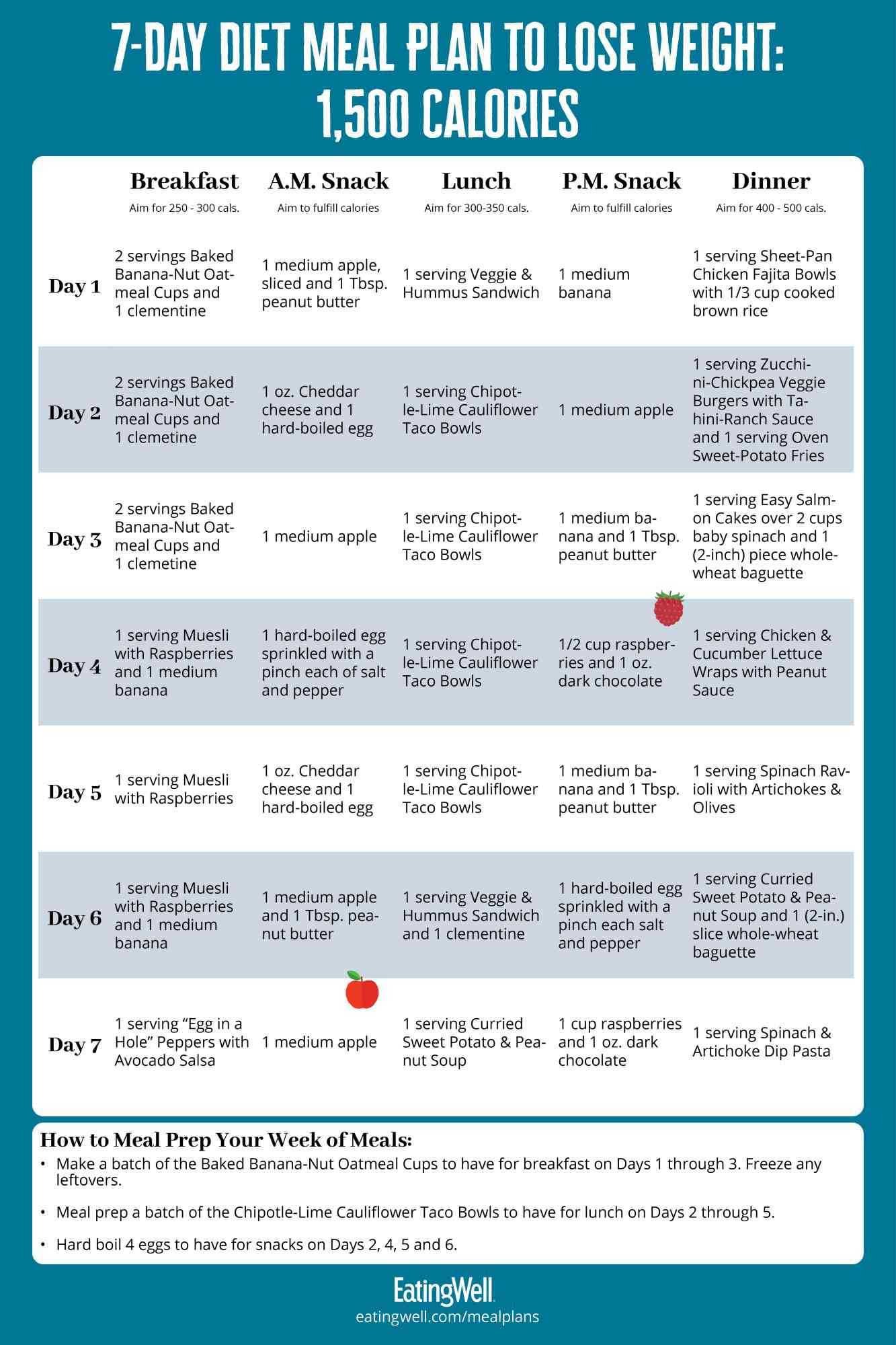
A simple, effective meal plan can help you shed pounds quickly and sustainably. With a balanced mix of nutritious foods, portion control, and smart choices, you can see results in just a week. Just stick to a structured plan that emphasizes whole foods, lean proteins, vegetables, and controlled carbs to kickstart your weight loss journey.
In short, a one-week meal plan for weight loss should focus on high-protein, fiber-rich foods, and minimize processed sugars and unhealthy fats. By planning your meals in advance, you’re more likely to make healthy choices and stay on track. This guide offers a straightforward, delicious schedule to help you stay motivated and see progress fast.
Jumping into a weight loss plan might feel overwhelming, but with a clear, easy-to-follow meal schedule, you can make healthier choices effortlessly. This plan is designed for busy lifestyles, balancing flavor and nutrition to keep you satisfied while shedding pounds. Whether you’re just starting out or looking for a fresh approach, this one-week meal plan will set you on the right track for your weight loss goals.

A Week Meal Plan for Weight Loss: Your Guide to Healthy Eating
Planning your meals for the week is a smart way to stay on track with your weight loss goals. It helps you control portions, choose nutritious ingredients, and avoid unhealthy temptations. A well-structured meal plan makes your weight loss journey easier and more enjoyable.
Understanding the Basics of a Weight Loss Meal Plan
Balanced Nutrition Is Key
Your meal plan should include a good mix of proteins, carbohydrates, and healthy fats. Proteins help build and repair tissues and keep you full longer. Carbohydrates provide energy, especially from whole grains, fruits, and vegetables. Healthy fats support brain health and hormone production.
Calorie Control
Creating a calorie deficit is essential for weight loss. Determine your daily calorie needs and aim to reduce it slightly. Focus on nutrient-dense foods that satisfy your hunger without excess calories.
Meal Timing and Frequency
Eating smaller, frequent meals throughout the day can boost your metabolism. Opt for three main meals and two small snacks to maintain steady energy levels and prevent overeating.
Sample 7-Day Meal Plan for Weight Loss
Day 1
Breakfast: Oatmeal topped with fresh berries and a teaspoon of honey. A cup of green tea.
Lunch: Grilled chicken salad with mixed greens, cherry tomatoes, cucumbers, and a vinaigrette dressing.
Snack: A handful of almonds and a small apple.
Dinner: Baked salmon with steamed broccoli and quinoa.
Day 2
Breakfast: Greek yogurt with sliced banana and chia seeds.
Lunch: Turkey and vegetable wrap with whole wheat tortilla. Carrot sticks on the side.
Snack: Celery sticks with hummus.
Dinner: Stir-fried tofu with assorted vegetables and brown rice.
Day 3
Breakfast: Scrambled eggs with spinach and whole-grain toast.
Lunch: Quinoa bowl with black beans, corn, diced tomatoes, and avocado.
Snack: Low-fat cottage cheese with pineapple chunks.
Dinner: Lean beef stew with carrots, potatoes, and green beans.
Day 4
Breakfast: Smoothie with spinach, frozen berries, banana, and almond milk.
Lunch: Lentil soup with a side of mixed green salad.
Snack: A small handful of walnuts and an orange.
Dinner: Grilled shrimp with asparagus and wild rice.
Day 5
Breakfast: Whole wheat toast with avocado spread and poached eggs.
Lunch: Chicken and vegetable stir-fry with cauliflower rice.
Snack: Sliced cucumbers with tzatziki sauce.
Dinner: Baked cod with roasted sweet potatoes and sautéed kale.
Day 6
Breakfast: Cottage cheese with fresh strawberries and a sprinkle of flaxseed.
Lunch: Veggie burger on a whole grain bun with lettuce and tomato. Side of mixed salad.
Snack: A small banana with a spoonful of peanut butter.
Dinner: Turkey meatballs with zucchini noodles and marinara sauce.
Day 7
Breakfast: Fruit salad with a dollop of Greek yogurt and nuts.
Lunch: Grilled vegetable and hummus pita pocket.
Snack: Sliced bell peppers with guacamole.
Dinner: Chicken breast roasted with herbs, served with roasted Brussels sprouts and wild rice.
Tips for Success with Your Meal Plan
Prepare Meals in Advance
Batch cooking and meal prepping save time and help avoid unhealthy choices. Prepare ingredients or entire dishes ahead of time for the week.
Stay Hydrated
Drink plenty of water throughout the day. Sometimes thirst is mistaken for hunger, leading to unnecessary snacking.
Control Portion Sizes
Use smaller plates and bowls to help manage portions. Measure servings to maintain consistency and prevent overeating.
Incorporate Variety and Flavor
Include different vegetables, proteins, and spices to keep meals interesting. Flavorful herbs and spices can make healthy foods more satisfying.
Additional Related Topics
The Importance of Exercise
Combining your meal plan with regular physical activity boosts weight loss. Activities like walking, biking, or swimming help burn extra calories and improve health.
Tracking Your Progress
Keep a food journal or use apps to monitor your eating habits and weight changes. Tracking helps you stay motivated and identify areas for improvement.
Handling Cravings and Temptations
Plan healthier alternatives for sweet or salty cravings. Drinking water, chewing gum, or taking a walk can help you resist impulsive eating.
Staying Motivated
Set realistic goals and celebrate small victories. Remember that gradual progress is sustainable and healthier in the long run.
Following a structured and diverse weekly meal plan supports your weight loss efforts and encourages healthy habits. Stay consistent, enjoy your meals, and focus on nourishing your body with wholesome foods each day.
Frequently Asked Questions
How can I ensure my meal plan provides enough nutrients while promoting weight loss?
To maintain a balanced diet, include a variety of whole foods such as lean proteins, fruits, vegetables, whole grains, and healthy fats. Focus on portion control and avoid processed foods high in added sugars and unhealthy fats. Planning meals ahead helps you stick to nutrient-rich options and prevents impulsive eating. Regularly include different food groups to meet your vitamin and mineral needs, which supports overall health during weight loss.
What are some snack ideas that complement a weekly weight loss meal plan?
Opt for snacks that are both satisfying and nutritious, such as fresh fruit, raw vegetables with hummus, Greek yogurt, a handful of nuts, or whole-grain crackers with cheese. These options provide fiber, protein, and healthy fats, helping you stay full longer and reducing the likelihood of overeating during main meals. Keep portion sizes moderate to avoid consuming extra calories.
How should I adjust my meal plan if I feel hungry between meals?
If hunger persists, consider adding small, healthy snacks between meals, like a piece of fruit, a handful of nuts, or some low-fat yogurt. Make sure your main meals include enough protein and fiber, which can help curb hunger. Staying well-hydrated also helps reduce unnecessary cravings. Listening to your body’s signals and adjusting meal portions accordingly can keep you comfortable without overeating.
What are some common mistakes to avoid when following a meal plan for weight loss?
Avoid skipping meals, which can lead to excessive hunger and overeating later. Don’t rely on restrictive diets that eliminate entire food groups, as this can cause nutritional deficiencies. Be cautious of hidden calories in dressings, beverages, or snacks. Also, resist the temptation to indulge frequently, and instead focus on consistent eating patterns that sustain your energy levels and support your weight loss goals.
How can I stay motivated to follow my weekly meal plan consistently?
Set realistic goals and track your progress to see how your efforts pay off. Prepare meals in advance to make healthy choices easier and reduce temptation. Keep a variety of tasty, healthy foods accessible to prevent boredom. Seek support from friends, family, or online communities to stay accountable. Celebrating small successes along the way can boost your motivation to maintain healthy habits throughout the week.
Final Thoughts
A week meal plan for weight loss provides a clear roadmap to achieve your health goals. It helps you stay focused on nutritious choices and avoids impulsive eating. By planning ahead, you ensure balanced meals that promote fat loss and energy. Stick to this plan, and you’ll notice steady progress toward your ideal weight.
As an Amazon Associate, We earn from qualifying purchases. When you purchase a product through Amazon links on pulsefitguide.com, we may earn a small commission at no extra cost to you. This helps support the site and keep our content free.
