


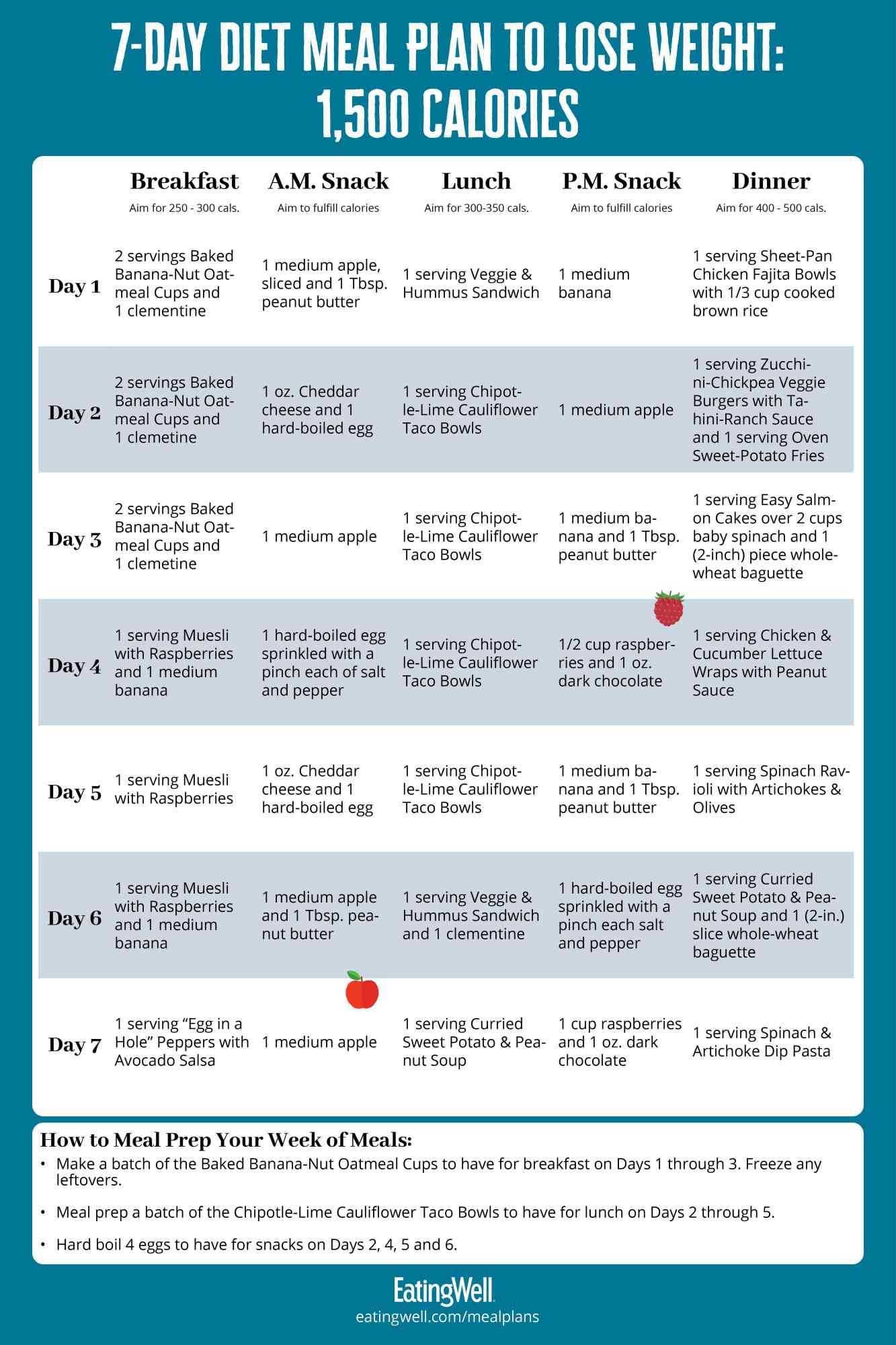
Kickstarting a weight loss journey doesn’t have to be complicated or bland. A well-crafted meal plan focusing on balanced, nutritious foods can help you shed pounds while still enjoying your meals. The key is incorporating plenty of vegetables, lean proteins, and healthy fats while limiting processed foods and sugars.
A meal plan for weight loss should prioritize portion control, whole foods, and regular eating times to keep your metabolism active. By choosing nutrient-dense options and avoiding calorie-dense, low-nutrition foods, you can create a sustainable path to your ideal weight. Small, consistent changes to your diet are more effective than extreme restrictions and can make the process enjoyable rather than a chore.
Starting a meal plan for weight loss is all about making smarter food choices that support your goals without feeling deprived. Focus on creating delicious, satisfying meals that nourish your body, keep you full longer, and help you progress steadily toward your weight loss target. Remember, consistency and balance are your best friends on this journey.

A Meal Plan for Weight Loss: Your Guide to Healthy Eating and Successful Fat Loss
Creating a meal plan for weight loss helps you stay focused and makes healthy choices easier. It provides structure and keeps you from impulsive eating. A good plan balances nutrients and keeps you satisfied while reducing calorie intake.
Understanding Calorie Needs and Portion Control
Before designing your meal plan, know how many calories you need daily. This depends on your age, gender, activity level, and weight goals. Portion control is crucial to avoid overeating even healthy foods.
Use tools like calorie counters or apps to track your daily intake. This helps you stay within your target calorie range for weight loss. Remember, eating smaller portions more frequently can prevent hunger and reduce the chance of binge eating.
The Importance of Balanced Nutrition
For effective weight loss, your meal plan must include a variety of nutrients. Focus on including proteins, healthy fats, whole grains, fruits, and vegetables. Each plays a role in keeping you full and fueling your body.
Proteins like chicken, fish, beans, and eggs support muscle preservation and satiety. Healthy fats from avocados, nuts, and olive oil help your brain and hormone health. Whole grains like brown rice and oats provide fiber for digestion.
Sample Daily Meal Plan for Weight Loss
| Meal | Examples | Notes |
|---|---|---|
| Breakfast | Oatmeal with berries and a sprinkle of nuts | High in fiber and antioxidants, keeps you full |
| Mid-morning Snack | Greek yogurt with honey or a small apple | Adds protein and natural sweetness |
| Lunch | Grilled chicken salad with mixed greens and vinaigrette | Low-calorie but filling, rich in vitamins |
| Afternoon Snack | Carrot sticks with hummus | Crunchy and nutritious |
| Dinner | Baked salmon, steamed broccoli, and quinoa | Protein-packed with fiber and healthy fats |
| Optional Evening Snack | A handful of almonds or berries | Light and satisfying |
Meal Timing and Frequency
Eating at regular intervals prevents hunger and overeating. Aim to have three main meals and one or two snacks each day. Space meals about four hours apart to maintain energy levels.
Listen to your body’s hunger cues and adjust meal timing as needed. Avoid skipping meals, which can lead to excessive hunger and overeating later.
Healthy Cooking Methods for Weight Loss
Choose cooking techniques that preserve nutrients and reduce added fats. Baking, grilling, steaming, and sautéing are excellent options. Use herbs, spices, and citrus to flavor foods instead of heavy sauces or salt.
Limit the use of oils and butter. Instead, opt for cooking sprays or broth-based sauces. These methods keep your meals tasty while controlling calories.
Smart Shopping and Meal Prep Tips
Plan your grocery trips around your meal plan to avoid impulse buys. Stock up on healthy staples like vegetables, lean meats, and whole grains. Avoid processed foods that are high in sugar and unhealthy fats.
Meal prepping saves time and ensures you always have healthy options available. Prepare large batches of grains and proteins to use throughout the week. Store meals in portioned containers for grab-and-go convenience.
Incorporating Snacks Wisely
Healthy snacks can help control hunger and prevent overeating at mealtime. Include options like nuts, seeds, fresh fruit, or low-fat dairy. Keep portions small to avoid consuming excess calories.
Avoid snacks high in sugar and refined carbs, which can cause energy crashes and increased hunger. Focus on nutrient-dense foods that support your weight loss goals.
Hydration and Its Role in Weight Loss
Drinking enough water is essential for weight loss. Water helps control appetite and supports digestion. Aim for at least eight glasses daily, more if active or in hot weather.
You can also include herbal teas and infused water for variety. Limit sugary drinks like sodas and fruit juices to reduce unnecessary calories.
Adjusting Your Meal Plan for Plateaus and Progress
If weight loss stalls, review your meal portions and calorie intake. Sometimes small adjustments are needed. Incorporate more vegetables or increase physical activity levels.
Tracking your progress helps you identify what works best. Flexibility in your plan keeps you motivated and prevents feelings of deprivation.
Related Topics to Support Your Weight Loss Journey
- Incorporating regular physical activity
- Understanding macronutrients and micronutrients
- Managing emotional eating
- Setting realistic weight loss goals
Each aspect complements your meal plan and enhances your chances of success. Healthy habits combined with a structured diet make a real difference.
The Role of Flexibility and Enjoyment
While sticking to your plan is important, allow yourself occasional treats. This prevents feelings of restriction and helps maintain motivation. Balance is key to making long-term changes.
Find healthy recipes you enjoy, and experiment with flavors and ingredients. This keeps your diet interesting and sustainable over time.
The Final Word on a Meal Plan for Weight Loss
Designing a meal plan for weight loss involves understanding your calorie needs, eating balanced meals, and choosing nutritious ingredients. Planning ahead, preparing healthy snacks, and staying hydrated support your goals.
Remember, consistency and patience lead to lasting results. Focus on small, manageable changes that fit your lifestyle, and you will find success in your weight loss journey.
Frequently Asked Questions
How can I ensure my meal plan for weight loss includes enough nutrients?
To ensure your meal plan provides essential nutrients, focus on incorporating a variety of whole foods such as fruits, vegetables, lean proteins, whole grains, and healthy fats. Balance your meals by including different food groups, and avoid overly restrictive diets. Planning meals ahead helps maintain nutrient diversity, and consider consulting a nutritionist to tailor the plan to your specific needs and ensure you’re meeting your daily vitamin and mineral requirements.
What are some effective portion control strategies to support weight loss?
Using smaller plates and bowls can help control portion sizes naturally. Measure servings with cups or a food scale to develop a better sense of appropriate portions. Eating slowly andmindfully allows your body to recognize fullness cues, reducing overeating. Incorporate high-fiber foods that promote satiety, and avoid distractions like screens during meals to stay focused on your portion sizes.
How can I stay motivated to follow my meal plan in the long term?
Set clear, achievable goals and track your progress regularly to stay motivated. Keep a variety of healthy foods in your pantry and refrigerator to prevent boredom. Prepare meals in advance to avoid last-minute unhealthy choices, and seek support from friends, family, or online communities. Remember to celebrate small successes, and focus on how your meal plan positively impacts your overall health and well-being.
Final Thoughts
A meal plan for weight loss provides a clear, structured approach to healthier eating. Focus on balanced portions, incorporating vegetables, lean proteins, and whole grains to keep energy levels steady. Staying consistent with meal times supports metabolism and curbs unhealthy snacking.
Choosing nutritious, satisfying foods helps maintain motivation and promotes long-term results. Remember, simplicity and variety make a meal plan sustainable. A well-designed plan can make your weight loss journey effective and enjoyable.
As an Amazon Associate, We earn from qualifying purchases. When you purchase a product through Amazon links on pulsefitguide.com, we may earn a small commission at no extra cost to you. This helps support the site and keep our content free.
