


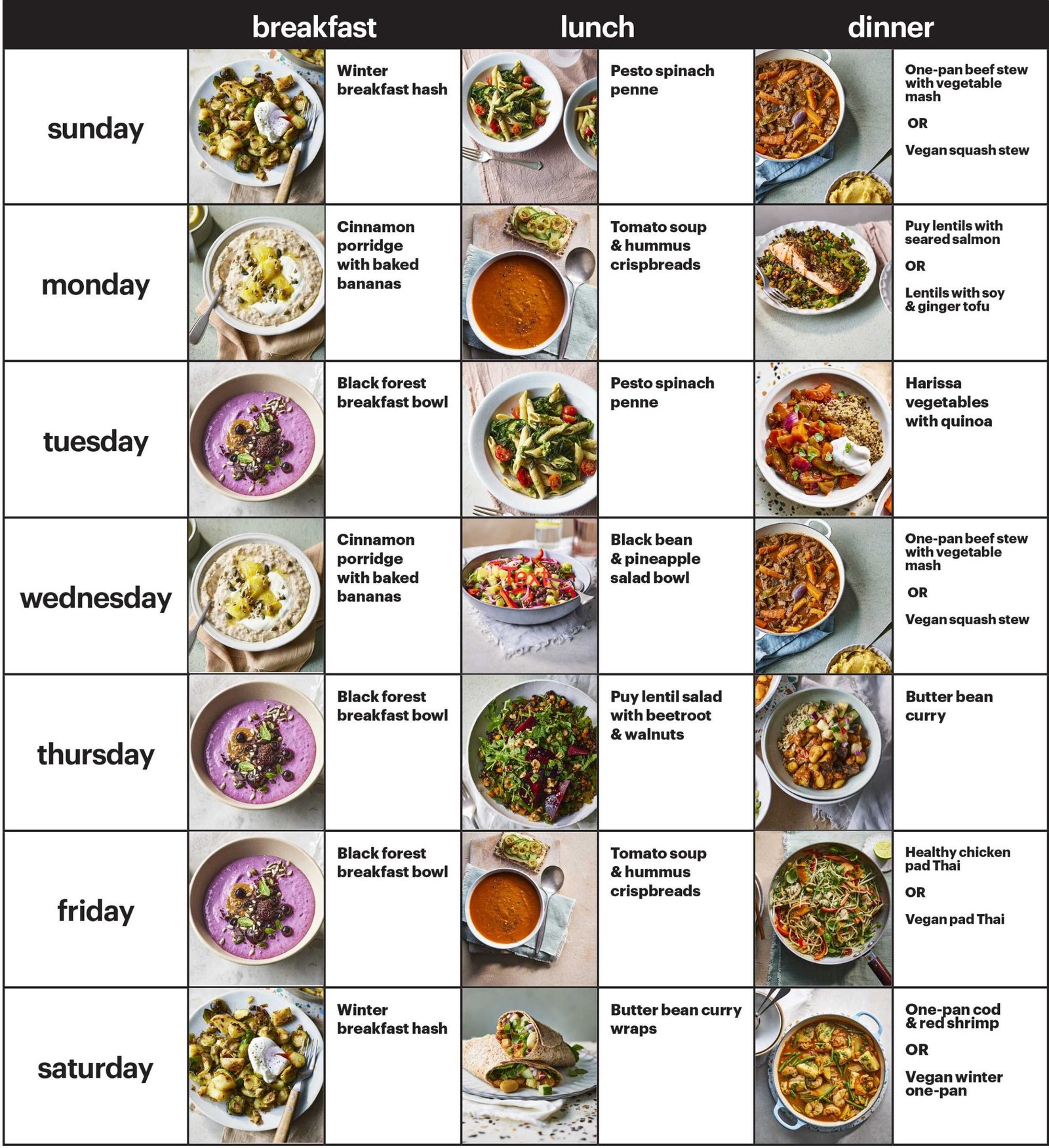
To kickstart your weight loss journey, focus on a balanced meal plan rich in lean proteins, whole grains, healthy fats, and plenty of vegetables. Keep portions controlled and avoid processed foods to see steady progress. Consistency and mindful eating are key to sustainable results.
A healthy meal plan for weight loss revolves around nutritious, satisfying foods that keep you full longer and support your body’s needs. By incorporating a variety of whole foods and managing portion sizes, you can lose weight without feeling deprived. It’s about creating habits that promote gradual, lasting change.
Starting a weight loss journey can feel overwhelming, but the right meal plan makes all the difference. Instead of restrictive diets, aim for a sustainable approach that emphasizes nourishing your body with wholesome ingredients. Think of it as a lifestyle shift rather than a quick fix—incorporating colorful vegetables, lean proteins like chicken or fish, whole grains such as brown rice or oats, and healthy fats from nuts or avocados. Small, consistent changes to your eating habits can lead to significant results over time. Remember, weight loss is a marathon, not a sprint, and a well-designed meal plan keeps you energized and motivated every step of the way.

A Healthy Meal Plan for Weight Loss
Understanding the Basics of a Healthy Meal Plan
A healthy meal plan for weight loss focuses on balanced nutrition. It includes a variety of foods that provide essential nutrients without excess calories. The goal is to create a sustainable eating pattern that promotes gradual weight loss and overall well-being.
Importance of Proper Portion Sizes
Portion control plays a critical role in managing calorie intake. Using smaller plates and measuring servings helps prevent overeating. Paying attention to hunger and fullness cues ensures you eat only as much as your body needs.
Incorporating a Variety of Food Groups
A nutritious meal plan features a mix of fruits, vegetables, lean proteins, whole grains, and healthy fats. Each food group supplies unique nutrients vital for your health and weight management.
Fruits and Vegetables
Fruits and vegetables are low in calories but rich in vitamins, minerals, and fiber. Aim for at least five servings daily to boost satiety and nutrient intake. Colors matter; include a rainbow of produce for diverse nutrients.
Lean Proteins
Protein helps build and repair tissues and supports muscle mass during weight loss. Include sources like chicken, turkey, fish, beans, lentils, and tofu. Opt for grilling, baking, or steaming instead of frying.
Whole Grains
Whole grains contain more fiber and nutrients than refined grains. Choose options such as brown rice, oats, whole wheat bread, and quinoa. They promote fullness and stabilize blood sugar levels.
Healthy Fats
Healthy fats are essential for brain health and hormone production. Incorporate sources like avocados, nuts, seeds, and olive oil. Use them in moderation as they are calorie-dense.
Meal Planning Strategies for Success
Planning meals ahead helps avoid impulsive decisions and unhealthy choices. Prepare grocery lists based on your plan and consider batch cooking for busy days. Stay flexible to accommodate your preferences and lifestyle.
Sample Daily Meal Plan for Weight Loss
Here’s an example of a balanced day of eating designed for weight loss:
| Meal | Food Choices | Notes |
|---|---|---|
| Breakfast | Oatmeal with fresh berries and a handful of nuts | Provides fiber, antioxidants, and healthy fats |
| Mid-morning Snack | Greek yogurt with sliced fruit | High in protein and probiotics |
| Lunch | Grilled chicken salad with mixed greens, cherry tomatoes, cucumbers, and a drizzle of olive oil | Light yet filling, rich in nutrients |
| Afternoon Snack | Carrot sticks with hummus | Crunchy, satisfying, and nutritious |
| Dinner | Baked salmon with steamed broccoli and quinoa | High in omega-3 fatty acids and fiber |
| Evening Snack (if needed) | A small handful of almonds or an apple | Healthy fats and fiber |
Importance of Hydration in Weight Loss
Drinking enough water supports metabolism and curbs hunger. Aim for at least 8 glasses daily, and more if active or in hot weather. Sometimes thirst is mistaken for hunger, leading to unnecessary snacking.
Smart Snack Choices
Snacks should complement your meal plan, not undo it. Choose options that are nutritious and portion-controlled. Examples include nuts, seeds, fresh fruit, or low-fat dairy.
Balancing Carbohydrates, Proteins, and Fats
Each meal should contain a good balance of macronutrients. For instance, pair carbs with protein to improve satiety and stabilize blood sugar. Avoid high-sugar and fried foods that can hinder weight loss.
Role of Fiber in a Weight Loss Meal Plan
Fiber creates fullness and slows digestion, reducing hunger. Include whole grains, fruits, vegetables, and legumes regularly. Aim for at least 25-30 grams of fiber daily.
Meal Timing and Frequency
Eating at regular intervals helps prevent binge eating and maintains energy levels. Some individuals find three balanced meals with one or two snacks effective. Find a routine that fits your lifestyle.
Healthy Cooking Methods
Use minimal oil and favor steaming, boiling, baking, or grilling. These methods keep dishes flavorful without adding unnecessary calories. Herbs and spices add taste without sodium.
Managing Cravings and Emotional Eating
Identify triggers for unhealthy eating, such as stress or boredom. Find alternative activities like walking, reading, or practicing mindfulness. Keep healthy snacks accessible to satisfy cravings healthily.
Monitoring Progress and Making Adjustments
Track your food intake and weight weekly to assess progress. Make gradual changes if weight loss stalls. Celebrate non-scale victories like increased energy or improved mood.
Additional Tips for a Successful Weight Loss Meal Plan
- Listen to your body’s hunger signals.
- Eat slowly to enjoy your food and recognize fullness.
- Limit processed foods and added sugars.
- Stay consistent but flexible for holidays or special occasions.
- Incorporate physical activity alongside your meal plan.
Connecting Nutrition and Lifestyle Habits
Combine your meal plan with regular exercise, adequate sleep, and stress management. These elements work together to support your weight loss journey and overall health.
Creating a healthy meal plan for weight loss involves balancing nutrients, controlling portions, and making sustainable choices. Focus on a variety of foods, stay hydrated, and practice mindful eating to achieve your goals. Remember, consistency and patience are key to long-term success.
Frequently Asked Questions
What are some good ways to ensure my meal portions support weight loss?
To support weight loss, control your portion sizes by using smaller plates and measuring servings. Focus on filling half your plate with vegetables, a quarter with lean proteins, and a quarter with whole grains. Eating slowly and paying attention to hunger cues helps prevent overeating and promotes satiety.
How can I incorporate healthy fats into my meal plan without sabotaging my weight loss goals?
Include moderate amounts of healthy fats such as avocados, nuts, seeds, and olive oil in your meals. These fats support overall health and help keep you full longer. Be mindful of portion sizes to avoid consuming excess calories, and combine healthy fats with fiber-rich foods to enhance satiety.
What are some practical tips for maintaining variety in my meals while focusing on weight loss?
Plan your weekly meals to include a wide range of vegetables, lean proteins, and whole grains. Use different herbs and spices to add flavor without extra calories. Preparing meals in advance allows you to try new recipes and avoid reliance on convenience foods, helping you stay committed to your healthy plan.
Final Thoughts
A healthy meal plan for weight loss emphasizes balanced portions, nutrient-rich foods, and variety. Incorporate lean proteins, whole grains, and plenty of vegetables to satisfy your hunger and support your goals. Avoid processed snacks and sugary drinks, which can hinder progress.
Plan meals ahead of time to stay consistent and avoid impulsive choices. Staying hydrated and mindful eating also contribute to effective weight management. By following these simple guidelines, you set yourself up for success on your weight loss journey.
As an Amazon Associate, We earn from qualifying purchases. When you purchase a product through Amazon links on pulsefitguide.com, we may earn a small commission at no extra cost to you. This helps support the site and keep our content free.
