


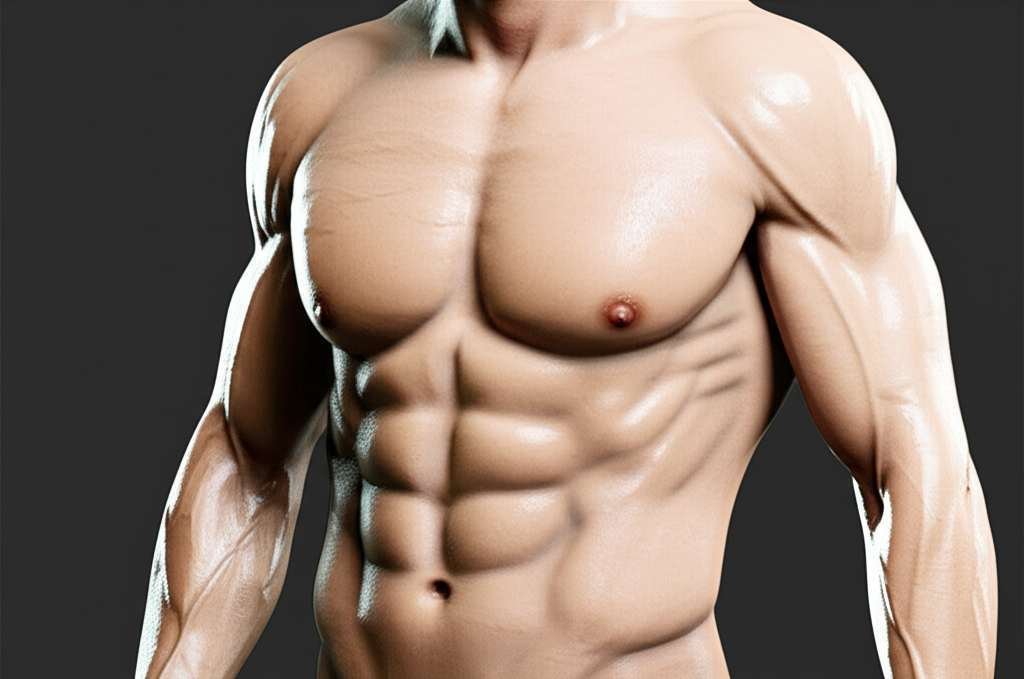
Your body is smart! It naturally taps into stored fat for energy before breaking down muscle. Let’s unlock how to make this work for you and reach your fitness goals, one simple step at a time!
Hey there, fitness friends! Feeling a bit lost when it comes to burning fat and getting stronger? You’re not alone. So many of us start with the best intentions, but then the confusing fitness jargon and complicated plans can make us want to hit the snooze button on our goals. But guess what? It doesn’t have to be that way!
I’m here to tell you that getting fit can be fun, simple, and totally doable. We’re going to break down exactly why your body prefers burning fat first, and how you can use that amazing natural process to your advantage. Ready to feel energized and see real results? Let’s dive in and make fitness your new favorite habit!
Why Your Body Loves Fat First
Ever wondered why you don’t just melt away all your muscle when you start working out? It’s all about your body’s amazing energy system. Think of your body like a super-efficient car. It always goes for the easiest, most readily available fuel first.
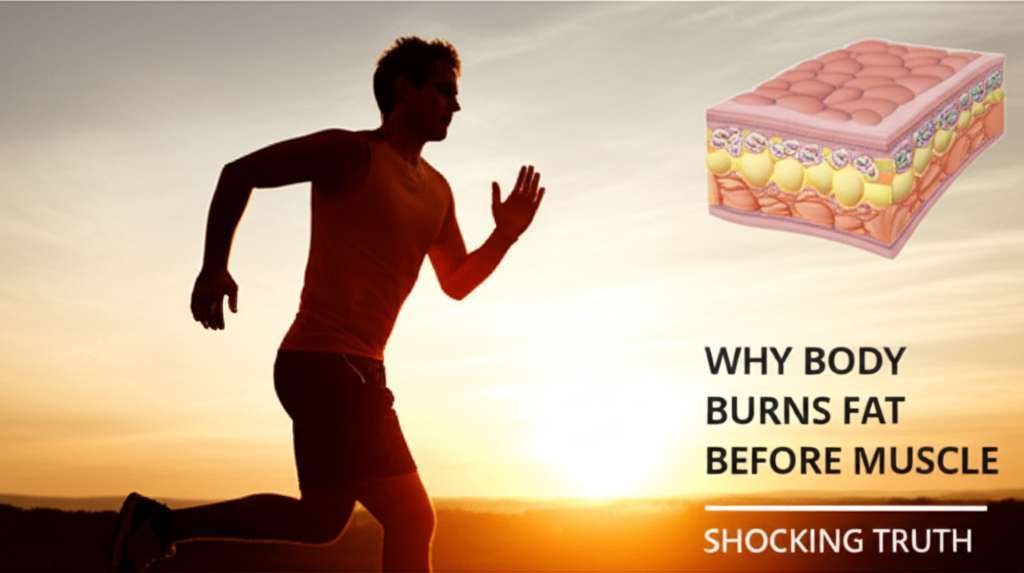
For your body, that easiest fuel is often stored fat. It’s like having a reserve tank ready to go! Muscle, on the other hand, is super important for keeping you strong and moving well. Your body wants to protect that precious muscle.
Your Body’s Fueling Strategy: Fat is King!
When you start exercising or need extra energy, your body looks for the quickest way to get it. It has a few options, like carbs (sugar) and fat. Here’s the cool part: your body is wired to use fat for energy, especially during longer, moderate workouts.
Think of it this way: your body sees fat as its long-term energy storage. It’s like a savings account for fuel. Muscle is more like your daily spending money – important, but not the first thing you’d dip into for a long-term energy need.
When Do We Burn Muscle? (And How to Avoid It!)
Okay, so your body is awesome at sparing muscle. But there are times when it might start to break down muscle for energy. This usually happens when your body is in a serious energy deficit for too long, or if you’re not giving it enough protein.
The good news is, for most of us just starting out or looking to lose a few pounds, this isn’t a big worry. By eating enough protein and doing a mix of cardio and strength training, you’ll be well on your way to keeping that muscle and burning fat!
Unlock Your Fat-Burning Potential: Simple Steps
Ready to put this knowledge to work? Here’s how you can encourage your body to burn more fat, faster, and keep your hard-earned muscle:
1. Get Moving with Cardio!
Cardio is your best friend for burning calories and tapping into fat stores. Aim for activities you enjoy!
- Brisk Walking: A fantastic way to start. Aim for 30 minutes most days.
- Jogging or Running: Great for burning more calories. Start slow and build up.
- Cycling: Indoors or outdoors, it’s a fun way to get your heart rate up.
- Dancing: Put on your favorite music and just move!
- Swimming: A full-body workout that’s easy on your joints.
2. Build Muscle with Strength Training
Don’t skip this! Building muscle actually helps you burn more calories even when you’re resting. It also signals to your body that you need that muscle, so it’s less likely to use it for fuel.
- Bodyweight Exercises: Squats, push-ups (on your knees is fine!), lunges, and planks are amazing.
- Lifting Weights: Start with light dumbbells or resistance bands. Focus on good form.
- Circuit Training: Move from one exercise to another with short rests.
3. Fuel Your Body Right
What you eat plays a huge role. You need enough good food to give you energy but also to signal to your body that it doesn’t need to break down muscle.
- Prioritize Protein: Chicken, fish, beans, lentils, tofu, and Greek yogurt are your allies.
- Healthy Fats: Avocados, nuts, seeds, and olive oil are great.
- Complex Carbs: Whole grains, fruits, and vegetables give you sustained energy.
- Stay Hydrated: Drink plenty of water throughout the day!
Fat-Burning Workouts: Your Go-To Guide
Different types of workouts get your body working in different ways. Here’s a quick look at how they help:
| Workout Type | How it Burns Fat | Why it Protects Muscle | Best For Beginners |
|---|---|---|---|
| Cardio (e.g., Jogging, Cycling) | Burns calories directly during the workout. Your body uses stored fat for longer sessions. | Primarily uses readily available energy sources like glycogen and fat. | Yes! Start with walking and gradually increase intensity. |
| HIIT (High-Intensity Interval Training) | Burns a lot of calories in a short time. Creates an “afterburn” effect where you continue burning calories post-workout. | Can burn muscle if done too much without enough recovery and protein. Focus on moderate HIIT. | Use cautiously. Start with shorter intervals and longer rest periods. |
| Strength Training (e.g., Lifting Weights, Bodyweight) | Builds muscle mass, which increases your resting metabolism, meaning you burn more calories 24/7. | Directly strengthens and builds muscle fibers. Signals the body to preserve muscle. | Yes! Bodyweight exercises are a perfect starting point. |
Simple Meal Ideas to Support Fat Burn
Eating well doesn’t have to be complicated. Here are some easy ideas to power your fat-burning journey:
- Breakfast: Oatmeal with berries and a sprinkle of nuts, or scrambled eggs with spinach.
- Lunch: A big salad with grilled chicken or chickpeas, a side of whole-grain bread.
- Dinner: Baked salmon with roasted broccoli, or lentil soup with a side salad.
- Snacks: An apple with almond butter, a handful of almonds, or Greek yogurt.
Your Daily Fat-Burning Checklist
Making small habits stick can lead to big changes. Try incorporating these into your day:
- Morning: Drink a glass of water as soon as you wake up.
- Mid-Morning: Go for a short walk or do a few stretches.
- Lunchtime: Choose a protein-rich meal.
- Afternoon: Take the stairs instead of the elevator.
- Evening: Prepare a healthy dinner.
- Before Bed: Plan your workout for tomorrow!
Common Mistakes to Avoid
We all make mistakes, and that’s okay! Here are a few things to watch out for so you can keep making progress:
- Not eating enough protein: This can make your body think it needs to break down muscle for fuel.
- Doing too much intense cardio without strength training: This can sometimes lead to muscle loss.
- Crash dieting: Severely cutting calories can shock your system and slow your metabolism.
- Skipping rest days: Your body needs time to recover and rebuild.
- Focusing only on the scale: Remember that muscle weighs more than fat, so the scale might not tell the whole story!
Your Sample Beginner Workout Plan
Here’s a super simple plan to get you started. Remember to listen to your body!
| Day | Activity | Duration/Notes |
|---|---|---|
| Monday | Cardio (Brisk Walk) | 30 minutes |
| Tuesday | Strength Training (Bodyweight) | Squats, Lunges, Push-ups (on knees), Plank (hold for 30 secs). 3 sets of 10-12 reps. |
| Wednesday | Rest or Light Activity | Gentle stretching or a short, easy walk. |
| Thursday | Cardio (Cycling or Dancing) | 30 minutes |
| Friday | Strength Training (Bodyweight) | Repeat Tuesday’s routine or try variations. |
| Saturday | Active Fun! | Go for a hike, play a sport, or do a longer walk. |
| Sunday | Rest | Relax and recharge. |
Frequently Asked Questions (FAQ)
How long does it take to burn fat?
Great question! It really depends on you! With consistent effort in diet and exercise, you can start to see changes in a few weeks. But remember, it’s a journey, not a race. Focus on building healthy habits!
What’s the best time to work out?
The best time is whenever you can consistently do it! Some people love morning workouts to get energized, while others prefer evenings to de-stress. Find what fits your schedule and energy levels best!
Do I need a gym to lose weight?
Absolutely not! You can get a fantastic workout at home with just your bodyweight or some simple equipment like resistance bands. Walking outdoors is also a powerful tool!
How can I stay motivated every day?
Find an accountability buddy, set small, achievable goals, track your progress, and celebrate your wins! Remember why you started. And remember, it’s okay to have off days – just get back on track the next day!
What should I eat before or after exercise?
Before, a small snack with some carbs and protein can give you energy (like a banana or a small handful of nuts). After, focus on a meal or snack with protein and carbs to help your muscles recover (like chicken breast with sweet potato or Greek yogurt with fruit).
How much water should I drink daily?
A good starting point is about 8 cups (64 ounces) a day, but you might need more if you’re exercising or it’s hot. Listen to your body – thirst is a good indicator!
How many rest days should I take?
Rest is super important for your muscles to recover and grow! For beginners, aiming for 1-2 rest days per week is a great idea. You can also have “active recovery” days with light activities like stretching or walking.
Your Fitness Journey Starts Now!
See? It’s not so scary, right? Your body is amazing, and by understanding how it works, you can make smarter choices to reach your goals. You don’t need complicated routines or drastic diets.
Just keep moving, fuel your body with good food, and be patient with yourself. Every little step you take is a victory. You’ve got this – one step, one day at a time!
As an Amazon Associate, We earn from qualifying purchases. When you purchase a product through Amazon links on pulsefitguide.com, we may earn a small commission at no extra cost to you. This helps support the site and keep our content free.
