


To lose weight on a 3000-calorie meal plan, focus on balancing nutrient-dense foods with appropriate portion sizes and regular physical activity. Incorporating lean proteins, whole grains, healthy fats, and plenty of vegetables helps keep you full and energized without excess calories. A tailored meal plan that emphasizes variety and moderation can support your weight loss goals even at higher calorie levels.
A 3000-calorie meal plan for weight loss may seem counterintuitive, but with the right food choices and portion control, it’s possible to shed pounds while maintaining energy levels. This plan revolves around nutrient-rich foods, mindful eating, and consistent exercise, allowing you to stay satisfied and avoid overeating. It’s essential to personalize your meals based on your activity level, metabolism, and nutritional needs for optimal results.
If you’re aiming to lose weight but are unsure how to structure a higher-calorie meal plan, don’t worry—it’s entirely feasible with proper planning. In this blog, we’ll explore how to create a balanced 3000-calorie meal plan that promotes fat loss, boosts energy, and keeps you feeling full throughout the day. From meal ideas to portion tips, discover how to make this plan work for your weight loss journey.

3000 Calorie Meal Plan for Weight Loss
Understanding the 3000 Calorie Meal Plan
A 3000 calorie meal plan might seem high for weight loss, but it can work if balanced correctly. This plan focuses on eating nutrient-dense foods that support fat burning and muscle growth. The key is to control portion sizes and choose healthy ingredients to avoid excess fat and sugar.
Why Choose a 3000 Calorie Meal Plan for Weight Loss?
Many people think low-calorie diets are the only way to lose weight. However, a well-structured 3000 calorie diet can help maintain energy levels and prevent hunger. It also boosts metabolism and preserves muscle mass, which aids in fat loss over time.
Balancing Macronutrients in a 3000 Calorie Meal Plan
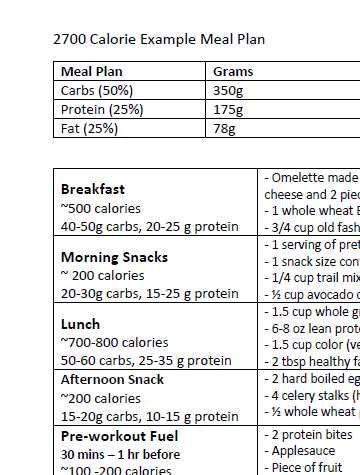
A balanced meal plan includes carbohydrates, proteins, and healthy fats. For weight loss, the typical breakdown might be:
- Carbohydrates: 40% of total calories
- Proteins: 30% of total calories
- Fats: 30% of total calories
This ensures you’re getting enough energy, supporting muscle repair, and maintaining hormone balance.
Sample Daily Breakdown of Calories
Here’s a simple way to divide your 3000 calories:
| Meal | Calories |
|---|---|
| Breakfast | 750 |
| Morning Snack | 400 |
| Lunch | 900 |
| Afternoon Snack | 400 |
| Dinner | 550 |
| Total | 3000 |
Adjust portions according to your specific needs and activity level to stay within this range.
Choosing the Right Foods for Your Meal Plan
Focus on whole, unprocessed foods to get the most nutrients with fewer empty calories. Incorporate a variety of fruits, vegetables, lean meats, and whole grains. This variety ensures you get enough fiber, vitamins, and minerals.
Healthy Protein Sources
- Chicken breast
- Turkey
- Eggs
- Greek yogurt
- Legumes
Proteins are vital for muscle repair and satiety, helping you feel full longer.
Carbohydrate Options
- Sweet potatoes
- Brown rice
- Oats
- Quinoa
- Fruits such as berries, apples, and bananas
Carbohydrates provide energy for daily activities and workouts.
Healthy Fats
- Avocados
- Nuts and seeds
- Olive oil
- Fatty fish like salmon
Fats are essential for hormone production and brain health.
Meal Preparation Tips for a 3000 Calorie Diet
Start by planning your meals ahead to avoid unhealthy snacks or last-minute choices. Use measuring tools to keep portion sizes accurate. Preparing meals in bulk saves time and helps maintain consistency.
Sample Meal Plan for a Day
Breakfast
- Oatmeal with banana and a handful of almonds
- Scrambled eggs with spinach
Snacks
- Greek yogurt with mixed berries
- Apple slices with peanut butter
Lunch
- Grilled chicken salad with olive oil vinaigrette
- Quinoa or brown rice on the side
Afternoon Snack
- Carrot sticks with hummus
- Mixed nuts
Dinner
- Baked salmon with roasted sweet potatoes
- Steamed broccoli or green beans
This plan provides a variety of nutrients while sticking to calorie goals.
Monitoring and Adjusting Your Meal Plan
Track your progress regularly using a food journal or app. If you’re not losing weight, consider reducing portion sizes slightly or increasing physical activity. Listen to your body and adapt meals to keep hunger and energy levels balanced.
Incorporating Exercise with Your Meal Plan
Combine your meal plan with regular physical activity. Strength training and cardio workouts boost calorie burn and muscle preservation. Proper nutrition supports recovery after workouts and keeps your energy high.
Tips for Success with a 3000 Calorie Meal Plan
Ensure you stay hydrated by drinking plenty of water. Avoid sugary drinks and processed snacks. Focus on whole foods and keep meals interesting with different recipes and spices.
Benefits of a 3000 Calorie Meal Plan for Weight Loss
This plan helps prevent the common problem of feeling deprived. It promotes steady weight loss without losing muscle mass or feeling fatigued. It also encourages healthier habits and a sustainable approach to dieting.
Common Challenges and How to Overcome Them
Some may find it hard to eat enough quality food or stay motivated. Prepare meals in advance and keep healthy snacks handy. Setting realistic goals also helps maintain focus and consistency.
Summary
A 3000 calorie meal plan for weight loss, when designed thoughtfully, can support fat loss and maintain energy levels. Balance is key—combine nutrient-dense foods with regular physical activity. Monitor your progress and adjust as needed to achieve your goals effectively.
This comprehensive approach ensures you get enough variety and nutrients while working towards your weight loss targets. Remember, consistency and patience are vital for lasting results.
3000 Calories 🤯 Bulking Diet Plan 🤯 #bulking #dietplan
Frequently Asked Questions
How can I ensure my 3000 calorie meal plan supports healthy weight loss?
To support healthy weight loss on a 3000 calorie meal plan, focus on choosing nutrient-dense foods that provide essential vitamins and minerals without excessive added sugars or unhealthy fats. Incorporate a balance of lean proteins, complex carbohydrates, healthy fats, and plenty of fruits and vegetables. Staying active and monitoring portion sizes also help ensure you maintain a calorie deficit while meeting your body’s nutritional needs.
What are some examples of balanced meals I can include in a 3000 calorie plan?
A balanced meal might include grilled chicken with quinoa and roasted vegetables, a large mixed greens salad topped with avocado and a variety of colorful vegetables, or a smoothie made with Greek yogurt, berries, spinach, and a tablespoon of nut butter. These options deliver a good mix of protein, healthy fats, and complex carbs, helping you meet your calorie goals healthily.
Is it necessary to track macronutrients on a 3000 calorie meal plan for weight loss?
Tracking macronutrients can be helpful to ensure you’re getting a proper balance of proteins, carbs, and fats. It helps prevent overconsumption of certain nutrients and supports maintaining energy levels and muscle mass. However, focus on whole, minimally processed foods first, and use tracking as a tool to refine your plan rather than a mandatory requirement.
Can I customize my 3000 calorie meal plan for specific dietary preferences?
Absolutely. You can tailor your plan to suit vegetarian, vegan, gluten-free, or other dietary needs by substituting suitable ingredients. For example, replace animal proteins with plant-based options like beans or tofu, and choose gluten-free grains if needed. Ensure your substitutions still meet your calorie and nutrient targets for effective weight management.
How do I prevent overeating on a high-calorie meal plan?
To avoid overeating, plan your meals with controlled portion sizes and include plenty of fiber-rich foods that promote fullness. Eating slowly and paying attention to hunger cues also help. Incorporate regular snacks if needed to maintain energy levels and prevent excessive hunger from leading to overeating during main meals.
Final Thoughts
A 3000 calorie meal plan for weight loss can be effective when tailored to individual needs. Balance nutrient-dense foods, include lean proteins, healthy fats, and plenty of vegetables. Proper portion control and meal timing support fat reduction while maintaining energy levels.
Consistency remains key for success, so stick to your plan and adjust as needed. By focusing on nutritious choices, you can reach your weight loss goals without feeling deprived.
As an Amazon Associate, We earn from qualifying purchases. When you purchase a product through Amazon links on pulsefitguide.com, we may earn a small commission at no extra cost to you. This helps support the site and keep our content free.
