

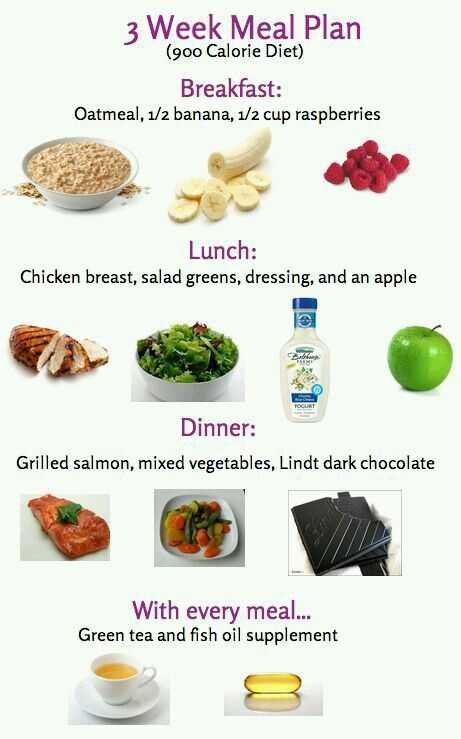
Looking to shed those extra pounds quickly? A 900 calorie meal plan can help you kickstart your weight loss journey, but it needs to be carefully planned to ensure you’re still getting essential nutrients.
In short, a 900 calorie meal plan is a low-calorie approach that can promote weight loss when combined with proper hydration and physical activity. However, it’s important to consult a healthcare professional before starting such a restrictive diet to ensure it meets your individual needs.
If you’re considering a 900 calorie meal plan to lose weight, it’s crucial to focus on nutrient-dense foods that provide vitamins, minerals, and protein while maintaining calorie restrictions. This type of plan is best suited for short-term use under supervision, as it can be challenging to sustain and may not provide all necessary nutrients for long-term health. Planning ahead with balanced meals and snacks can help you stay on track without feeling deprived.

900 Calorie Meal Plan for Weight Loss
Following a 900 calorie meal plan can help you shed pounds quickly and effectively. This plan is designed for those seeking to lose weight safely while enjoying nutritious foods. Proper planning ensures you get enough vitamins and minerals even on a low-calorie diet.
Understanding the 900 Calorie Diet
The 900 calorie diet is a calorie-restricted plan primarily used for rapid weight loss in short-term situations. It’s important to consult with a healthcare provider before starting this plan because it may not suit everyone. This diet focuses on nutrient-dense foods to prevent deficiencies.
Typically, this plan includes three main meals and sometimes a small snack. It emphasizes lean proteins, vegetables, and healthy fats to support overall health. Staying hydrated is essential, so drink plenty of water throughout the day.
Benefits of a 900 Calorie Meal Plan
- Fast weight loss results in a short period
- Helps break unhealthy eating habits
- Encourages mindful food choices
- Can improve metabolic health when supervised
However, it’s crucial to remember that this diet isn’t meant for long-term use. It can lead to nutritional deficiencies if not carefully planned.
Sample 900 Calorie Meal Breakdown
Breaking down the calories across meals helps maintain balance and prevents hunger. A typical day might look like this:
| Meal | Calories | Foods Included |
|---|---|---|
| Breakfast | 250 | Oatmeal with berries, black coffee |
| Lunch | 350 | Grilled chicken salad with olive oil, mixed greens, cherry tomatoes |
| Dinner | 250 | Baked fish, steamed broccoli, small sweet potato |
| Snacks | 50 | Carrot sticks or a small apple |
Key Components of the 900 Calorie Meal Plan
Lean Proteins
Including lean proteins like chicken breast, fish, turkey, or plant-based options helps preserve muscle mass during weight loss. Aim for at least 20 grams of protein per meal.
Vegetables
Vegetables provide fiber, vitamins, and minerals with low calories. Include a variety of colorful vegetables like spinach, bell peppers, and asparagus.
Healthy Fats
Incorporate small amounts of healthy fats from sources like olive oil, avocado, or nuts. These fats support brain health and satiety without exceeding calorie limits.
Whole Grains and Fruits
Choose whole grains like oats and brown rice, and fruits such as berries and apples to add fiber and antioxidants. Keep portions small to stay within your calorie goal.
Sample Meal Ideas for a 900 Calorie Plan
Breakfast Options
- Greek yogurt with berries and a teaspoon of honey
- Oatmeal topped with sliced banana and a sprinkle of cinnamon
- Vegetable omelet made with egg whites and spinach
Lunch Options
- Grilled chicken with mixed vegetable salad and balsamic dressing
- Turkey and vegetable wrap with a side of raw cucumber slices
- Shrimp stir-fry with broccoli and peppers over cauliflower rice
Dinner Options
- Baked salmon with steamed green beans and a small sweet potato
- Tofu curry with mixed vegetables served with a small portion of brown rice
- Grilled lean beef with roasted Brussels sprouts and a side salad
Meal Planning Tips for Success
- Prepare meals in advance to avoid impulsive eating
- Use measuring tools to keep portions accurate
- Focus on foods that are high in nutrients but low in calories
- Avoid processed snacks, sugary drinks, and high-calorie condiments
- Eat slowly to recognize fullness cues and prevent overeating
Physical Activity and Hydration
Adding light exercise like walking or yoga can enhance weight loss. Always stay well-hydrated by drinking water, herbal teas, or infused water with fruits or herbs. Avoid sugary drinks, which can add unnecessary calories.
Maintain a balanced approach to exercise and diet, ensuring safety and sustainability. Consistent hydration helps control hunger and supports metabolic function.
Monitoring and Adjustments
Track your food intake using apps or journals to stay within the calorie limit. Keep an eye on energy levels and overall well-being. If you experience dizziness or fatigue, consult a healthcare professional immediately.
Adjust the plan as needed based on your progress, but avoid drastically reducing calories further without medical advice.
Potential Challenges and How to Overcome Them
- Hunger pangs: Incorporate high-fiber foods and stay hydrated to help manage hunger.
- Lack of energy: Ensure adequate protein and healthy fats to support energy needs.
- Social situations: Plan meals ahead and communicate your goals to friends and family for support.
Stay committed and remember that this plan is temporary and should be followed with guidance from a healthcare provider.
Important Considerations and Safety
The 900 calorie diet is not suitable for everyone, especially pregnant or breastfeeding women, or those with medical conditions. It should be used under medical supervision for short periods only.
Long-term weight management requires balanced nutrition and lifestyle changes beyond calorie restriction. Consider this plan as a tool for quick results but focus on sustainable habits afterward.
In summary, a carefully planned 900 calorie meal plan can help jumpstart weight loss, but it demands discipline, nutrient awareness, and medical guidance. By choosing nutrient-dense foods and maintaining an active lifestyle, you can reach your weight loss goals safely and effectively.
Frequently Asked Questions
Is it safe to follow a 900 calorie meal plan long-term for weight loss?
Following a 900 calorie meal plan for an extended period can pose health risks due to significant calorie restriction. It may lead to nutrient deficiencies, decreased energy levels, and metabolic slowdown. It is essential to consult a healthcare professional or a registered dietitian before starting such a plan to ensure it meets your individual needs and to develop a sustainable approach to weight management.
What foods should I include in a 900 calorie diet to stay balanced?
Include a variety of nutrient-dense foods such as lean proteins like chicken or fish, plenty of vegetables, whole grains in moderation, and healthy fats from sources like nuts or avocados. Avoid processed foods high in added sugars and unhealthy fats. Proper planning helps maintain vital vitamins and minerals while keeping within calorie limits.
Can a 900 calorie meal plan support physical activity and workouts?
A 900 calorie plan generally provides limited energy, which may not suffice for intense or frequent workouts. Light physical activity might be manageable, but engaging in strenuous exercise while on such a low-calorie diet can cause dizziness, fatigue, and muscle loss. It is advisable to adjust activity levels and consult a healthcare professional to prevent adverse effects.
How can I prevent muscle loss while following a low-calorie meal plan?
To help preserve muscle mass, include adequate protein sources in your meals, even within the calorie limit. Strength training exercises can stimulate muscle retention, but it’s important to ensure your diet provides enough nutrients. Regularly monitoring your health with a professional can guide adjustments to your plan to minimize muscle loss.
Final Thoughts
A 900 calorie meal plan for weight loss provides a structured way to reduce daily intake effectively. It emphasizes balanced meals with lean proteins, vegetables, and healthy fats, ensuring nutrition while cutting calories. This approach helps maintain energy levels and supports sustainable weight loss. Following such a plan keeps you on track and promotes healthier eating habits over time.
As an Amazon Associate, We earn from qualifying purchases. When you purchase a product through Amazon links on pulsefitguide.com, we may earn a small commission at no extra cost to you. This helps support the site and keep our content free.