

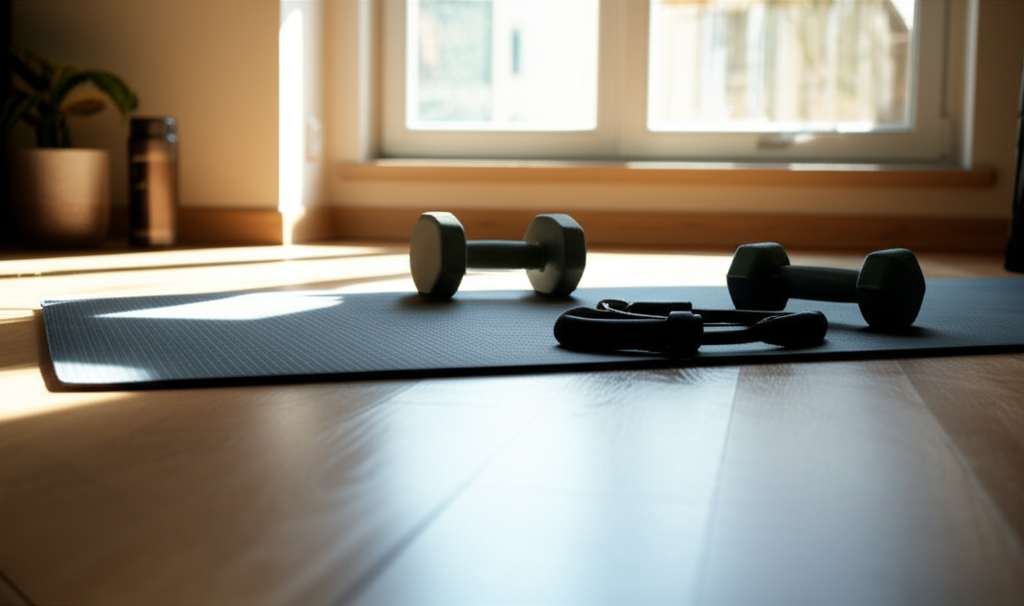
5 best morning workouts for weight loss are: brisk walking, jogging, high-intensity interval training (HIIT), yoga, and bodyweight strength training. These exercises boost metabolism, burn calories efficiently, and set a positive tone for the day, making them ideal for beginners aiming to lose weight.
Waking up and facing a workout can feel like a huge hurdle, especially when you’re trying to lose weight. It’s easy to feel overwhelmed by all the different advice out there.
But what if I told you that starting your day with the right kind of movement could make a real difference? It’s not about punishing yourself; it’s about setting yourself up for success.
We’ll break down five simple, effective morning workouts that are perfect for beginners. You’ll learn exactly why they work and how to fit them into your busy schedule.
Why Morning Workouts for Weight Loss?
Getting your workout done in the morning can be a game-changer for weight loss. It’s not just about ticking a box; there are some science-backed reasons why this timing can be so beneficial.
When you exercise first thing, you kickstart your metabolism. This means your body starts burning more calories from the moment you wake up, even before you’ve had breakfast. This effect can last for hours after your workout is finished.
Morning workouts can also help you make healthier choices throughout the day. Feeling accomplished from your early sweat session often leads to better food decisions and less mindless snacking.
Furthermore, it helps establish a consistent routine. Life gets busy, and it’s easy for evening plans or fatigue to derail a workout. By getting it done early, you’re less likely to skip it.
Finally, morning exercise can improve your mood and energy levels. It’s a natural way to wake up your body and mind, setting a positive and productive tone for the rest of your day. This mental boost is incredibly helpful when you’re on a weight loss journey.
The 5 Best Morning Workouts for Weight Loss
Let’s dive into the specific workouts that are fantastic for kickstarting your weight loss journey. These are chosen because they are accessible, effective, and can be adapted to any fitness level.
1. Brisk Walking
Brisk walking is often overlooked, but it’s a powerhouse for weight loss, especially for beginners. It’s low-impact, meaning it’s gentle on your joints, and you can do it almost anywhere.
How it helps with weight loss: Walking burns calories, and the faster you walk, the more you burn. It also helps build stamina and can improve your cardiovascular health. A consistent brisk walk can contribute significantly to a calorie deficit needed for weight loss.
Getting started:
- Aim for at least 30 minutes of brisk walking.
- You should feel your heart rate increase, and you should be able to talk but not sing.
- Start with a pace that feels comfortable and gradually increase your speed and duration over time.
- Consider incorporating inclines (hills) to increase the intensity and calorie burn.
Tips for beginners:
- Wear comfortable shoes that provide good support.
- Stay hydrated by drinking water before and after your walk.
- Listen to your body and don’t push too hard, especially in the beginning.
- Make it enjoyable by listening to music, a podcast, or walking with a friend.
2. Jogging or Running
Once you’ve built a base with walking, jogging or running is the next step up for burning more calories and improving your fitness.
How it helps with weight loss: Running is a fantastic calorie-burning activity. It’s a high-impact exercise that elevates your heart rate significantly, leading to greater calorie expenditure both during and after the workout (the “afterburn effect”).
Getting started:
- Start with a run-walk program. For example, jog for 1 minute, then walk for 2 minutes, and repeat this for 20-30 minutes.
- Gradually increase the jogging intervals and decrease the walking intervals as you get fitter.
- Focus on consistency rather than speed.
- Find a safe and relatively flat route to begin with.
Tips for beginners:
- Invest in good running shoes to prevent injuries.
- Warm up with dynamic stretches (like leg swings and arm circles) and cool down with static stretches.
- Proper form is important: keep your body upright, look ahead, and land softly.
- Consider using a running app or a GPS watch to track your progress.
3. High-Intensity Interval Training (HIIT)
HIIT workouts involve short bursts of intense exercise followed by brief recovery periods. They are incredibly efficient for burning calories in a short amount of time.
How it helps with weight loss: HIIT is known for its ability to maximize calorie burn in minimal time. The intense nature of the exercise significantly boosts your metabolism, leading to a higher calorie burn even after your workout is complete. This is often referred to as the EPOC (Excess Post-exercise Oxygen Consumption) effect.
Getting started:
- Choose 4-6 exercises (e.g., jumping jacks, high knees, burpees, mountain climbers).
- Perform each exercise at maximum effort for 20-30 seconds.
- Rest for 10-20 seconds between exercises.
- Complete 3-4 rounds of the circuit.
- Total workout time can range from 10 to 30 minutes.
Tips for beginners:
- Start with shorter work intervals and longer rest periods (e.g., 20 seconds work, 40 seconds rest).
- Focus on proper form to avoid injury, even if it means going slower.
- Don’t do HIIT every day; allow your body at least 24-48 hours of rest between sessions.
- Many bodyweight HIIT routines require no equipment, making them very accessible.
Here’s a sample beginner HIIT routine:
| Exercise | Work Interval | Rest Interval | Rounds |
|---|---|---|---|
| Jumping Jacks | 30 seconds | 30 seconds | 3 |
| Bodyweight Squats | 30 seconds | 30 seconds | |
| High Knees | 30 seconds | 30 seconds | |
| Push-ups (on knees if needed) | 30 seconds | 30 seconds |
4. Yoga
Yoga is more than just stretching; it’s a holistic practice that can significantly support weight loss goals through mindfulness, strength building, and improved body awareness.
How it helps with weight loss: While not as high in immediate calorie burn as HIIT, yoga helps with weight loss in several key ways. It builds lean muscle mass, which boosts your resting metabolism. The focus on mindfulness can reduce stress and emotional eating. It also improves flexibility and balance, which can support more intense workouts.
Getting started:
- Begin with beginner-friendly yoga styles like Hatha or Vinyasa Flow.
- Look for online classes or apps designed for beginners.
- Focus on learning basic poses (asanas) like Downward-Facing Dog, Warrior poses, and Cat-Cow.
- Aim for 20-45 minutes per session.
Tips for beginners:
- You don’t need fancy gear. A yoga mat is helpful for grip and comfort.
- Listen to your body and avoid pushing into pain.
- Focus on your breath (pranayama) as it’s a core part of yoga.
- Consistency is key; even short daily sessions can yield great benefits.
You can find excellent beginner yoga resources from reputable organizations like Yoga Journal, which offers pose guides and class suggestions.
5. Bodyweight Strength Training
Using your own body weight to build strength is an incredibly effective and accessible way to boost your metabolism and burn calories, especially for weight loss.
How it helps with weight loss: Building muscle is crucial for weight loss because muscle tissue burns more calories at rest than fat tissue. Bodyweight exercises can be done anywhere, require no equipment, and can be modified for all fitness levels. They help create lean muscle, which increases your overall metabolic rate.
Getting started:
- Focus on compound movements that work multiple muscle groups.
- Examples include: Squats, Lunges, Push-ups, Planks, Glute Bridges.
- Aim for 2-3 sets of 10-15 repetitions for each exercise.
- You can create a circuit of 5-7 exercises and move from one to the next with minimal rest.
- Start with 2-3 sessions per week, allowing rest days in between.
Tips for beginners:
- Master the form of basic exercises before adding complexity.
- Watch videos or follow along with guided routines to ensure correct technique.
- Progression can involve increasing reps, sets, decreasing rest, or trying harder variations (e.g., incline push-ups to standard push-ups).
- Remember to breathe throughout the movements.
Here’s a simple bodyweight circuit:
| Exercise | Sets | Reps | Rest between sets |
|---|---|---|---|
| Bodyweight Squats | 3 | 12-15 | 45-60 seconds |
| Push-ups (on knees or toes) | 3 | As many as possible (AMRAP) with good form | 45-60 seconds |
| Walking Lunges | 3 | 10-12 per leg | 45-60 seconds |
| Plank | 3 | Hold for 30-60 seconds | 45-60 seconds |
| Glute Bridges | 3 | 15-20 | 45-60 seconds |
Making Your Morning Workout Routine Stick
Starting a new habit can be tough, but there are ways to make your morning workouts a consistent part of your life. It’s all about making it as easy and enjoyable as possible.
Prepare the night before. Lay out your workout clothes, pack your gym bag, or set up your home workout space. This removes a barrier when you’re still sleepy.
Set realistic goals. Don’t aim to run a marathon on your first day. Start small, like a 15-minute walk, and gradually increase the duration and intensity. Celebrate small wins!
Find an accountability partner. This could be a friend you schedule walks with or a family member who also wants to get active. Knowing someone is expecting you can be a great motivator.
Make it enjoyable. Listen to music, podcasts, or audiobooks. Try different types of workouts to keep things interesting. If you dread your workout, you’re less likely to stick with it.
Focus on how you feel. Pay attention to the increased energy, improved mood, and sense of accomplishment after your workout. These positive feelings will reinforce the habit.
Be patient and persistent. There will be days you don’t feel like working out. That’s okay! The key is to get back on track the next day. Consistency over time is what leads to lasting results.
Nutrition and Hydration for Morning Workouts
What you eat and drink, especially around your morning workout, plays a big role in your energy levels and weight loss success.
Hydration is key. Drink a glass of water as soon as you wake up. This rehydrates your body after sleep and helps kickstart your metabolism. You should also drink water before, during (if needed), and after your workout.
Pre-workout fuel: For lighter workouts like walking or yoga, you might not need to eat beforehand. If you feel you need something, a small, easily digestible snack like half a banana or a few almonds about 30-60 minutes before can provide energy.
Post-workout nutrition: After your workout, especially if it was intense, it’s important to refuel. Aim for a balanced meal or snack that includes protein and carbohydrates within an hour or two. This helps with muscle recovery and replenishes energy stores.
Examples of post-workout snacks/meals:
- Greek yogurt with berries and a sprinkle of granola.
- A smoothie with protein powder, fruit, and spinach.
- Oatmeal with nuts and seeds.
- Scrambled eggs with whole-wheat toast.
For comprehensive guidance on nutrition for weight loss and exercise, resources like the National Institute of Diabetes and Digestive and Kidney Diseases (NIDDK) offer evidence-based information.
Frequently Asked Questions (FAQ)
Q1: How long should my morning workout be for weight loss?
A1: For beginners, aim for 20-30 minutes most days of the week. Consistency is more important than duration when you’re starting. As you get fitter, you can gradually increase the time or intensity.
Q2: Should I eat before my morning workout?
A2: For light to moderate workouts like walking or gentle yoga, many people can work out on an empty stomach (fasted) or with a very light snack (like a banana) 30-60 minutes prior. For more intense workouts like HIIT or running, a small, easily digestible carb-rich snack might be beneficial to provide energy.
Q3: What if I’m not a morning person? Can I still do morning workouts?
A3: Yes! It takes time to adjust. Start by waking up just 15-20 minutes earlier and doing a very short, simple activity. Gradually extend the time and intensity. Prepare your workout clothes the night before to make it easier to get started.
Q4: How quickly will I see results from morning workouts?
A4: Weight loss results depend on many factors, including diet, consistency, and the intensity of your workouts. You might start noticing increased energy and better sleep within a couple of weeks. Visible changes in weight or body composition typically take 4-8 weeks of consistent effort.
Q5: Can I do the same morning workout every day?
A5: While consistency is good, it’s best to vary your workouts. Doing the same thing every day can lead to plateaus and increase the risk of overuse injuries. Mix in different types of exercise (e.g., cardio, strength, flexibility) throughout the week for well-rounded fitness.
Q6: What are the biggest mistakes beginners make with morning workouts?
A6: Common mistakes include trying to do too much too soon, not warming up or cooling down, neglecting proper nutrition and hydration, and giving up too easily. Focus on gradual progression, listening to your body, and celebrating small achievements.
Conclusion
Embarking on a weight loss journey can feel daunting, but incorporating simple, effective morning workouts is a powerful step you can take. We’ve explored five excellent options—brisk walking, jogging, HIIT, yoga, and bodyweight strength training—each offering unique benefits for calorie burning, metabolism boosting, and overall health.
Remember, the best workout is the one you’ll actually do. Start with what feels manageable, focus on building consistency, and be patient with yourself. By preparing the night before, setting realistic goals, and making your routine enjoyable, you can transform those early mornings into a consistent habit that fuels your weight loss and sets a positive tone for your entire day.
Combine these morning movements with mindful eating and proper hydration, and you’ll be well on your way to achieving your weight loss goals. You’ve got this!
As an Amazon Associate, We earn from qualifying purchases. When you purchase a product through Amazon links on pulsefitguide.com, we may earn a small commission at no extra cost to you. This helps support the site and keep our content free.