

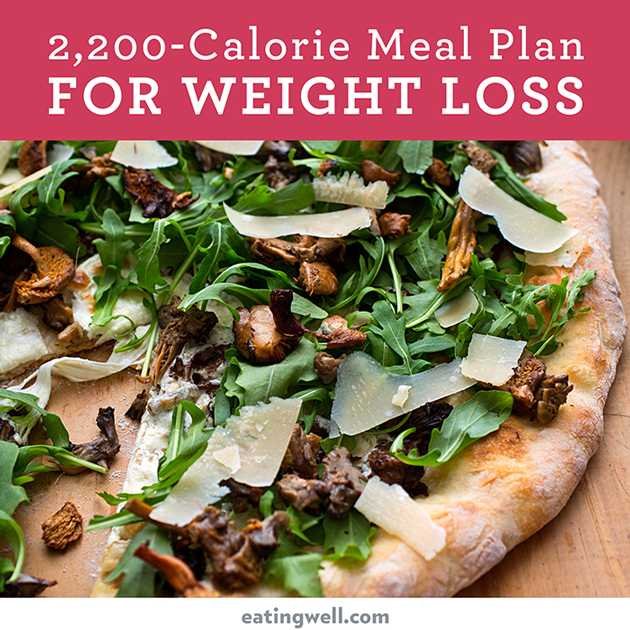
For a 2200 calorie meal plan that promotes weight loss, focus on balanced meals rich in whole foods, lean proteins, healthy fats, and plenty of vegetables. Portion control and mindful eating are key to staying within your calorie goals while feeling satisfied. Remember, consistency and choosing nutrient-dense foods are essential to achieving your weight loss goals without sacrificing flavor or satisfaction.
A 2200 calorie meal plan for weight loss is achievable when you prioritize nutrient-dense foods while managing portion sizes. It’s about blending tasty, satisfying meals with mindful eating habits that help you shed excess weight steadily. This approach balances energy intake with your body’s needs, making weight loss sustainable without feeling deprived.
Starting a weight loss journey with a 2200 calorie meal plan might seem challenging, but with the right strategy, it can be simple and enjoyable. This plan emphasizes variety, incorporating fiber-rich vegetables, lean proteins, and healthy fats that keep hunger at bay while maintaining your calorie target. Whether you’re new to calorie counting or looking for a sustainable routine, this approach helps you stay energized and on track for your weight loss goals.

2200 Calorie Meal Plan for Weight Loss
Creating a 2200 calorie meal plan for weight loss can be an effective way to shed pounds while still enjoying a variety of tasty foods. This plan balances the right amount of protein, healthy fats, and carbohydrates to keep you energized throughout the day. To make it manageable, it’s important to understand what a typical 2200 calorie diet looks like and how to distribute calories across meals.
Understanding the 2200 Calorie Daily Intake
Eating 2200 calories each day should be tailored to your age, gender, activity level, and weight loss goals. For most adults with moderate activity, this calorie level creates a deficit that encourages fat loss. It’s essential to track your food intake and adjust portions to stay within this range.
In a balanced 2200 calorie plan, different macronutrients are allocated to support your metabolism and muscle retention. Typically, this includes about 45-55% carbs, 20-30% fats, and 15-25% protein.
Sample Breakdown of Daily Calories
| Meal | Calories | Example Foods |
|---|---|---|
| Breakfast | 550 | Oatmeal with berries, a boiled egg, and a glass of skim milk |
| Mid-Morning Snack | 200 | Greek yogurt and a small apple |
| Lunch | 700 | Grilled chicken salad with mixed greens, olive oil dressing, and whole grain bread |
| Afternoon Snack | 250 | Carrot sticks with hummus and a handful of almonds |
| Dinner | 500 | Baked salmon, steamed broccoli, and quinoa |
| Evening Snack | 100 | Cottage cheese or a small portion of fruit |
Designing Your 2200 Calorie Meal Plan
To build your plan, start by selecting nutrient-dense foods that maximize satiety and provide essential vitamins and minerals. Incorporate a variety of food groups to prevent boredom and ensure you meet your nutritional needs.
Prioritize whole foods such as lean proteins, whole grains, fresh vegetables, and healthy fats. Limit processed foods, sugary snacks, and high-fat fast foods to stay within your calorie goals.
Meal Planning Tips for Weight Loss
- Use measuring cups and food scales to keep portion sizes accurate.
- Plan your meals ahead to avoid impulsive eating.
- Include a source of protein in every meal to promote fullness.
- Drink plenty of water throughout the day to stay hydrated and curb hunger.
- Balance your plate with half vegetables, one-quarter lean protein, and one-quarter whole grains.
Sample Meal Ideas for Each Meal
Breakfast Options
- Scrambled eggs with spinach and whole grain toast
- High-protein smoothie with banana, berries, and Greek yogurt
- Oatmeal topped with sliced almonds and fresh fruit
Lunch Ideas
- Turkey and vegetable wrap with a side of cherry tomatoes
- Quinoa salad with chickpeas, cucumbers, and feta cheese
- Shrimp stir-fry with assorted vegetables over brown rice
Dinner Choices
- Grilled chicken breast with roasted sweet potatoes and green beans
- Baked cod with lemon, wild rice, and steamed asparagus
- Tofu and vegetable stir-fry with spicy soy sauce over soba noodles
Balancing Macronutrients in Your Plan
Ensuring each meal contains a good amount of protein, healthy fats, and complex carbohydrates can help keep your metabolism steady and prevent fatigue. Incorporate sources like lean meats, nuts, seeds, whole grains, and vegetables.
For example, a well-balanced breakfast could include eggs, whole grain oats, and berries, providing protein, fiber, and antioxidants. Lunch might feature a grilled chicken salad with olive oil dressing, offering healthy fats and lean protein.
Healthy Snacks for Weight Loss
- Raw nuts like almonds or walnuts
- Fresh fruit such as apples or berries
- Vegetable sticks with hummus
- Low-fat Greek yogurt
- Cottage cheese with sliced peaches
Managing Cravings and Staying on Track
Cravings are natural, but it’s crucial to choose healthier options to satisfy them. Keep healthy snacks readily available and avoid keeping tempting junk foods at home. Drinking water when cravings hit can also help quell hunger signals.
Set realistic goals and remember that occasional treats are okay. Focus on consistency and making better choices most of the time to see sustainable weight loss results.
Additional Tips for Success
- Stay active with regular exercise to complement your calorie-controlled diet.
- Monitor your progress with weekly weigh-ins or measurement checks.
- Get enough sleep to support your metabolism and reduce overeating.
- Adjust your plan if weight loss stalls, possibly by reducing calorie intake slightly or increasing activity level.
Incorporating Exercise Into Your Routine
Combining your meal plan with physical activity boosts weight loss and improves overall health. Aim for at least 150 minutes of moderate exercise per week, such as brisk walking, cycling, or swimming.
Strength training a couple of times a week can help maintain muscle mass and improve metabolism. Always include warm-up and cool-down sessions to prevent injury.
Monitoring Your Progress
Use a food diary or mobile app to track your meals and calories. Set achievable weekly goals to stay motivated. Don’t forget to celebrate your milestones, no matter how small.
If progress slows, consider consulting a nutritionist or health professional who can make personalized adjustments and ensure you’re on the right track.
This 2200 calorie meal plan for weight loss offers a flexible framework that prioritizes nutritious, satisfying foods while creating a calorie deficit. By balancing meals, managing portions, and staying active, achieving your weight loss goals becomes more achievable and sustainable.
Full Day of Eating 2200 Calories (3 meals & 3 snacks) 🔥 #weightloss #recipe #whatieatinaday #diet
Frequently Asked Questions
How can I ensure my 2200 calorie meal plan provides adequate nutrients for weight loss?
To maintain proper nutrition on a 2200 calorie plan, incorporate a variety of nutrient-dense foods from all food groups. Include lean proteins, whole grains, healthy fats, and plenty of fruits and vegetables. Planning balanced meals and snacks helps prevent deficiencies while keeping calorie intake in check. Regularly monitoring portion sizes and adjusting based on your activity level can also support your health goals.
What are some effective strategies to stick to a 2200 calorie meal plan daily?
Consistent meal preparation and planning ahead make it easier to follow your calorie goals. Keep a food journal or use an app to track your intake and stay accountable. Focus on balanced meals that keep you full longer, such as those rich in fiber and protein. Establishing regular eating times and preparing snacks in advance help prevent impulsive eating, making it easier to stay on track.
Can I customize a 2200 calorie meal plan for specific dietary needs or preferences?
Absolutely. You can modify the plan to fit dietary restrictions such as vegetarian, vegan, gluten-free, or allergen-specific needs. Focus on including alternatives like plant-based proteins, gluten-free grains, or dairy-free options. Adjust portion sizes and food choices to match your preferences while maintaining the overall calorie target. Consulting with a nutritionist can also help tailor the plan effectively to your individual goals.
Final Thoughts
A 2200 calorie meal plan for weight loss provides a balanced approach to shed pounds without sacrificing essential nutrients. It emphasizes portion control and nutritious choices that keep you full and energized. Including a variety of foods ensures you enjoy your meals while reaching your goals. This plan helps maintain sustainability and promotes healthy habits in the long run.
As an Amazon Associate, We earn from qualifying purchases. When you purchase a product through Amazon links on pulsefitguide.com, we may earn a small commission at no extra cost to you. This helps support the site and keep our content free.