

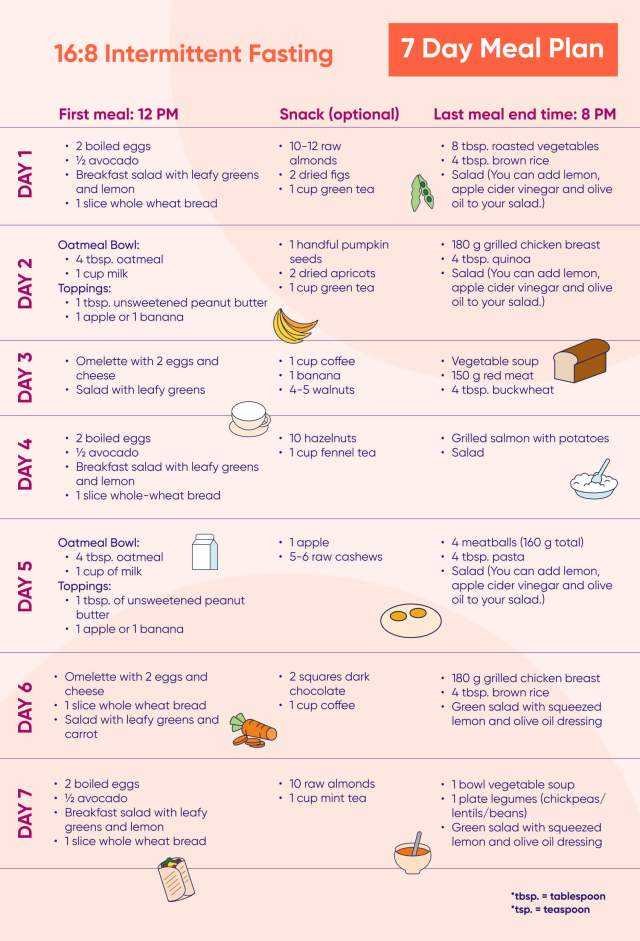
A 16:8 meal plan can be a game-changer for weight loss, helping you shed pounds by simply limiting your eating window. By fasting for 16 hours and eating within an 8-hour period, you naturally reduce calorie intake and boost fat burning. This approach is easy to follow and fits seamlessly into busy lifestyles, making it a popular choice for those looking to slim down. The key is to focus on nutritious, balanced meals during your eating window while avoiding overeating or junk food. Overall, the 16:8 plan can promote weight loss and improve metabolic health without complicated dieting rules or calorie counting, making it an effective yet sustainable strategy.
If you’re looking for an effective way to lose weight without feeling deprived, the 16:8 meal plan could be your answer. It involves restricting your eating to an 8-hour window each day, which naturally helps you consume fewer calories and encourages your body to burn stored fat. Many find this method simple and adaptable, allowing for healthy meals and plenty of flexibility. Whether you’re aiming for a gentle detox or a more aggressive weight loss goal, this plan offers a practical approach that promotes long-term lifestyle changes rather than short-term dieting fixes.
Starting a 16:8 meal plan can feel overwhelming, especially if you’re new to fasting. But it’s really quite simple: decide on an 8-hour period for eating—say, from noon to 8 pm—and stick to only consuming meals and drinks without calories during the fasting hours. This pattern aligns well with your natural hunger rhythms and can boost your metabolism while reducing overall calorie intake. The best part? You can enjoy your favorite healthy foods during your eating window, making it easier to stay committed. With consistency, many people see improvements in weight, energy, and overall health, making the 16:8 plan a manageable and effective approach to reaching your weight loss goals.

16 8 Meal Plan for Weight Loss
What Is the 16 8 Meal Plan?
The 16 8 meal plan is a type of intermittent fasting that involves fasting for 16 hours each day and eating during an 8-hour window. Many people find this method effective for weight loss because it helps reduce calorie intake naturally. It also encourages healthier eating habits and can improve metabolic health.
Why Choose a 16 8 Meal Plan for Weight Loss?
Choosing the 16 8 plan can be simple and practical for many busy individuals. It limits the hours during which you eat, making it easier to control portions and avoid unnecessary snacking. Additionally, research shows that intermittent fasting can boost fat burning and improve insulin sensitivity.
How to Get Started with the 16 8 Meal Plan
Getting started requires choosing your fasting and eating windows. Typical fasting periods are from 8 pm to 12 pm the next day, with eating occurring from 12 pm to 8 pm. It’s essential to plan balanced meals during your eating window to stay energized and satisfied.
Designing Your 16 8 Meal Schedule
You can pick a schedule that fits your lifestyle, such as eating from 11 am to 7 pm or 12 pm to 8 pm. Consistency is key for the best results, so select a timeframe that you can maintain daily. Remember to stay hydrated during fasting hours with water, herbal teas, or black coffee.
Sample Meal Plan for 16 8 Intermittent Fasting
Here is a sample schedule to guide your eating pattern:
- 12 pm: Break your fast with a high-protein meal, such as scrambled eggs with vegetables and whole-grain toast.
- 3 pm: Enjoy a snack like Greek yogurt with berries or a handful of nuts.
- 6 pm: Have a balanced dinner with lean meat or fish, vegetables, and a small portion of complex carbs.
- 7:45 pm: Finish eating, ensuring you leave enough time to digest before fasting begins again.
Foods to Focus on During the 16 8 Meal Window
Eating nutrient-dense foods can maximize your weight loss efforts. Prioritize lean proteins like chicken, turkey, eggs, and fish, which help build muscle and keep you full. Incorporate plenty of vegetables, fruits, nuts, and seeds for fiber and vitamins.
Healthy Carbohydrates
Choose complex carbs such as oats, sweet potatoes, and whole grains. These provide long-lasting energy and prevent blood sugar spikes. Avoid refined sugars and processed foods that can sabotage weight loss.
Fats for Satiety
Include healthy fats from sources like avocados, olive oil, and fatty fish. Fats help keep you full longer and support overall health.
Managing Hunger During the Fasting Period
Hunger can be a challenge at first, but staying hydrated helps suppress appetite. Drinking water, herbal teas, or black coffee can provide comfort without breaking your fast. Sometimes, shifting your meal times gradually can ease the transition.
Exercise and the 16 8 Meal Plan
Combining exercise with this fasting method enhances weight loss. Schedule workouts during your eating window or shortly before it begins. Focus on a mix of cardio, strength training, and flexibility exercises to improve overall fitness.
Best Types of Exercise for Intermittent Fasters
Light to moderate workouts like brisk walking, cycling, or yoga are well-suited. Intense training is possible but may require adjustments in your meal timing and hydration.
Potential Benefits of the 16 8 Meal Plan
Many people experience weight reduction, improved energy levels, and better metabolic health with this plan. It can also lead to decreased inflammation and improved blood sugar control. The structure of eating within a limited window simplifies daily decisions and supports sustainable habits.
Common Challenges and How to Overcome Them
Some may encounter fatigue, irritability, or headaches at first. To minimize these effects, start slowly by gradually increasing fasting duration or adjusting your eating window. Ensuring proper hydration and nutrient intake is crucial for success.
Tips for Staying Motivated
Keep track of your progress with a journal or app. Celebrate milestones and focus on how you feel rather than just the scale. Connecting with support groups or friends can also boost motivation.
Modified 16 8 Meal Plans for Different Goals
Depending on your specific goals, you can modify the plan. For example, athletes may need to adjust meal sizes or timing around training sessions. Those aiming for weight maintenance or muscle gain might incorporate more calories and protein.
Tracking Your Progress and Adjustments
Regularly monitor your weight, body measurements, and how you feel physically and emotionally. Make small changes if progress stalls, such as adjusting your eating window or food choices.
Risks and Who Should Avoid the 16 8 Plan
While generally safe, it’s best avoided by pregnant women, breastfeeding mothers, or individuals with certain medical conditions. Always consult a healthcare professional before starting any new diet or fasting plan.
Additional Tips for Success
Plan your meals ahead of time to avoid unhealthy choices. Focus on whole, minimally processed foods. Stay consistent, but be flexible enough to adapt to life’s unexpected events.
Incorporating the 16 8 Meal Plan into a Healthy Lifestyle
Combine fasting with other healthy habits like regular exercise, adequate sleep, and stress management. This holistic approach supports sustainable weight loss and overall wellness.
Related Topics
- Meal prepping tips for intermittent fasting
- Best foods to eat during your eating window
- How to deal with social situations and eating out
- Understanding calorie intake and portion control
By following a well-structured 16 8 meal plan, you can enjoy a sustainable approach to weight loss that fits into your daily routine. Focus on balanced nutrition, stay hydrated, and keep active to see the best results. Remember to listen to your body and adjust as needed to support your health and wellness journey.
Doctor explains HOW TO DO THE 16-8 INTERMITTENT FASTING DIET | Weight loss, blood sugar control
Frequently Asked Questions
How does the 16:8 meal plan support weight loss?
The 16:8 meal plan encourages eating during an 8-hour window and fasting for the remaining 16 hours each day. This approach helps reduce overall calorie intake and stabilizes blood sugar levels, which can contribute to weight loss. Additionally, fasting periods promote fat burning and improve metabolism, making it easier to lose excess weight over time.
Is the 16:8 method suitable for beginners trying to lose weight?
Yes, the 16:8 fasting approach is beginner-friendly because it doesn’t require complex dietary changes. Starting with a shorter eating window allows newcomers to gradually adapt their bodies to fasting. It’s important to listen to your body and stay hydrated, and consult a healthcare professional if you have any specific health concerns.
What foods should I focus on during the 8-hour eating window for effective weight loss?
Prioritize nutrient-dense foods such as lean proteins, whole grains, healthy fats, fruits, and vegetables. These foods help keep you full longer and provide the necessary nutrients for overall health. Avoid processed foods, sugary drinks, and high-calorie snacks to enhance weight loss results while following the plan.
Can I exercise during fasting hours on the 16:8 plan?
Yes, you can exercise during fasting hours, but it’s best to start with light to moderate workouts to see how your body responds. Some people find that exercising in a fasted state boosts fat burning, while others prefer working out during their eating window for more energy. Listen to your body and adjust your routine accordingly.
Are there any potential risks associated with the 16:8 meal plan for weight loss?
While many people find success with the 16:8 plan, it may not suit everyone, especially those with certain medical conditions, pregnant women, or individuals with a history of eating disorders. It’s important to consult a healthcare provider before starting this eating pattern to ensure it fits your health needs and lifestyle.
Final Thoughts
The 16 8 meal plan for weight loss offers an effective approach to managing your diet with an intermittent fasting structure. It simplifies meal timing, making it easier to stay consistent and focused on your goals. Many find that this plan boosts energy and reduces overeating. Adopting this approach can support sustainable weight loss and improve overall well-being.
As an Amazon Associate, We earn from qualifying purchases. When you purchase a product through Amazon links on pulsefitguide.com, we may earn a small commission at no extra cost to you. This helps support the site and keep our content free.