
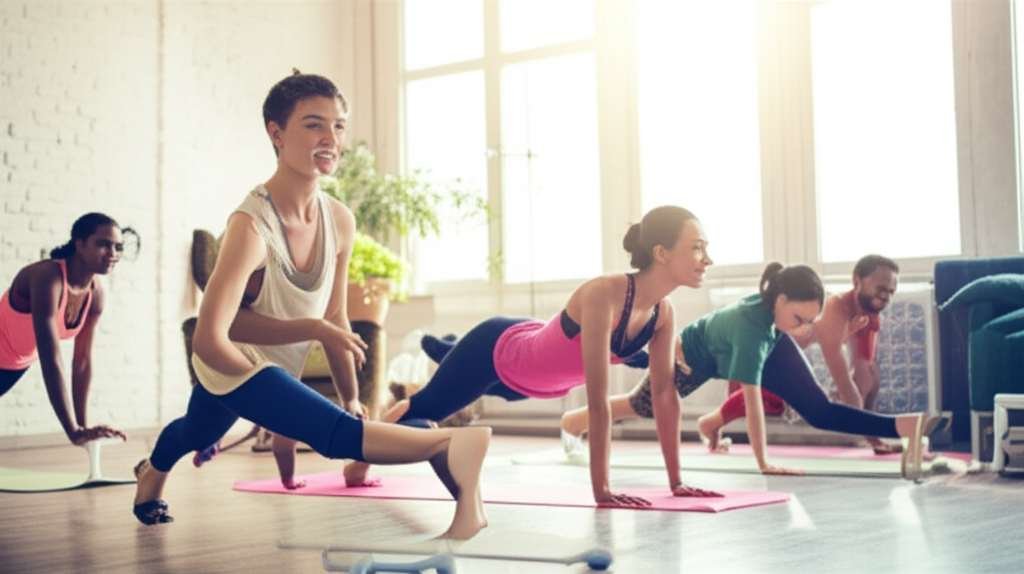
Struggling to find easy, effective workouts you can do at home? This guide gives you 15 simple exercises for teens, needing no fancy equipment, to build strength, boost energy, and feel great. Get ready to move and feel your best!
Feeling a bit lost when it comes to exercise? You’re not alone. Many teens find it tricky to know where to start with fitness, especially when gym memberships feel out of reach or complicated. It can be frustrating when you want to feel stronger and have more energy, but the options seem overwhelming.
But guess what? Getting active doesn’t have to be hard or expensive. You can get a fantastic workout right in your own home with just a little guidance. This guide is designed to make it super simple.
We’ll break down 15 effective workouts that require little to no equipment. You’ll learn how to do them safely and effectively, helping you build a great fitness habit that lasts.

Let’s get you moving towards a healthier, happier you!
Frequently Asked Questions
Why is it important for teenagers to exercise at home?
Exercising at home is super convenient and affordable. For teens, it helps build strong bones and muscles, improves mood, and boosts energy levels. It’s a great way to start a healthy habit without needing special gym access.
What are the benefits of home workouts for teens?
Home workouts can improve physical health by strengthening your body and increasing stamina. They also help with mental well-being by reducing stress and boosting confidence. Plus, they teach you to be self-sufficient in your fitness journey.
Do I need any special equipment for these home workouts?
Most of these workouts require no equipment at all! Some might benefit from simple items like a yoga mat for comfort or a water bottle to stay hydrated. We’ll focus on exercises using your own body weight.
How often should teenagers do these home workouts?
A good goal is to aim for at least 3-5 days a week. Listen to your body; you can start with fewer days and gradually increase. Rest days are important for your muscles to recover and get stronger.
What if I’m not very fit right now? Can I still do these workouts?
Absolutely! These workouts are designed for beginners and can be modified. You can start with fewer repetitions or shorter durations and build up as you get stronger. The key is to start and be consistent.
How can I stay motivated to do home workouts?
Try making it fun! Play your favorite music, work out with a friend or family member virtually, or track your progress to see how far you’ve come. Setting small, achievable goals can also make a big difference.
Are home workouts safe for teenagers?
Yes, home workouts are generally safe when done correctly. It’s important to warm up before exercising, cool down afterward, and focus on proper form to prevent injuries. If you have any concerns, talking to a doctor or a qualified fitness professional is a good idea.
15 Effective Home Workouts For Teenagers: Essential Guide
Getting active doesn’t require a gym membership or fancy equipment. For teenagers, building a strong foundation of fitness at home is totally achievable and incredibly beneficial. These workouts are designed to be simple, effective, and adaptable to your fitness level.
We’ll cover everything from cardio to strength training, all using your own body weight. Let’s dive into 15 fantastic home workouts that will help you feel stronger, healthier, and more confident!
Warm-Up and Cool-Down: The Essentials
Before we jump into the exercises, it’s crucial to understand the importance of warming up and cooling down. Think of it like preparing your body for a task and then helping it relax afterward.
A good warm-up increases blood flow to your muscles, making them more flexible and less prone to injury. It gets your heart rate up gently, preparing your body for more intense activity. Aim for 5-10 minutes of light cardio like jogging in place, jumping jacks, or arm circles.
A cool-down helps your body gradually return to its resting state. It can also improve flexibility and reduce muscle soreness. This typically involves gentle stretching of the major muscle groups you used during your workout. Hold each stretch for 20-30 seconds.
Cardio Boosters: Get Your Heart Pumping
Cardio, or cardiovascular exercise, is all about getting your heart rate up and improving your stamina. It’s great for heart health, burning calories, and boosting your mood.
1. Jumping Jacks
This classic exercise is a fantastic full-body cardio move. It works your arms, legs, and core all at once.
- Start standing with your feet together and arms at your sides.
- Simultaneously jump your feet out wide apart and raise your arms overhead.
- Jump back to the starting position.
- Aim for 3 sets of 15-20 repetitions.
2. High Knees
This exercise mimics running in place but with an emphasis on lifting your knees high. It’s excellent for improving cardiovascular fitness and leg strength.
- Stand with your feet hip-width apart.
- Begin to run in place, bringing your knees up towards your chest as high as possible.
- Pump your arms as you would when running.
- Continue for 30-60 seconds, aiming for 3 sets.
3. Butt Kicks
Similar to high knees, butt kicks target the hamstrings and glutes while providing a cardiovascular challenge.
- Stand with your feet hip-width apart.
- While jogging in place, kick your heels back towards your glutes.
- Keep your upper body upright and pump your arms.
- Perform for 30-60 seconds for 3 sets.
4. Mountain Climbers
This dynamic exercise works your core, shoulders, and cardio system. It’s a challenging but rewarding move.
- Start in a plank position, with your hands directly under your shoulders and your body in a straight line from head to heels.
- Bring your right knee towards your chest.
- Quickly switch legs, bringing your left knee towards your chest while extending the right leg back.
- Continue alternating legs in a running motion for 30-60 seconds. Aim for 3 sets.
Strength Builders: Sculpt Your Muscles
Strength training is vital for building lean muscle mass, which helps boost your metabolism and makes everyday activities easier. These bodyweight exercises require no equipment.
5. Squats
Squats are a fundamental exercise for building lower body strength, targeting your quads, hamstrings, and glutes. Proper form is key to avoid knee strain.
- Stand with your feet shoulder-width apart, toes pointing slightly outward.
- Keep your chest up and your back straight.
- Lower your hips as if sitting back into a chair, ensuring your knees track over your toes.
- Go down until your thighs are parallel to the floor, or as low as you comfortably can.
- Push through your heels to return to the starting position.
- Aim for 3 sets of 10-15 repetitions.
6. Lunges
Lunges are excellent for working each leg independently, improving balance and targeting quads, hamstrings, and glutes.
- Stand with your feet hip-width apart.
- Step forward with one leg, lowering your hips until both knees are bent at approximately a 90-degree angle.
- Ensure your front knee is directly above your ankle, and your back knee hovers just above the floor.
- Push off your front foot to return to the starting position.
- Alternate legs for 3 sets of 10-12 repetitions per leg.
7. Push-Ups
Push-ups are a fantastic compound exercise that targets your chest, shoulders, and triceps. For beginners, modifying them on your knees is a great start.
- Start in a plank position with your hands slightly wider than shoulder-width apart.
- Lower your chest towards the floor by bending your elbows. Keep your body in a straight line.
- Push back up to the starting position.
- Beginner Modification: Perform push-ups on your knees instead of your toes.
- Aim for 3 sets of as many repetitions as you can do with good form.
8. Plank
The plank is a powerhouse for core strength, engaging your abs, back, and shoulders. It’s all about stability.
- Start in a push-up position, then lower your forearms to the floor, keeping your elbows directly beneath your shoulders.
- Your body should form a straight line from your head to your heels. Engage your core and glutes to prevent your hips from sagging or rising too high.
- Hold this position for 30-60 seconds.
- Aim for 3 sets.
9. Glute Bridges
This exercise is fantastic for strengthening your glutes and lower back, which are often underworked.
- Lie on your back with your knees bent and feet flat on the floor, hip-width apart.
- Place your arms by your sides, palms down.
- Engage your glutes and lift your hips off the floor until your body forms a straight line from your shoulders to your knees.
- Squeeze your glutes at the top and hold for a second.
- Slowly lower your hips back down.
- Aim for 3 sets of 15-20 repetitions.
10. Crunches
Crunches are a classic exercise for targeting the abdominal muscles, helping to build core strength.
- Lie on your back with your knees bent and feet flat on the floor.
- Place your hands lightly behind your head or across your chest.
- Engage your abdominal muscles and lift your head and shoulders off the floor, keeping your lower back pressed into the mat.
- Exhale as you lift, and inhale as you lower back down.
- Aim for 3 sets of 15-20 repetitions.
Flexibility and Balance Moves: Stay Nimble
Improving flexibility and balance is just as important as building strength and endurance. These exercises help with injury prevention and improve overall body control.
11. Superman
The Superman exercise strengthens your lower back, glutes, and hamstrings, improving posture and back health.
- Lie face down on the floor with your arms and legs extended.
- Engage your back muscles and glutes to lift your arms, chest, and legs off the floor simultaneously.
- Keep your neck in a neutral position, looking down at the floor.
- Hold for a few seconds, then slowly lower back down.
- Aim for 3 sets of 10-15 repetitions.
12. Leg Raises
Leg raises are effective for targeting the lower abdominal muscles and hip flexors.
- Lie on your back with your legs extended and together. You can place your hands under your lower back for support if needed.
- Keeping your legs as straight as possible, slowly lift them towards the ceiling until they are perpendicular to the floor.
- Lower your legs slowly back down, stopping just before they touch the floor.
- Aim for 3 sets of 15-20 repetitions.
13. Bird-Dog
This exercise is excellent for improving core stability, balance, and coordination while strengthening your back and glutes.
- Start on your hands and knees, with your hands directly under your shoulders and your knees directly under your hips.
- Keep your back flat and your core engaged.
- Simultaneously extend your right arm straight forward and your left leg straight back.
- Keep your hips level and avoid arching your back.
- Hold for a few seconds, then return to the starting position.
- Repeat on the other side (left arm, right leg).
- Aim for 3 sets of 10-12 repetitions per side.
14. Calf Raises
Simple yet effective, calf raises strengthen the muscles in your lower legs, which are important for walking, running, and jumping.
- Stand with your feet hip-width apart. You can hold onto a wall or chair for balance if needed.
- Slowly rise up onto the balls of your feet, lifting your heels as high as possible.
- Hold for a second at the top, feeling the squeeze in your calves.
- Slowly lower your heels back down to the floor.
- Aim for 3 sets of 20-25 repetitions.
15. Standing Quad Stretch
This stretch targets the front of your thigh (quadriceps) and helps improve flexibility after leg exercises.
- Stand tall and use a wall or chair for balance if needed.
- Grasp your right ankle with your right hand and gently pull your heel towards your glutes.
- Keep your knees close together and feel a stretch in the front of your thigh.
- Hold for 20-30 seconds.
- Repeat on the other leg.
- Perform 2-3 stretches per leg.
Sample Weekly Workout Schedule
Here’s a sample schedule to help you integrate these home workouts into your week. Remember, this is just a suggestion, and you should adjust it based on your energy levels and recovery needs. Consistency is more important than intensity when you’re starting out.
| Day | Focus | Exercises |
|---|---|---|
| Monday | Full Body Strength | Squats, Push-ups, Lunges, Plank, Glute Bridges |
| Tuesday | Cardio & Core | Jumping Jacks, High Knees, Mountain Climbers, Crunches, Leg Raises |
| Wednesday | Rest or Active Recovery | Light stretching, walking, or complete rest. |
| Thursday | Full Body Strength | Squats, Push-ups (or knee push-ups), Lunges, Plank, Superman |
| Friday | Cardio & Balance | Butt Kicks, Mountain Climbers, Bird-Dog, Calf Raises |
| Saturday | Flexibility & Light Activity | Longer stretching session, yoga, or a brisk walk. |
| Sunday | Rest | Full rest day to allow your body to recover and rebuild. |
Making Workouts Work For You
The best workout is the one you’ll actually do! It’s important to listen to your body and adjust these exercises as needed. If an exercise feels too difficult, try doing fewer repetitions or a modified version.
For instance, if standard push-ups are too tough, drop to your knees. If you can’t hold a plank for 30 seconds, aim for 15-20 and build up. The goal is progress, not perfection.
Hydration is also key. Make sure you’re drinking enough water throughout the day, especially before, during, and after your workouts. Staying hydrated helps your body function optimally and can prevent fatigue.
Don’t forget about proper nutrition. While this guide focuses on exercise, fueling your body with healthy foods is just as crucial for energy, recovery, and overall well-being. Aim for a balanced diet with plenty of fruits, vegetables, lean proteins, and whole grains.
For more information on healthy eating for teens, the U.S. Department of Agriculture (USDA) offers great resources on MyPlate.gov, providing guidance on balanced meals and portion sizes.
Tips for Teen Fitness Success
Here are some extra tips to help you stick with your home workout routine and make it a positive part of your life:
- Find Your Why: What motivates you? Is it having more energy for sports, feeling more confident, or simply feeling healthier? Keep that reason in mind when you don’t feel like exercising.
- Schedule It In: Treat your workouts like any other important appointment. Block out time in your daily or weekly schedule.
- Make it Fun: Play your favorite music or podcasts while you work out. Try different exercises to keep things interesting.
- Buddy Up (Virtually): If possible, connect with a friend or family member to do workouts together over video chat. Accountability can be a powerful motivator.
- Track Your Progress: Keep a simple journal of your workouts. Note down how many reps you did, how long you held a plank, or how you felt afterward. Seeing improvement is incredibly rewarding.
- Be Patient: Fitness is a journey, not a race. Don’t get discouraged if you don’t see results immediately. Consistent effort over time will lead to lasting changes.
- Listen to Your Body: Rest is just as important as exercise. If you feel pain, stop. If you’re feeling overly tired, take an extra rest day.
- Celebrate Small Wins: Acknowledge your efforts! Did you complete all your planned workouts for the week? Did you do an extra rep? Celebrate these achievements!
Conclusion: Your Fitness Journey Starts Now
Getting fit as a teenager doesn’t require complicated routines or expensive gym memberships. By incorporating these 15 effective home workouts into your week, you’re taking powerful steps towards a stronger, healthier, and more energetic you.
Remember to start with a warm-up, finish with a cool-down, and listen to your body. Consistency, patience, and a positive attitude are your best tools. You have the power to build amazing habits right from your own home.
So, pick an exercise, put on some music, and get moving! You’ve got this. Your journey to a healthier lifestyle is well underway, and the results will be worth the effort.
As an Amazon Associate, We earn from qualifying purchases. When you purchase a product through Amazon links on pulsefitguide.com, we may earn a small commission at no extra cost to you. This helps support the site and keep our content free.