

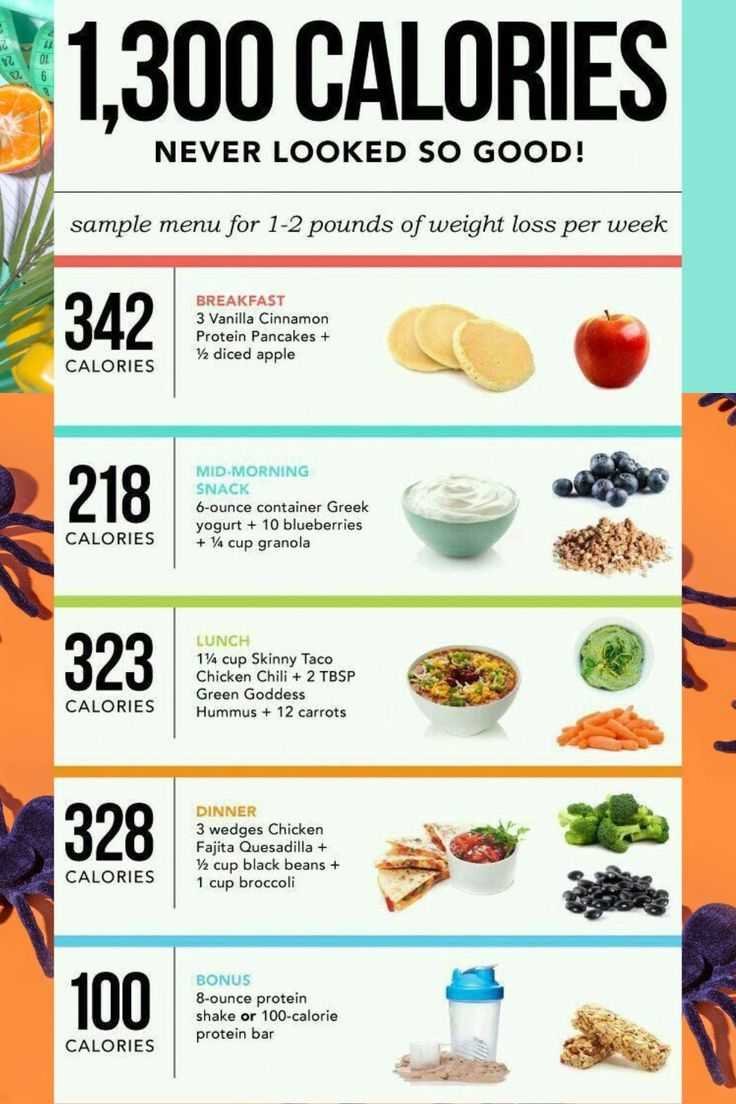
For effective weight loss on a 1300-calorie daily meal plan, focus on balanced meals that include plenty of lean proteins, vegetables, and healthy fats, while keeping portion sizes in check. This approach helps curb hunger, boost metabolism, and promote steady weight loss.
A well-structured 1300-calorie meal plan can be a powerful tool for shedding unwanted pounds, especially when combined with regular physical activity. The key is to ensure your meals are nutritious and satisfying, so you stay motivated and energized throughout the day. This article offers practical tips and a sample meal plan to help you stay on track and reach your weight loss goals efficiently.
Starting a low-calorie meal plan like this might seem challenging at first, but with the right balance of foods, it becomes easier to maintain. This plan emphasizes variety and moderation, making it sustainable without feeling restrictive. Designed for those wanting to lose weight steadily and healthily, a 1300-calorie diet can fit into your lifestyle, helping you see results while still enjoying delicious and wholesome foods.

Understanding the 1300 Calories a Day Meal Plan for Weight Loss
Following a 1300-calorie meal plan can be an effective way to shed pounds while still enjoying delicious food. This plan works by creating a calorie deficit, meaning you consume fewer calories than your body burns. It’s important to balance your meals to get enough nutrients, even at a lower calorie intake.
Why Choose a 1300-Calorie Diet?
A 1300-calorie diet helps most people reduce weight steadily without feeling overly hungry or deprived. It encourages healthy eating habits by focusing on nutrient-dense foods. This plan is suitable for many adults, especially when paired with regular physical activity.
Who Should Follow This Meal Plan?
This plan is generally recommended for women or individuals with lower daily calorie needs. However, it’s essential to consult a healthcare provider before starting any new diet. People with specific health conditions should get personalized advice.
Key Principles of a 1300-Calorie Meal Plan
Adhering to a 1300-calorie diet involves balancing macronutrients — carbohydrates, proteins, and fats. It is vital to choose wholesome, minimally processed foods that provide vital vitamins and minerals. Portion control plays a significant role in maintaining calorie limits.
Balancing Macronutrients
| Macronutrient | Appropriate Range | Examples |
|---|---|---|
| Carbohydrates | 45-50% of daily calories | Whole grains, fruits, vegetables |
| Proteins | 25-30% of daily calories | Lean meats, eggs, beans |
| Fats | 20-25% of daily calories | Healthy oils, nuts, seeds |
The Importance of Hydration
Drinking plenty of water helps control appetite and supports metabolism. Aim for at least 8 glasses daily, more if you are active or live in hot climates. Proper hydration also improves digestion and overall well-being.
Sample Daily Meal Plan Breakdown
A typical day on a 1300-calorie diet should include three main meals and one or two snacks. This structure helps keep blood sugar levels steady and prevents overeating.
Breakfast Ideas
Start your day with a nutritious breakfast that provides energy without excess calories. Examples include:
- Oatmeal with fresh berries and a teaspoon of honey
- Scrambled eggs with spinach and a slice of whole-grain toast
- Greek yogurt topped with sliced banana and nuts
Each option keeps calories within 300-350 while offering fiber, protein, and healthy fats.
Lunch Options
Lunch should be filling but not heavy. Focus on vegetables, lean proteins, and whole grains. Examples include:
- Grilled chicken salad with mixed greens and vinaigrette
- Quinoa bowl with roasted vegetables and chickpeas
- Turkey wrap with lettuce, tomato, and hummus
Most lunches stay within 350-400 calories, providing long-lasting energy.
Dinner Suggestions
For dinner, aim for a balanced plate with vegetables, lean protein, and some healthy carbs. Examples are:
- Baked salmon with steamed broccoli and brown rice
- Stir-fried tofu with assorted vegetables and jasmine rice
- Grilled shrimp with roasted sweet potatoes and asparagus
Keep dinner around 400-450 calories to finish your day comfortably.
Healthy Snack Ideas
Snacks help prevent hunger between meals and can provide important nutrients. Ideas include:
- A small apple with a tablespoon of almond butter
- Carrot sticks with hummus
- A handful of mixed nuts
Limit snacks to approximately 100-150 calories to stay within your daily total.
Meal Planning Tips for Success
Planning ahead helps you stay on track with your calorie goals. Prepare ingredients in advance and portion meals to avoid overeating. Use measuring cups and a food diary or app to track your intake effectively.
Shopping List Essentials
Creating a shopping list focused on nutrient-rich foods streamlines your grocery trips. Include:
- Fresh fruits and vegetables
- Whole grains like oats, brown rice, and whole wheat bread
- Lean proteins such as chicken, fish, beans, and eggs
- Healthy fats like avocados, nuts, and olive oil
Meal Prep Strategies
Batch cooking and prepping ingredients save time and help control portions. For example, cook large batches of rice or roasted vegetables and store them for use throughout the week. Pre-portion snacks and meals to avoid impulsive eating.
Exercise and Lifestyle Integration
Combining your meal plan with regular exercise accelerates weight loss and improves overall health. Activities like brisk walking, cycling, or yoga can be incorporated easily. Staying active on most days boosts your metabolism and enhances results.
Additional Tips for Maintaining Motivation
Set realistic goals and celebrate small achievements. Keep a journal of your food intake and progress to stay accountable. Remember, consistency is key for successful weight loss with a 1300-calorie plan.
Monitoring Your Progress
Track your weight weekly and adjust your plan if necessary. Be patient and focus on habits rather than quick fixes. Proper rest, stress management, and adequate sleep also support your weight loss journey.
Incorporating Flexibility into Your Meal Plan
While sticking to 1300 calories is important, allow occasional treats to avoid feelings of deprivation. Choose healthier versions of your favorite foods and practice moderation. Flexibility keeps your diet sustainable long-term.
Adjustments for Different Dietary Needs
If you follow vegetarian, vegan, or gluten-free diets, modify your meals accordingly. Focus on plant-based proteins, gluten-free grains, and nutrient-dense foods to meet your calorie and health goals.
Addressing Common Challenges
Hunger, cravings, and social situations can be challenging. Drinking water, eating fiber-rich foods, and planning meals in advance help manage these hurdles. Seek support from friends or a nutritionist if needed.
Adopting a 1300 calories a day meal plan can be a practical approach to losing weight while enjoying satisfying meals. Focus on nutrient-dense foods, proper portion sizes, and balanced macronutrients to support your health. Remember, consistency and a positive attitude are essential to seeing results and maintaining your progress over time. Integrate physical activity, stay hydrated, and listen to your body’s cues for hunger and fullness to make your journey enjoyable and sustainable.
1300 Calorie Meal Plan For Weight Loss
Frequently Asked Questions
What are some healthy snack options to include in a 1300-calorie daily meal plan?
Healthy snacks that fit within a 1300-calorie plan include fresh fruits like apples or berries, raw vegetables such as carrots or cucumber slices, a small handful of nuts like almonds, low-fat Greek yogurt, or a hard-boiled egg. These options provide essential nutrients while keeping calorie intake in check and preventing hunger between meals.
How can I ensure I get enough protein on a 1300-calorie diet?
To meet your protein needs, incorporate lean sources like chicken breast, turkey, fish, tofu, or legumes into your meals. Including a source of protein in each meal helps preserve muscle mass and keeps you feeling full longer. Using portion control and choosing low-fat options will help stay within your calorie limits while maintaining adequate protein intake.
Are there any specific foods I should avoid on a low-calorie meal plan for weight loss?
Limit foods high in added sugars, saturated fats, and refined grains, such as sugary drinks, pastries, fast food, and processed snacks. These foods tend to be calorie-dense but low in nutrients, which can hinder your weight loss efforts and leave you feeling unsatisfied. Focus on whole, minimally processed foods to maximize your nutritional intake.
Can I include desserts or treats in a 1300-calorie meal plan?
Yes, you can incorporate small portions of desserts or treats, but it’s important to do so mindfully. Choose lower-calorie options like fresh fruit with a drizzle of honey, sugar-free gelatin, or a small piece of dark chocolate. Keep portion sizes small and enjoy these treats occasionally to maintain a balanced and satisfying diet.
What are some tips for meal prepping on a 1300-calorie plan to stay consistent?
Plan your meals ahead of time by preparing ingredients and portioning them into individual containers. Focus on batch-cooking proteins, grains, and vegetables to save time during the week. Use a food scale or measuring cups to ensure portion accuracy. Staying organized and having ready-to-eat meals helps prevent impulsive eating and keeps your daily intake aligned with your calorie goals.
Final Thoughts
A 1300 calories a day meal plan for weight loss provides a balanced approach to reducing calorie intake while maintaining essential nutrients. Selecting nutritious foods keeps you satisfied and energized throughout the day. Consistency and portion control play key roles in achieving your weight loss goals. Committing to this plan helps create sustainable progress and improves overall health.
As an Amazon Associate, We earn from qualifying purchases. When you purchase a product through Amazon links on pulsefitguide.com, we may earn a small commission at no extra cost to you. This helps support the site and keep our content free.