

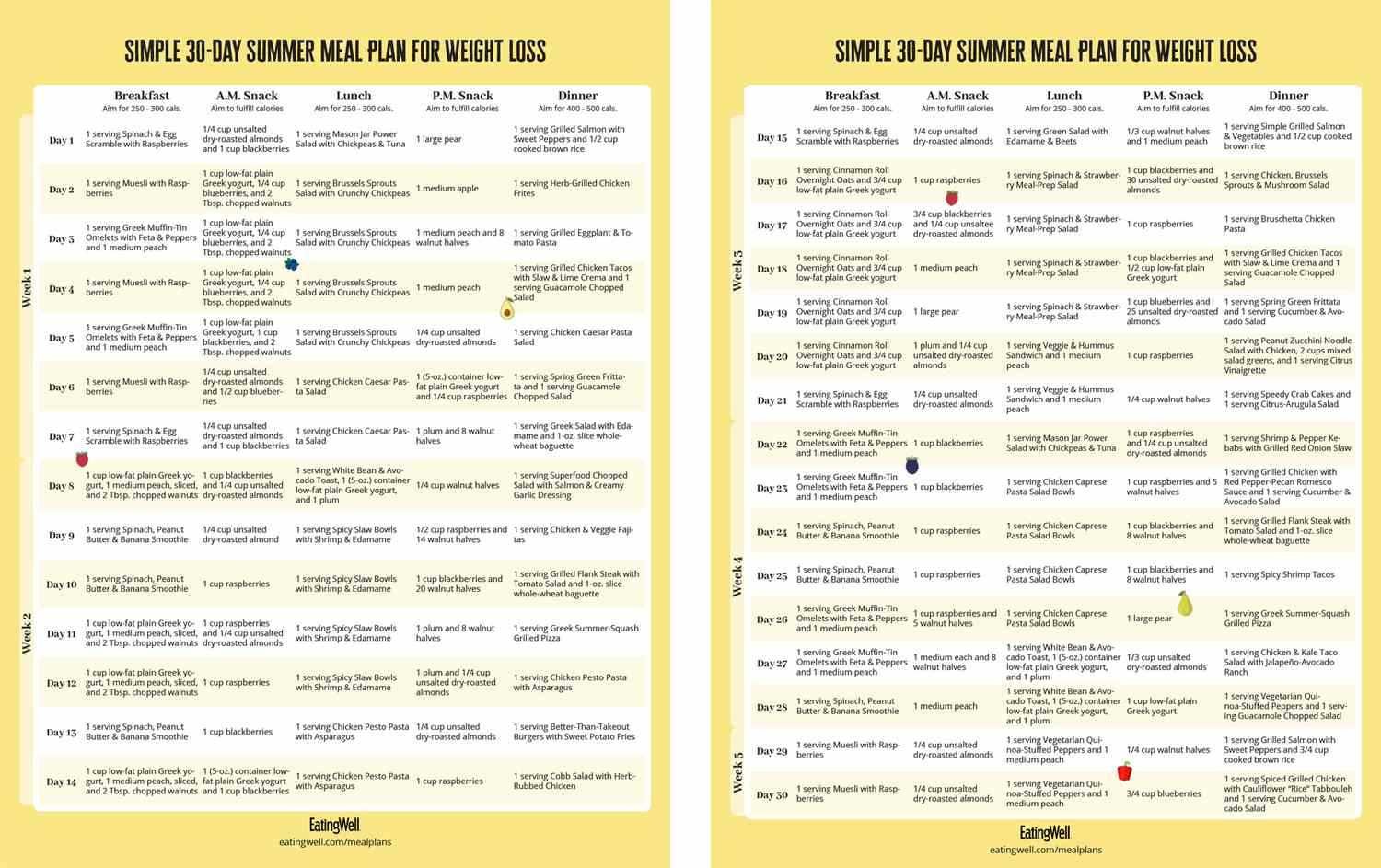
Looking to shed those extra pounds quickly and effectively? A well-structured 1-month meal plan can make all the difference in reaching your weight loss goals without feeling deprived. The key is balancing tasty, nutritious foods with the right portion sizes to keep you energized and satisfied.
A month-long meal plan focused on weight loss provides a clear roadmap, combining healthy meals, controlled calorie intake, and mindful eating habits. It simplifies decision-making, helps prevent overeating, and encourages consistency. By sticking to a balanced plan, you’ll see gradual, sustainable results while enjoying a variety of delicious foods.
Starting a weight loss journey can seem overwhelming, but with a strategic and enjoyable meal plan, success becomes more attainable. This guide will give you practical tips and ideas to create a month of wholesome meals that support your goals and keep you motivated every step of the way.

1 Month Meal Plan for Weight Loss: A Complete Guide to Shedding Pounds Safely and Easily
Understanding the Basics of a 1 Month Meal Plan for Weight Loss
A well-structured meal plan helps you stay on track with your weight loss goals. It ensures you eat nutritious foods while controlling calories. Having a plan like this makes it easier to avoid unhealthy snacking and overeating.
A 1 month meal plan focuses on creating a balanced diet. It includes the right mix of proteins, carbs, fats, vegetables, and fruits. This balance is essential for maintaining energy and feeling full throughout the day.
Benefits of Following a 1 Month Meal Plan for Weight Loss
Following a structured plan can lead to steady weight loss. It reduces the risk of overeating and helps you develop healthier eating habits. Plus, it saves time because you already know what to cook each day.
Additionally, it promotes better digestion and boosts metabolism. When you include nutritious foods, your body gets the vitamins and minerals it needs. This can improve overall health while helping you shed pounds.
How to Create a 1 Month Meal Plan for Weight Loss
Start by setting realistic goals and determining your daily calorie needs. Most plans recommend between 1200 and 1500 calories per day for safe weight loss. Use an online calculator or consult a dietitian to find your ideal intake.
Next, choose a variety of healthy foods that you enjoy. Balance meals with lean proteins like chicken or fish, whole grains such as brown rice, and plenty of vegetables. Incorporate fruits for natural sweetness and fiber.
Plan your meals in advance by making weekly shopping lists. This helps you stay organized and avoid impulse buys. Remember to include healthy snacks like nuts, yogurt, or fresh fruits.
Sample 1 Week Meal Plan for Weight Loss
Here’s a simple example to get started. Each day includes breakfast, lunch, dinner, and optional snacks:
- Monday: Oatmeal with fresh berries, grilled chicken salad with mixed greens, baked salmon, and a handful of almonds.
- Tuesday: Low-fat Greek yogurt with honey and walnuts, turkey sandwich on whole wheat bread, stir-fried vegetables with tofu, and an apple.
- Wednesday: Smoothie with banana and spinach, quinoa salad with chickpeas, roasted chicken with steamed broccoli, and carrot sticks.
Adjust portion sizes according to your calorie needs. Keep hydrated by drinking plenty of water throughout the day.
Meal Prep Tips for Success
Meal prepping saves time and keeps your plan on track. Dedicate a few hours each week to prepare meals in advance. Use airtight containers to store portions safely.
Cook larger batches of meals like soups, stews, or grilled meats. Freeze individual servings for quick, healthy options on busy days. Always keep a variety of healthy snacks ready to curb cravings.
Choosing the Right Foods for Your 1 Month Meal Plan
Prioritize nutrient-dense foods that support weight loss. Lean proteins like chicken breast, turkey, and fish help build muscle and keep you full.
Whole grains such as oats, brown rice, and barley provide long-lasting energy. Vegetables like spinach, broccoli, and peppers are low in calories but high in fiber and vitamins.
Limit processed foods rich in sugar and unhealthy fats. Instead, opt for natural, minimally processed foods for better results.
Incorporating Exercise Alongside Your Meal Plan
Exercise complements your meal plan and accelerates weight loss. Aim for at least 150 minutes of moderate activity each week. Activities like walking, cycling, or swimming work well.
Strength training twice a week helps build muscle, which boosts metabolism. Even simple bodyweight exercises like push-ups and squats can make a difference.
Stay consistent and find activities you enjoy to stay motivated. Remember, combining diet and exercise yields the best results.
Monitoring Your Progress
Track your food intake using apps or a journal. Monitoring helps you stay accountable and see how well your plan works. Weigh yourself weekly, not daily, to observe genuine trends.
Pay attention to how your clothes fit and your energy levels. If progress stalls, consider adjusting portion sizes or adding more physical activity. Celebrate small achievements along the way.
Adjusting Your Meal Plan as Needed
Flexibility is key to long-term success. If a particular meal doesn’t suit your taste or lifestyle, modify it rather than abandoning your plan. Incorporate new healthy recipes to keep things interesting.
Listen to your body’s signals — eat when hungry and stop when full. As you lose weight, your calorie needs may decrease, so revise your plan accordingly.
Addressing Common Challenges in a 1 Month Meal Plan for Weight Loss
Many people face obstacles like cravings, busy schedules, or emotional eating. Prepare healthy snacks to curb sugar cravings. Keep quick recipes handy for busy days.
Identify emotional triggers and find alternative ways to cope, such as walking or practicing mindfulness. Staying flexible and patient makes your journey smoother.
Tips for Maintaining Weight Loss After the 1 Month Plan
Sustaining your new habits is crucial. Continue eating balanced meals and staying active. Use your experience from the month to build a sustainable routine.
Allow yourself occasional treats in moderation. Focus on habits like meal planning, regular exercise, and mindful eating to keep your weight steady.
Related Topics to Enhance Your Weight Loss Journey
- Healthy snacks for weight loss
- Best exercises for burning calories
- Hydration tips during weight loss
- Meal prep strategies for busy lifestyles
- Understanding portion control for weight management
Having a comprehensive 1 month meal plan paired with these tips makes reaching your weight loss goals easier. Staying committed and making gradual changes can bring lasting results. With patience and consistency, you will see progress and develop healthier habits that last a lifetime.
1200 calorie meal plan for weight loss
Frequently Asked Questions
How can I ensure my 1-month meal plan supports sustainable weight loss?
To make sure your meal plan promotes long-term weight management, include a balance of nutrients such as lean proteins, whole grains, healthy fats, and plenty of fruits and vegetables. Portion control is key, so pay attention to serving sizes. Incorporate variety to prevent boredom, and avoid overly restrictive diets that might cause hunger or deprivation. Staying consistent and monitoring your progress allows you to make adjustments as needed and helps you develop healthy habits over time.
What are some effective strategies to stick to a meal plan for a month?
Planning meals ahead of time helps you avoid impulsive eating and ensures you stay on track. Prepare and portion meals in advance to save time during busy days. Keep healthy snacks available to curb cravings and prevent temptations. Track your meals using a journal or app to stay accountable. Also, stay flexible and allow yourself occasional treats to maintain a positive attitude toward your plan, which increases the chances of sticking with it long-term.
Can I include treats or indulgences while following a 1-month meal plan for weight loss?
Yes, including occasional treats can help you maintain a healthy mindset and prevent feelings of deprivation. The key is moderation. Allow yourself small indulgences while keeping overall calorie intake in check. Planning treats into your weekly menu ensures you don’t feel restricted, and it helps you stay motivated. Focus on enjoying these moments without guilt, and get back to your regular healthy eating afterward.
How should I adjust my meal plan if I experience plateaus or slow progress?
If progress stalls, review your portion sizes, calorie intake, and activity levels. Sometimes, small adjustments like reducing portion sizes slightly or increasing physical activity can help break the plateau. Consider varying your meals to prevent dietary fatigue and re-evaluate your calorie needs based on your current weight and activity. Staying patient and consistent is essential, and consulting a healthcare professional can provide personalized guidance to continue toward your goals.
Is it necessary to exercise while following a 1-month meal plan for weight loss?
While a carefully planned diet alone can promote weight loss, combining it with regular physical activity enhances results and improves overall health. Exercise helps burn extra calories, builds muscle, and boosts your metabolism. Incorporate a mix of cardio, strength training, and flexibility exercises into your routine for balanced fitness. Even moderate activity like walking or cycling multiple times a week can make a significant difference in reaching your weight loss targets.
Final Thoughts
A 1 month meal plan for weight loss offers a practical approach to healthy eating. It helps you stay consistent and avoid last-minute food decisions. Focus on balanced meals with plenty of vegetables, lean proteins, and whole grains. Tracking your progress ensures you remain motivated and make necessary adjustments. This plan simplifies your journey towards effective weight management.
As an Amazon Associate, We earn from qualifying purchases. When you purchase a product through Amazon links on pulsefitguide.com, we may earn a small commission at no extra cost to you. This helps support the site and keep our content free.