

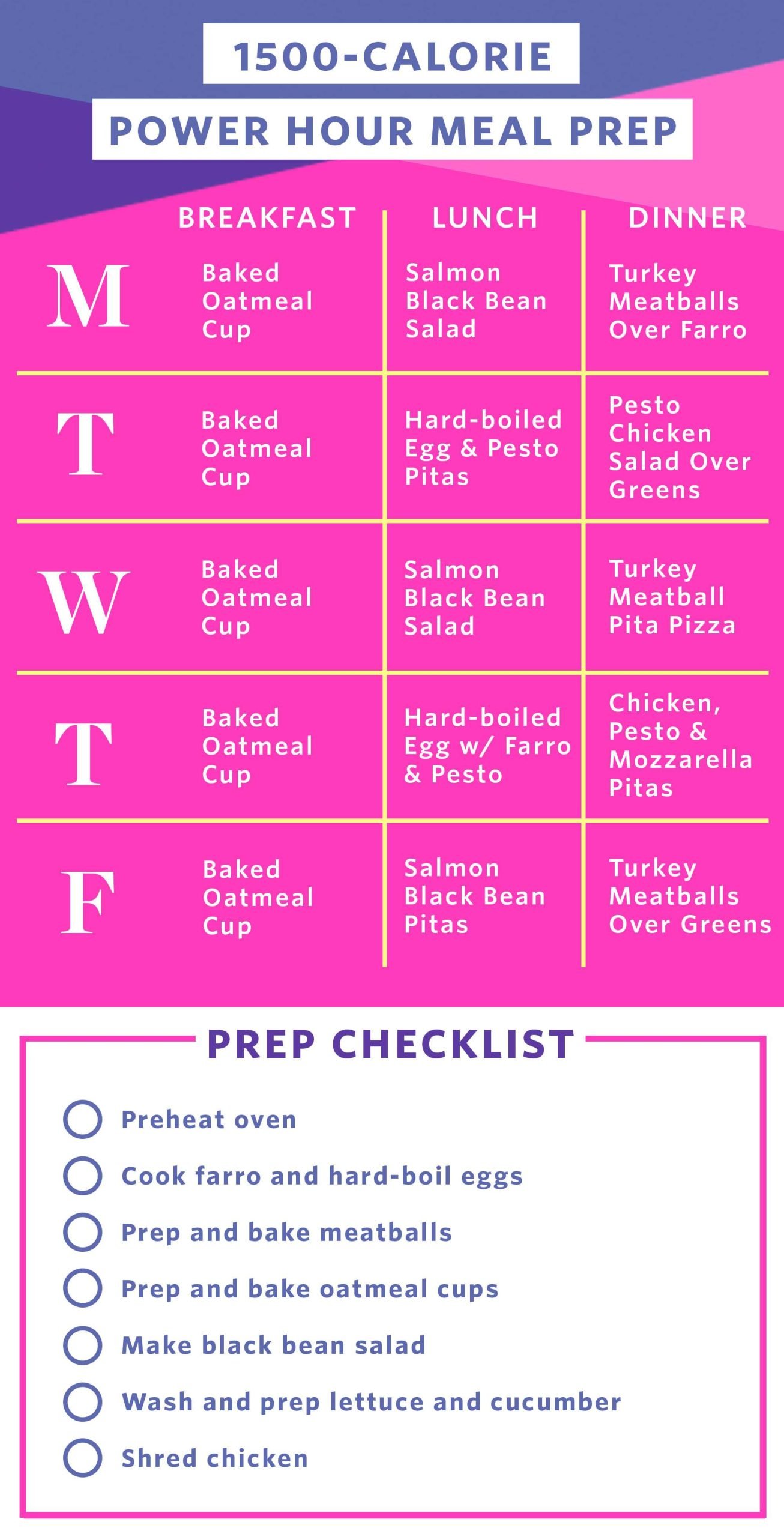
A 1,500 calorie meal plan can be an effective and sustainable way to shed pounds without feeling deprived. This balanced approach combines nutrient-dense foods to keep you full and energized while creating a calorie deficit that promotes weight loss. With careful planning, you can enjoy tasty meals that satisfy your cravings and support your goals.
In short, a 1,500 calorie meal plan for weight loss focuses on nutritious, portion-controlled meals that help reduce your daily intake steadily. It’s easy to customize based on personal preferences and dietary needs, making it a practical and enjoyable way to reach your weight loss targets.
If you’re looking to lose weight healthily, sticking to a 1,500 calorie plan can be your best bet. It encourages mindful eating, emphasizes whole foods, and balances carbs, proteins, and fats to support your metabolism. Whether you’re preparing breakfast, lunch, or dinner, this plan offers variety and flexibility, helping you stay committed without feeling hungry or deprived.

1 500 Calorie Meal Plan for Weight Loss: A Complete Guide
Understanding the 1 500 Calorie Meal Plan
A 1,500 calorie meal plan is a popular choice for those wanting to lose weight. It creates a calorie deficit, helping your body burn stored fat. This plan focuses on balanced nutrition to keep you energized and healthy.
Why Choose a 1 500 Calorie Diet?
This calorie level is low enough to promote weight loss for most adults but not so restrictive that it causes hunger or fatigue. It encourages mindful eating and portion control. Plus, it’s easy to adapt to different tastes and lifestyles.
How Does a 1 500 Calorie Meal Plan Promote Weight Loss?
Your body needs a certain amount of calories daily to function. When you eat fewer calories than you burn, your body uses stored fat for energy. Over time, this leads to gradual and sustainable weight loss.
Sample Daily Breakdown
A typical 1 500 calorie plan might look like this:
- Breakfast: 300 calories
- Lunch: 500 calories
- Snack: 200 calories
- Dinner: 500 calories
This distribution helps maintain energy levels and prevents hunger.
Essential Nutrients on a 1 500 Calorie Meal Plan
Even with fewer calories, you need to include:
- Protein: Supports muscles and keeps you full
- Healthy fats: Aid brain function and hormone production
- Complex carbohydrates: Provide sustained energy
- Vitamins and minerals: Keep your body functioning properly
Balance is key to prevent nutritional deficiencies.
Creating Your Personalized 1 500 Calorie Meal Plan
Start by calculating your daily caloric needs. Use a calculator or consult a healthcare professional. Then, select foods from each food group to meet your calorie target while ensuring variety.
Breakfast Ideas
Examples of nutritious options include:
- Oatmeal with fresh berries and a teaspoon of honey
- Two boiled eggs with a slice of whole-grain toast
- Greek yogurt with sliced banana and a sprinkle of nuts
Lunch Suggestions
Consider these options:
- Grilled chicken salad with mixed greens and vinaigrette
- Quinoa and vegetable stir-fry with a side of fruit
- Turkey and vegetable wrap with a small side of carrots
Healthy Snacks
Keep your energy up with:
- A handful of almonds
- Fresh fruit like apple slices or orange segments
- Baby carrots with hummus
Dinner Choices
Opt for wholesome meals such as:
- Salmon with steamed broccoli and brown rice
- Stir-fried tofu with vegetables and soba noodles
- Lean beef chili with beans and a side salad
Meal Preparation and Portion Control
Prepping meals ahead helps control portions and avoid impulsive eating. Use measuring cups and a food scale to ensure accuracy. Filling half your plate with vegetables can also help keep calorie count in check.
Tips for Success with a 1 500 Calorie Meal Plan
Eating mindfully and staying consistent are crucial. Drink plenty of water and avoid sugary drinks. Incorporate physical activity regularly to enhance weight loss results. Listen to your body’s hunger cues to prevent overeating.
Balancing Treats and Flexibility
Allow small indulgences occasionally to prevent feelings of deprivation. Choose lower-calorie treats and enjoy them in moderation. Flexibility makes the plan sustainable long-term.
Tracking Your Progress
Use a journal or app to log your meals and monitor calorie intake. Tracking helps identify patterns and keeps you accountable. Regularly assess your weight and body measurements to see your progress.
Addressing Common Challenges
Hunger and cravings can arise on a low-calorie plan. To combat this, include high-fiber foods and adequate protein. Ensuring adequate sleep and managing stress also support healthy weight loss.
Adapting the Plan for Different Lifestyles
Adjust meal times and food choices based on your daily routine. For busy schedules, prepare meals in advance or choose quick recipes. The key is consistency and making healthy choices accessible.
Monitoring and Adjusting Your Meal Plan
As you lose weight, your caloric needs may decrease. Regularly reassess your plan and make necessary adjustments. Flexibility helps prevent plateaus and encourages continued progress.
Related Topics
- Effective weight loss workouts
- Healthy snacks for weight management
- Meal prep tips for busy people
- Understanding macro and micronutrients
Creating a 1 500 calorie meal plan requires balance, planning, and consistency. It offers a practical approach to losing weight while still enjoying tasty, nutritious foods. Remember, lasting results come from making sustainable changes that fit your lifestyle.
21 Day Clean Eating Meal Plan 1500 Calorie RD Approved
Frequently Asked Questions
What are some common mistakes to avoid when following a 1500 calorie meal plan for weight loss?
One common mistake is neglecting to include a variety of nutrients, which can lead to nutritional deficiencies. It’s also important not to skip meals, as this can cause overeating later. Additionally, relying too heavily on processed or low-nutrient foods can hinder progress. Monitoring portion sizes and staying consistent with meal timings help ensure the plan remains effective and sustainable.
How can I ensure I get enough protein on a 1500 calorie meal plan?
Include lean sources of protein such as chicken, fish, turkey, eggs, beans, and low-fat dairy products in your meals. Incorporate these ingredients in each meal to support muscle maintenance and keep you feeling full longer. Balancing protein intake with healthy fats and complex carbohydrates helps maintain energy levels and promotes satiety throughout the day.
Is it necessary to track my calories while following this meal plan?
Tracking calories can help you stay within your daily limit and ensure you don’t unintentionally consume more than planned. Using a food diary or mobile app makes it easier to monitor your intake, identify areas for improvement, and adjust portions if needed. This practice also increases awareness about food choices and promotes better eating habits.
Can I modify the meal plan to suit my dietary preferences or restrictions?
Yes, you can adapt the meal plan to fit vegetarian, vegan, gluten-free, or other special diets. Focus on replacing ingredients with suitable alternatives that provide similar nutritional value. Planning ahead ensures you can meet your calorie and nutrient goals without sacrificing your personal dietary needs or preferences.
How should I handle snacks within a 1500 calorie plan to maintain energy levels?
Include healthy snacks such as fruits, nuts, yogurt, or vegetables with hummus to keep your energy steady. Portion control is key to prevent exceeding your calorie limit. Incorporating snacks at regular intervals helps prevent hunger, reduces overeating during main meals, and maintains your metabolic rate throughout the day.
Final Thoughts
A 1 500 calorie meal plan for weight loss offers a balanced approach to reducing calorie intake while maintaining essential nutrients. It encourages mindful eating and portion control, helping you stay on track. By combining healthy proteins, vegetables, and whole grains, this plan supports sustainable weight management. Following such a plan can make achieving your health goals more straightforward and manageable.
As an Amazon Associate, We earn from qualifying purchases. When you purchase a product through Amazon links on pulsefitguide.com, we may earn a small commission at no extra cost to you. This helps support the site and keep our content free.