

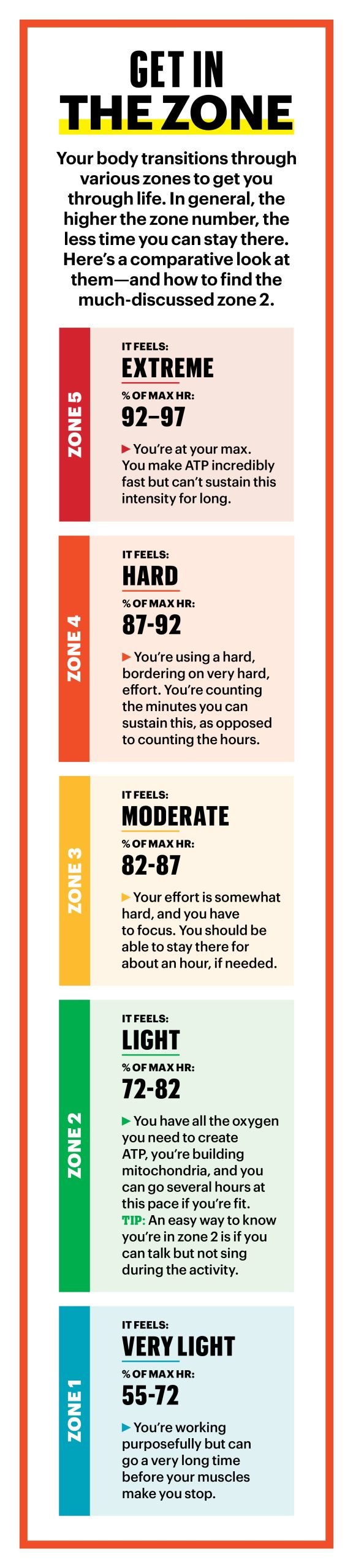
Looking to improve your endurance and burn fat efficiently? **Zone two cardio is the answer.** This type of training keeps your heart rate at 60-70% of its maximum, making it ideal for sustained activity.
Many enthusiasts find that incorporating zone two cardio boosts stamina without overexertion. It’s a simple yet effective way to enhance your overall fitness.
Engaging in regular zone two cardio sessions becomes a natural part of your routine, helping you achieve lasting results with ease.

Understanding Zone Two Cardio: The Key to Improving Your Fitness
Many people who start exercising quickly realize that not all cardio workouts are the same. Some sessions leave you breathless and exhausted, while others feel calm and sustainable. This is where zone two cardio comes into play. It offers a way to exercise that’s not only effective but also easier to stick with over time. In this section, we’ll explore what zone two cardio really is, how it works, and why it’s an essential part of a balanced fitness plan.
What Is Zone Two Cardio?
Zone two cardio is a specific level of exercise intensity. It’s often called the “fat-burning zone” because it helps your body use fat as its main fuel source. When you do zone two cardio, your heart rate stays within a moderate range, allowing you to exercise comfortably for longer periods.
Think about a scale that measures how hard your body is working. At zone two, your effort is moderate—you’re working but still able to speak in full sentences without gasping. This is different from high-intensity workouts that push your limits or low-intensity activities that are very gentle.
How to Find Your Zone Two Heart Rate
Knowing your target heart rate helps you ensure you’re exercising within zone two. Here’s how you can find it:
- Calculate your maximum heart rate (MHR): subtract your age from 220. For example, if you are 30 years old, your MHR is approximately 190 beats per minute (bpm).
- Determine your zone two range: about 60% to 70% of your MHR. Continuing the example, it would be around 114 to 133 bpm.
To make it easier, you can use a fitness tracker or a heart rate monitor during your workout. Simply check that your heart rate stays within the calculated zone two range while you exercise.
Why Is Zone Two Cardio Important?
Many fitness programs focus on high-intensity workouts because they burn calories quickly. But zone two cardio offers several benefits that make it invaluable for overall health:
- Builds Endurance: Regularly exercising in zone two helps your body become better at using fat as fuel, which increases your stamina over time.
- Supports Fat Loss: Because your body uses fat for energy at this level, it’s an effective way to reduce body fat without pushing yourself too hard.
- Reduces Stress on Joints: The moderate effort minimizes impact, making it suitable for people of all ages and fitness levels.
- Enhances Cardiovascular Health: Consistent zone two training improves your heart’s efficiency and overall circulation.
- Promotes Recovery: It’s a gentle way to stay active, especially after high-intensity workouts or injury recovery.
What Activities Count as Zone Two Cardio?
The great thing about zone two cardio is that it’s simple to incorporate into your daily routine. Almost any sustained, moderate activity can qualify, such as:
- Brisk walking
- Easy cycling or spinning
- Jogging at a comfortable pace
- Swimming laps slowly
- Rowing at a relaxed intensity
- Light hiking
The key is maintaining a steady pace that keeps your heart rate within the target zone. Keep in mind that your perceived effort should be moderate, and you should be able to carry on a conversation comfortably.
How to Incorporate Zone Two Cardio Into Your Routine
Getting started with zone two cardio doesn’t require special equipment or a gym membership. Here are some tips to make it a regular part of your fitness plan:
- Set a Schedule: Aim for at least 3 to 5 sessions per week, each lasting between 30 minutes to an hour.
- Start Slow: If you’re new to exercise, begin with shorter sessions and gradually increase the duration.
- Mix Activities: Keep your routine interesting by alternating activities like walking, cycling, and swimming.
- Monitor Your Heart Rate: Use a fitness tracker or heart rate monitor to stay within the right zone.
- Listen to Your Body: You should feel comfortable but slightly challenged. If you’re overly tired or breathless, slow down.
Common Mistakes to Avoid During Zone Two Cardio
Even though zone two cardio is straightforward, some pitfalls can reduce its effectiveness or make it less enjoyable:
- Going Too Hard: Exercising above the target zone turns it into a more intense workout and can lead to fatigue or injury.
- Not Monitoring Heart Rate: Guessing effort levels can be misleading; tracking helps you stay consistent.
- Ignoring Rest: Overdoing it can cause burnout. Incorporate rest days into your routine.
- Skipping Warm-Ups and Cool-Downs: Proper warm-up and cool-down reduce muscle soreness and prepare your body for exercise.
Tracking Your Progress With Zone Two Cardio
Keeping track of your workouts helps you see improvement and stay motivated. Here are ways to monitor progress:
| Method | Description | Benefits |
|---|---|---|
| Heart Rate Monitors | Devices that measure your pulse in real-time | Accurate and easy to maintain target zones |
| Perceived Effort Scale | Rating your effort from 1 to 10 | Simple, no equipment needed, great for beginners |
| Workout Log | Recording duration, activity, and how you felt | Visual progress and helps plan future workouts |
Remember, consistency is key. Over time, you will notice improvements in endurance, recovery, and overall well-being.
Integrating Zone Two Cardio for Different Fitness Goals
Whether you aim to lose weight, improve cardiovascular health, or simply stay active, zone two cardio can adapt to your needs. Here are some tailored suggestions:
- For Weight Loss: Combine zone two cardio with strength training for best results. Focus on longer sessions at moderate intensity.
- For Heart Health: Regular, sustained activity helps lower blood pressure and improves heart function.
- For Active Aging: Low-impact activities like walking and swimming keep you strong and mobile without stressing joints.
Incorporating zone two cardio into your routine offers a balanced and sustainable way to enhance your fitness. It boosts your endurance, aids in fat loss, and protects your joints—all while being gentle enough to enjoy regularly. Whether you’re taking a morning walk, cycling on weekends, or swimming leisurely, staying within your zone two heart rate makes your workouts more effective and enjoyable. Remember to monitor your effort, stay consistent, and choose activities that you enjoy. Over time, this approach can lead to significant health benefits and a more active, healthier lifestyle.
Frequently Asked Questions
What are the benefits of training in zone two cardio?
Training in zone two cardio enhances fat burning and improves overall endurance. It helps strengthen the cardiovascular system without putting excessive stress on the body, enabling longer workouts with less fatigue. Additionally, this zone encourages efficient oxygen utilization, which supports sustained activity and recovery.
How can I accurately determine if I am exercising in zone two?
You can use a heart rate monitor to track your heart rate during exercise. Zone two typically falls between 60% and 70% of your maximum heart rate. To estimate your max HR, subtract your age from 220. Maintaining your heart rate within this range indicates you are training in zone two, suitable for building endurance and fat metabolism.
What types of activities are most effective for zone two cardio workouts?
Moderate-intensity activities like brisk walking, cycling at a steady pace, swimming, or light jogging work well for zone two training. These exercises allow you to sustain activity over a longer period while keeping your heart rate within the target zone. Consistent engagement in these activities makes it easier to develop cardiovascular health and stamina.
Final Thoughts
In conclusion, zone two cardio offers an effective way to improve endurance and overall health. It emphasizes maintaining a moderate intensity that keeps your heart rate steady and sustainable. Incorporating zone two cardio into your routine supports fat burning and enhances cardiovascular efficiency. Prioritize this training zone for steady progress and better long-term results.
As an Amazon Associate, We earn from qualifying purchases. When you purchase a product through Amazon links on pulsefitguide.com, we may earn a small commission at no extra cost to you. This helps support the site and keep our content free.