

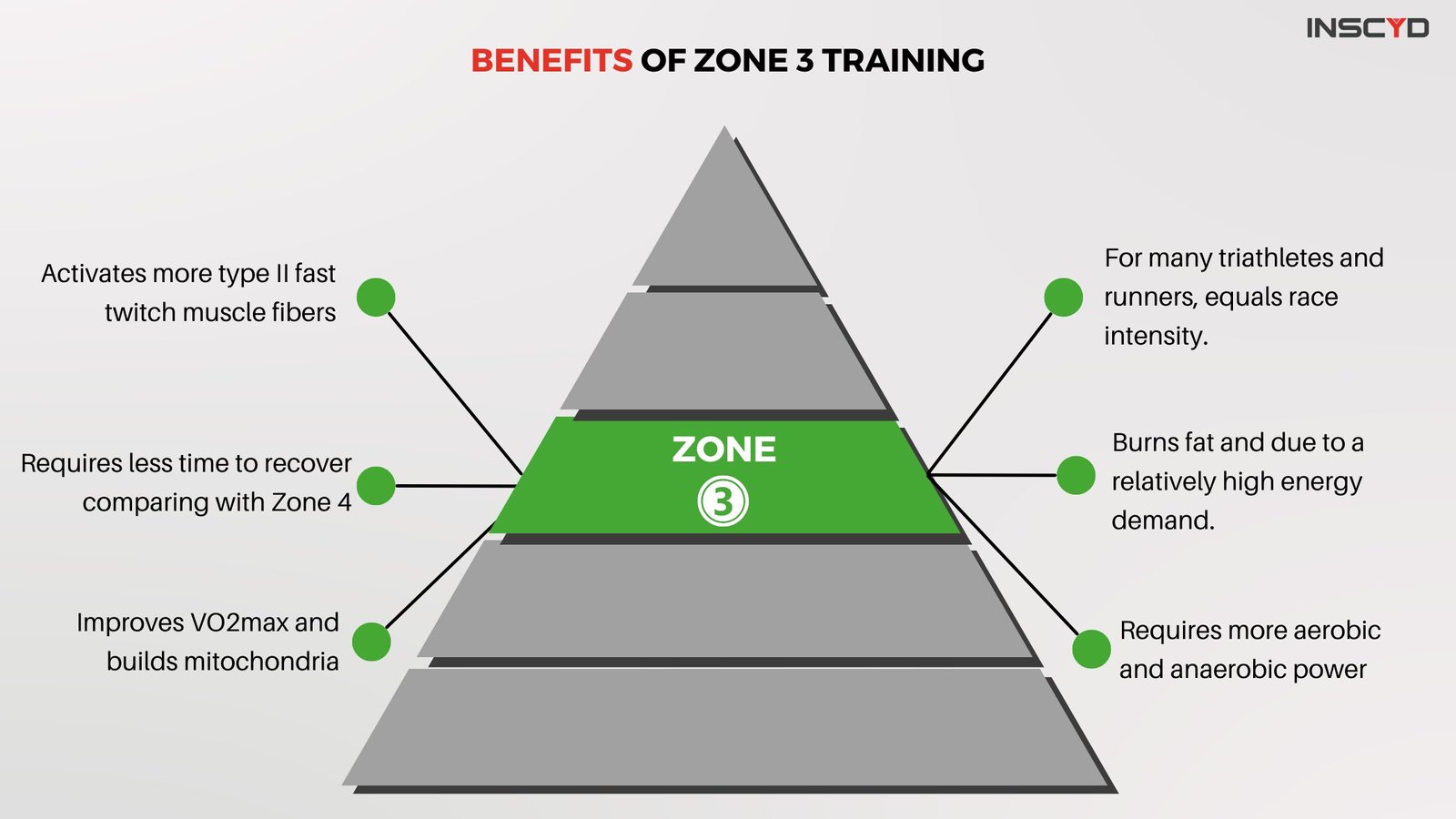
Engaging in zone 3 cardio offers a perfect balance of intensity and endurance. **It boosts cardiovascular capacity while burning calories efficiently.** This level pushes your body slightly out of comfort, helping improve stamina without causing exhaustion. Many athletes and fitness enthusiasts focus on zone 3 to enhance their overall performance and health. Understanding the specific zone benefits can motivate you to optimize your workout routine effectively.

Zone 3 Cardio Benefits: Why This Heart-Healthy Zone Matters
When you think about exercise and staying fit, it’s common to focus on going faster, lifting heavier, or running longer. But not all workouts are created equal. One popular and highly beneficial type of cardio training takes place in what’s called “Zone 3,” a moderate-intensity heart rate zone. Understanding the perks of exercising in Zone 3 can help you get the most health benefits from your workouts. In this section, we’ll explore what Zone 3 is, why it matters, and how it can boost your fitness and overall health.
What Is Zone 3 Cardio?
Before diving into its benefits, it’s important to know exactly what Zone 3 involves. Heart rate zones are often divided into five categories based on how hard your heart is working during exercise. Zone 3 is the moderate-intensity zone, roughly between 70% and 80% of your maximum heart rate.
Knowing your maximum heart rate helps you identify your Zone 3. A simple way to estimate it is by subtracting your age from 220. For example, if you are 30 years old, your estimated maximum heart rate is 190 beats per minute. In Zone 3, your heart rate would typically stay between about 133 and 152 beats per minute.
Many people find Zone 3 workouts comfortable enough to sustain for a longer period, making it ideal for improving endurance without overtaxing the body.
The Key Benefits of Engaging in Zone 3 Cardio
Engaging in exercise within Zone 3 offers a range of health and fitness benefits. These advantages make it a smart choice for many people, whether they are new to exercise or seasoned athletes.
Enhanced Cardiovascular Health
One of the biggest perks of Zone 3 cardio is its positive effect on your heart and blood vessels. When you work out at this moderate level, your heart pumps more efficiently, and your blood flow improves. As a result, your heart becomes stronger and less prone to issues such as high blood pressure or cardiovascular disease.
Regular Zone 3 training can increase your aerobic capacity, which is the ability of your body to take in, deliver, and use oxygen during physical activity. Better oxygen circulation means you can work out longer and harder over time without feeling exhausted.
Improved Endurance and Stamina
Zone 3 workouts help build stamina by teaching your muscles and heart to operate efficiently over longer periods. Unlike high-intensity workouts, which may cause quick fatigue, Zone 3 cardio allows you to maintain activity for extended sessions. This sustained effort helps your body adapt to long-lasting exercise, whether you’re running, cycling, swimming, or walking.
For example, marathon runners often incorporate Zone 3 training to increase their ability to keep a steady pace during races. Athletes and everyday exercisers alike notice improvements in how long they can keep moving without feeling worn out.
Better Fat Burning and Weight Management
Many people choose Zone 3 for its ability to help burn fat effectively. When working out at moderate intensity, your body uses a higher percentage of fat as fuel compared to higher-intensity activities that rely more on carbohydrates.
This means that with regular Zone 3 sessions, you can achieve better weight management and body composition goals. Plus, because you can sustain these workouts longer, you’re likely to burn more calories overall in a single session.
Lower Stress and Anxiety Levels
Moderate exercise, such as Zone 3 cardio, provides mental health benefits as well. Spending time in this zone can reduce stress hormones, like cortisol, and boost the production of mood-enhancing chemicals called endorphins.
Many people find Zone 3 workouts to be a calming activity that clears their mind, improves mood, and reduces feelings of anxiety. This makes it a perfect choice for those seeking mental clarity and emotional balance through exercise.
Reduced Risk of Injury and Overtraining
Given its moderate intensity, Zone 3 activity tends to be gentler on your muscles and joints compared to high-intensity workouts. This lower impact reduces the risk of injury, making it suitable for people recovering from injuries or those just starting out.
Additionally, because Zone 3 workouts aren’t as demanding as higher zones, they allow you to workout more frequently without the risk of overtraining—a common concern when pushing your body too hard for too long.
How to Incorporate Zone 3 Cardio Into Your Routine
Now that you know the benefits, you might wonder how to include Zone 3 in your exercise schedule. Here are some tips to get started:
Monitoring Your Heart Rate
The key to staying in Zone 3 is keeping your heart rate within the 70% to 80% range of your maximum heart rate. Use a heart rate monitor or fitness tracker during workouts to ensure you’re hitting and maintaining the right intensity.
Some practical ways to monitor include:
- Using wearable heart rate monitors or smartwatches
- Checking your pulse manually, especially during steady-state cardio
- Using fitness apps that sync with your device to track your heart rate
Choosing the Right Activities
Almost any sustained, rhythmic activity can qualify as Zone 3 cardio. Some popular options include:
- Brisk walking or power walking
- Jogging or slow running
- Cycling at a moderate pace
- Swimming laps at a steady, comfortable pace
- Rowing at a consistent, moderate effort
Aim for sessions that last about 30 to 60 minutes, depending on your fitness level and goals.
Sample Weekly Schedule
To gain the benefits of Zone 3, consistency matters. Here’s an example of how you might structure your weekly workouts:
| Day | Activity | Duration | Notes |
|---|---|---|---|
| Monday | Brisk walk or jog | 40 minutes | Maintain the heart rate within Zone 3 |
| Wednesday | Cycling | 45 minutes | Use a heart rate monitor to stay in Zone 3 |
| Friday | Swimming laps | 30-45 minutes | Focus on steady pacing |
| Sunday | Rowing or hiking | 60 minutes | Enjoy an outdoor activity, keeping it moderate |
Common Mistakes to Avoid in Zone 3 Cardio
To maximize the benefits and avoid setbacks, watch out for these common pitfalls:
Over-Exercising or Pushing Too Hard
Even in moderate zones, overdoing exercise can lead to fatigue and injury. Listen to your body, take rest days, and avoid exercising intensely every day.
Not Tracking Heart Rate Accurately
Without monitoring, you might unintentionally drift into higher or lower zones. Using reliable devices can help you stay consistent.
Ignoring Recovery and Hydration
Proper rest and staying hydrated are essential, especially when doing longer or frequent Zone 3 sessions. Adequate recovery helps your body adapt and prevents burnout.
Incorporating Zone 3 cardio into your workout routine offers a balanced way to improve your heart health, build endurance, and maintain a healthy weight—all while minimizing the risk of injury or stress. Whether you’re a beginner or an experienced athlete, staying within this moderate intensity zone can provide sustainable benefits that last. Remember to monitor your heart rate, choose activities you enjoy, and stay consistent. Over time, these workouts will support your overall well-being and help you feel stronger and more energized every day.
Frequently Asked Questions
How does Zone 3 cardio improve overall endurance during workouts?
Engaging in Zone 3 cardio helps your body enhance its ability to sustain moderate-intensity efforts over longer periods. This intensity level trains your cardiovascular system and muscles to work more efficiently together, increasing stamina and reducing fatigue during extended exercise sessions.
What role does Zone 3 training play in aiding recovery from intense physical activity?
Zone 3 workouts promote active recovery by increasing circulation without overstressing your body. This improved blood flow helps eliminate metabolic waste products and supplies muscles with oxygen and nutrients, speeding up the recovery process after high-intensity training or competitions.
In what ways can Zone 3 cardio contribute to better fat burning and weight management?
Performing cardio in Zone 3 optimizes fat utilization as a fuel source while maintaining a manageable effort level. Regular sessions at this intensity can help create a caloric deficit, support weight loss goals, and improve body composition over time.
How does Zone 3 cardio enhance the efficiency of your heart and lungs?
Consistent training in Zone 3 helps strengthen your heart muscles and expand lung capacity. As a result, your cardiovascular system becomes more efficient at delivering oxygen to tissues, and your lungs can process oxygen more effectively, supporting overall cardiovascular health.
Can Zone 3 cardio be safely incorporated into a balanced fitness routine?
Yes, including Zone 3 sessions in your workout plan adds a moderate-intensity component that complements higher or lower intensity activities. This balanced approach reduces the risk of overtraining and helps you build endurance steadily while minimizing injury risk.
Final Thoughts
Zone 3 cardio benefits include improved endurance and cardiovascular health, making workouts more effective. Exercising in this zone increases stamina without causing excessive fatigue. It also boosts overall heart efficiency and burns calories efficiently. Focusing on zone 3 provides sustained fitness gains and supports long-term health goals.
As an Amazon Associate, We earn from qualifying purchases. When you purchase a product through Amazon links on pulsefitguide.com, we may earn a small commission at no extra cost to you. This helps support the site and keep our content free.