

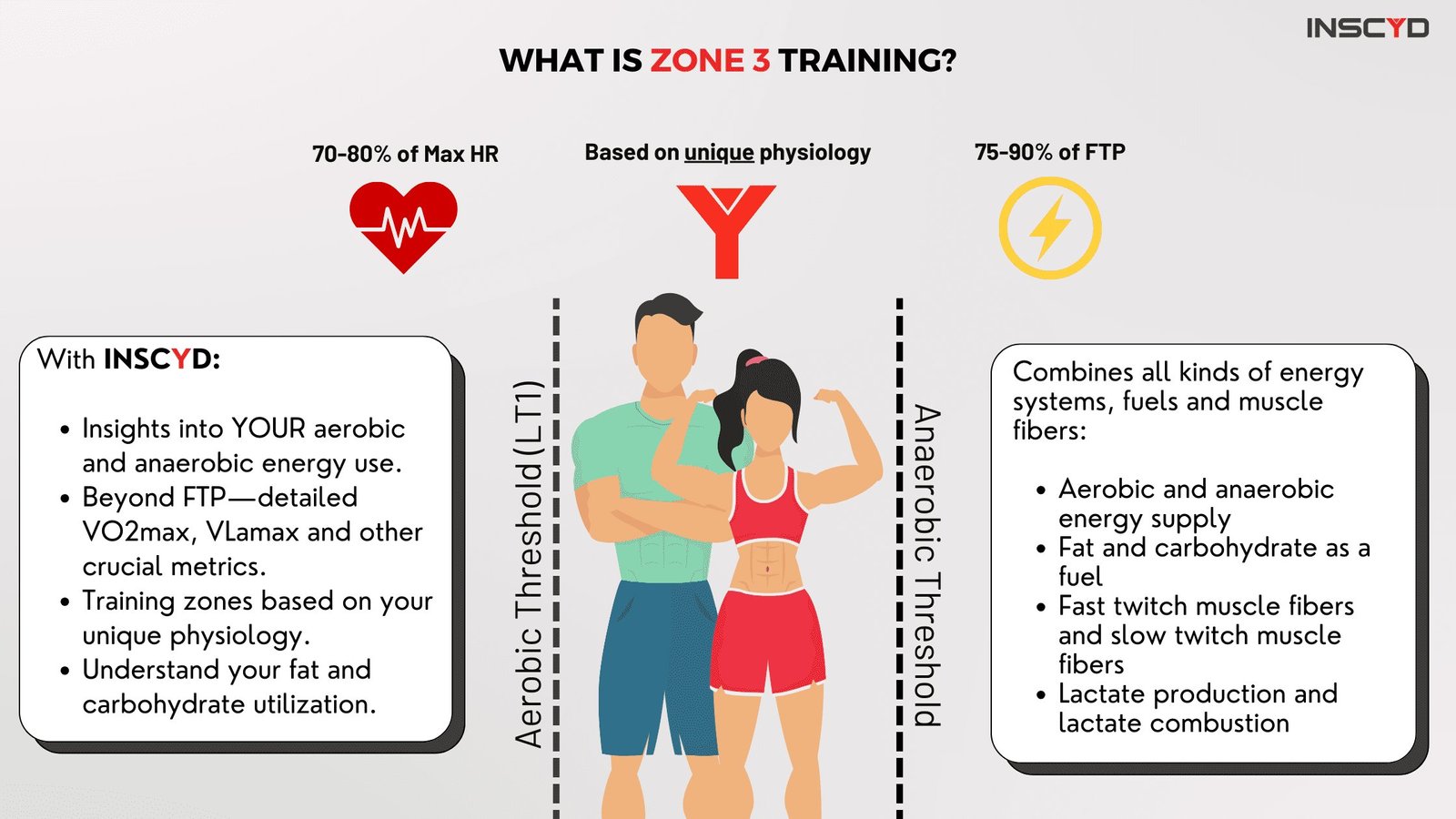
Zone 3 cardio is pivotal for effective endurance training. **It maintains your heart rate at 70-80% of its maximum, offering a perfect balance of challenge and sustainability.** This intensity level boosts cardiovascular capacity without leading to fatigue too quickly. Incorporating zone 3 cardio into your routine can help improve stamina and overall fitness seamlessly.

Understanding Zone 3 Cardio: The Heart of Effective Endurance Training
When it comes to fitness, many people focus on intense workouts or light activities, but there’s a vital middle ground that can greatly improve your stamina and overall health: Zone 3 cardio. This zone, often called the aerobic zone, is where your body works efficiently, burning fat and improving cardiovascular health without pushing you to exhaustion. If you’re curious about how Zone 3 cardio fits into your exercise routine or want to learn how to incorporate it effectively, you’re in the right place. Let’s explore everything you need to know about Zone 3 cardio, from what it is to how to do it properly and why it matters.
What Is Zone 3 Cardio?
Zone 3 cardio refers to exercising at a moderate intensity that keeps your heart rate within a specific range, usually between 70% and 80% of your maximum heart rate. This level of effort is sustainable for longer periods because it’s challenging but not overwhelming. Think of it as the Goldilocks zone for cardio – not too slow, not too hard.
During Zone 3, your body becomes very good at using oxygen to produce energy. This process helps you burn calories efficiently and build endurance. Unlike high-intensity workouts that push your body toward its limits or low-intensity exercises that get you moving but don’t challenge your cardiovascular system enough, Zone 3 provides a perfect balance for improving aerobic capacity.
The Science Behind Zone 3 Cardio
Understanding the science behind Zone 3 helps clarify why it’s so beneficial. When you exercise in this zone:
- Your heart beats faster than at rest, increasing blood flow and oxygen delivery to muscles.
- You burn a mix of fats and carbohydrates, which helps maintain energy during longer workouts.
- Your lungs work more efficiently, improving your breathing capacity over time.
- Your body adapts to use oxygen more effectively, boosting overall endurance.
Because your body stays primarily in the aerobic energy system, Zone 3 cardio is excellent for building a solid foundation of fitness. It enhances the efficiency of your heart, lungs, and muscles, helping you perform better during longer activities like running, cycling, swimming, or brisk walking.
How to Find Your Heart Rate Zones
To exercise in Zone 3, you need to know your heart rate zones. Here’s how to do it:
- Calculate your maximum heart rate (MHR). A common way is to subtract your age from 220. For example, a 30-year-old would have an estimated MHR of 190 beats per minute (bpm).
- Determine your Zone 3 range, which is roughly 70% to 80% of your MHR. Using the example above:
- Lower end: 190 x 0.70 = 133 bpm
- Upper end: 190 x 0.80 = 152 bpm
- Use a heart rate monitor or fitness tracker to keep track during your workout and stay within this range.
Some devices also automatically calculate your zones, making it easier to focus on your workout rather than constantly monitoring your heart rate.
Benefits of Training in Zone 3
Engaging regularly in Zone 3 cardio offers numerous benefits:
- Enhances cardiovascular health: Strengthens your heart and lungs, reducing the risk of heart disease.
- Builds endurance: Prepares your body for longer, more intense activities and competitions.
- Fat burning: Optimizes fat metabolism when exercising at this moderate intensity.
- Increases energy efficiency: Your muscles learn to use oxygen more effectively, making future workouts easier.
- Mental benefits: Moderate exercise can improve mood, reduce stress, and increase motivation to stay active.
Consistent Zone 3 training can lead to tangible improvements in daily activities, sports performance, and overall fitness levels.
Effective Ways to Incorporate Zone 3 Cardio into Your Routine
Integrating Zone 3 cardio into your workouts is straightforward, but planning helps maximize benefits. Here are some effective strategies:
- Steady-State Cardio: Maintain a consistent pace during activities like jogging, cycling, or swimming, targeting your heart rate in Zone 3.
- Interval Training: Alternate between periods of Zone 3 intensity and easier recovery phases. For example:
- 2-minute moderate effort in Zone 3
- 1-minute easy recovery
- Repeat for 20–30 minutes
- Long, Slow Sessions: Engage in longer durations at a steady pace, ideal for building endurance. Aim for sessions of 45 minutes to an hour at Zone 3 intensity.
- Cross-Training: Mix different activities like cycling, rowing, or brisk walking to prevent boredom and work different muscle groups.
Varying your efforts prevents plateauing and keeps workouts engaging, which helps sustain motivation over time.
Sample Zone 3 Cardio Workout
Here’s a simple example to get you started:
- Warm-up: 5–10 minutes of light activity (walking or slow cycling)
- Main session: 30–45 minutes maintaining your heart rate in Zone 3
- Cool-down: 5–10 minutes of slow activity and stretching
Using a heart rate monitor helps you stay within the right zone during the workout, making each session more effective.
Common Mistakes to Avoid
Even with good intentions, you can make mistakes that limit your progress. Here are some common pitfalls:
- Not measuring heart rate: Guesswork can lead to workouts that are too easy or too hard. Use a monitor for accuracy.
- Overtraining: Exercising in Zone 3 too often without rest can cause fatigue or injury. Incorporate rest days and listen to your body.
- Ignoring warm-up and cool-down: These are essential for preventing injuries and aiding recovery.
- Not staying hydrated or fueling properly: Proper nutrition and hydration support endurance efforts.
Being mindful of these tips ensures your Zone 3 training remains safe and effective.
Who Should Focus on Zone 3 Cardio?
Almost everyone can benefit from Zone 3 workouts, especially:
- Beginners building a base level of fitness
- Athletes looking to improve endurance for competitions
- Individuals recovering from injury who want a moderate, safe activity
- People seeking to maintain general health and wellness
However, those with certain health issues or concerns should consult their healthcare provider before starting any new exercise routine.
Incorporating Zone 3 cardio into your fitness routine offers a balanced approach to building endurance, improving cardiovascular health, and burning calories efficiently. It provides a sustainable way to exercise that challenges your body without pushing it too hard, making it ideal for long-term health and performance goals. By understanding your heart rate zones, choosing the right activities, and maintaining consistency, you set yourself up for success in reaching your fitness goals. Whether you’re aiming to run faster, cycle longer, or simply stay active, Zone 3 cardio can become a fundamental part of your exercise journey.
Frequently Asked Questions
How does training in zone 3 impact cardiovascular endurance?
Training in zone 3 helps strengthen your heart by increasing its efficiency. It encourages your body to optimize oxygen utilization and enhances the capacity of your cardiovascular system. Consistent workouts at this intensity build endurance, allowing you to perform longer activities without fatigue.
What are the typical physical sensations during zone 3 cardio exercise?
During zone 3 cardio, you’ll feel your breathing become more noticeable but still manageable. Your heart rate will be elevated, and you may experience some sweating. You should be able to speak in short sentences, but holding a conversation may be difficult, indicating you’re working at a moderate to high intensity.
How does zone 3 differ from other cardio zones in terms of training goals?
Zone 3 strikes a balance between fat burning and improving aerobic capacity. Unlike zone 2, which emphasizes fat metabolism at lower intensities, zone 3 pushes your cardiovascular limits to enhance endurance and stamina. Compared to zone 4 or 5, it avoids excessive strain while still providing significant training benefits.
What types of activities are most effective for zone 3 cardio workouts?
Activities such as brisk walking, steady cycling, jogging, or rowing at a consistent pace often fall within zone 3. These exercises allow you to sustain a moderate intensity over an extended period, making them suitable for building endurance and improving overall cardiovascular health.
How should I structure my workout sessions to maximize gains in zone 3?
Start with warm-up periods that gradually increase your heart rate to zone 3. Maintain this intensity for 20 to 40 minutes, depending on your fitness level. Incorporate intervals or variations if desired, but ensure most of your workout remains within zone 3 to promote cardiovascular benefits without overtraining.
Final Thoughts
Le zone 3 cardio joue un rôle clé dans l’amélioration de l’endurance cardiovasculaire et l’efficacité de la récupération. En maintenant l’effort dans cette zone, vous pouvez augmenter votre volume d’entraînement sans trop fatiguer votre corps. Comprendre cette zone vous aide à optimiser votre routine pour des résultats durables. En conclusion, se concentrer sur le zone 3 cardio permet d’équilibrer intensité et récupération, renforçant votre condition physique globale efficacement.
As an Amazon Associate, We earn from qualifying purchases. When you purchase a product through Amazon links on pulsefitguide.com, we may earn a small commission at no extra cost to you. This helps support the site and keep our content free.