

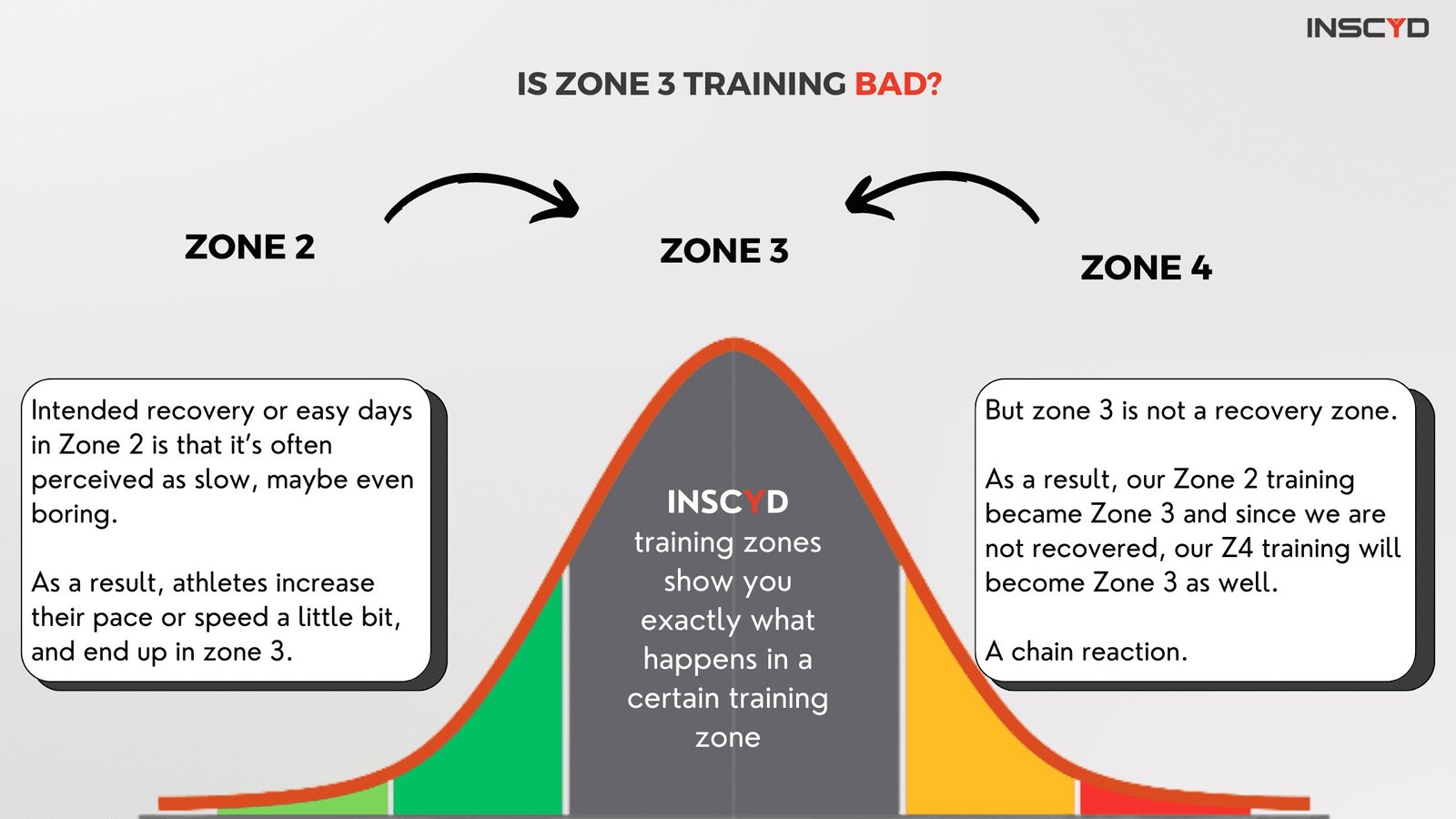
**Zone 2 vs zone 3 cardio primarily depends on your fitness goals, with zone 2 focusing on endurance and zone 3 boosting performance.** If you’re aiming for fat burning and longevity, zone 2 is best. For improving speed and anaerobic capacity, zone 3 is more suitable.
Understanding the differences helps you optimize each workout. Zone 2 keeps your heart rate moderate, while zone 3 pushes you closer to your limit. Choosing the right zone makes your training more effective and enjoyable.

Zone 2 vs Zone 3 Cardio: Understanding the Differences and Benefits
When it comes to improving your fitness and cardiovascular health, understanding the various training zones can make a big difference. Zone 2 and Zone 3 cardio are two popular levels of exercise intensity that athletes and casual exercisers alike often focus on. While they might seem similar at first glance, they serve different purposes and offer distinct benefits. Let’s explore what each zone means, how they differ, and how you can incorporate them into your workout routine effectively.
What Are Cardio Heart Rate Zones?
Before diving into Zone 2 and Zone 3 specifically, it’s essential to understand what heart rate zones are. Your heart rate zone indicates the intensity at which you are exercising, usually expressed as a percentage of your maximum heart rate (MHR). The MHR is roughly calculated as 220 minus your age, but for precise training, you might consider a fitness assessment.
The primary heart rate zones include:
- Zone 1: Very light activity (50-60% of MHR)
- Zone 2: Light to moderate activity (60-70% of MHR)
- Zone 3: Moderate to hard activity (70-80% of MHR)
- Zone 4: Hard activity (80-90% of MHR)
- Zone 5: Maximum effort (90-100% of MHR)
Focusing on Zones 2 and 3, these are often where most endurance and fat-burning exercises take place. They are crucial for building aerobic capacity, improving stamina, and burning calories.
Understanding Zone 2 Cardio
What is Zone 2?
Zone 2 cardio involves exercising at a level that feels comfortable, often called “conversational pace.” You can hold a conversation easily while working out in this zone. This level of effort is sustainable for long periods; many athletes perform Zone 2 training during long runs or cycling sessions.
How to Identify Zone 2?
The best way to find your Zone 2 is by tracking your heart rate. For instance, if your maximum heart rate is 180 beats per minute (bpm), Zone 2 would be between 108 and 126 bpm. You can also use perception of effort:
- Talk comfortably without gasping
- Feel like you are working, but not exhausted
- Maintain this pace for extended periods, sometimes up to several hours in endurance activities
Benefits of Zone 2 Cardio
Engaging in Zone 2 cardio offers several advantages:
- Builds a strong aerobic base essential for endurance sports
- Enhances your body’s ability to burn fat as fuel
- Improves mitochondrial function, which helps produce energy efficiently
- Requires less recovery time, making it suitable for frequent workouts
- Supports weight management by increasing daily calorie burn
Ideal Activities for Zone 2
Zone 2 is often associated with activities such as:
- Jogging or brisk walking
- Easy cycling or spinning
- Swimming laps at a comfortable pace
- Rowing at an easy intensity
- Hiking on flat terrain
Because it is sustainable and less taxing, Zone 2 training allows you to exercise for longer periods, helping to improve overall stamina.
Understanding Zone 3 Cardio
What is Zone 3?
Zone 3 intensities are moderate to hard efforts that push your cardio system further. It feels more challenging than Zone 2; talking becomes more difficult, but you can still hold a conversation with some effort. This zone is often called “tempo” or “threshold” training.
How to Find Your Zone 3?
Using your heart rate, if your maximum is 180 bpm, Zone 3 would be between 126 and 144 bpm. Perceived effort at this level feels like:
- Breathing becomes more labored, but still manageable
- You can speak in short sentences but not carry on a full conversation
- The effort is steady, not all-out but definitely challenging
It’s common to feel some fatigue after sustained Zone 3 efforts, especially as you push towards higher intensities.
Benefits of Zone 3 Cardio
Training in Zone 3 provides several key advantages:
- Improves cardiovascular capacity and stamina
- Enhances your ability to sustain higher intensities over time
- Burns more calories per minute than Zone 2 due to higher effort
- Develops mental toughness by training at challenging levels
- Prepares your body for more intense activity, such as race pace efforts
Best Activities for Zone 3
Activities that typically reach Zone 3 include:
- Tempo running or cycling
- Swimming at a brisk pace
- Faster-paced rowing sessions
- High-intensity aerobics or circuit training
- Running at a steady, moderate-to-hard pace
While Zone 3 workouts are more taxing, they are excellent for pushing your limits and making your heart and lungs more efficient.
Comparing the Benefits of Zone 2 and Zone 3 Cardio
To fully understand how Zone 2 and Zone 3 support your fitness, it’s helpful to compare their advantages side by side:
| Feature | Zone 2 | Zone 3 |
|---|---|---|
| Intensity | Light to moderate effort | Moderate to hard effort |
| Primary Benefits | Builds endurance, burns fat, enhances recovery | Improves stamina, increases caloric burn, boosts cardiovascular capacity |
| Duration | Long, sustained periods | Moderate-length sessions, typically 20-40 minutes |
| Ease of Recovery | Lower; easier to recover from | Higher; may require more rest between sessions |
| Ideal For | Building a foundation, weight management, active recovery | Increasing performance, race preparation, improving speed |
Understanding these differences helps you plan a balanced workout routine that targets all aspects of your fitness.
Integrating Zone 2 and Zone 3 into Your Workout Schedule
A well-rounded cardio program incorporates both zones, allowing your body to recover and build strength simultaneously. Here’s how to effectively combine them:
Sample Weekly Plan
- Start with two or three days of Zone 2 training for building endurance and fat-burning.
- Include one or two sessions of Zone 3 to push your cardiovascular capacity.
- Alternate higher-intensity sessions with lower-intensity days to avoid overtraining.
- Add active recovery days with light activity like walking or gentle cycling.
Tips for Success
- Use a heart rate monitor or fitness tracker to stay within your target zones.
- Listen to your body; if you feel overly fatigued, opt for lower-intensity workouts.
- Gradually increase the duration and intensity to prevent injury.
- Combine cardio with strength training for optimal health benefits.
Both Zone 2 and Zone 3 cardio play vital roles in enhancing your fitness level. Zone 2 helps build a solid aerobic base, sustain long workouts, and promote fat burning, making it perfect for beginners and endurance athletes. Zone 3 challenges your body further, boosting your endurance and pushing your limits. Incorporating both zones into your weekly routine provides a comprehensive approach to improving your heart health, increasing stamina, and keeping your exercise regimen enjoyable and effective.
Remember, the key is balancing effort and recovery. Consistent practice at each zone, combined with proper nutrition and rest, will help you reach your fitness goals faster and more safely. Tailor your workouts to your current fitness level, gradually increasing intensity, and stay motivated by tracking your progress. Cardio training in these zones can be fun and rewarding, leading to a healthier, stronger body that performs at its best.
Frequently Asked Questions
How does training in Zone 2 improve endurance compared to Zone 3?
Training in Zone 2 primarily enhances the body’s ability to utilize fat as a fuel source, increasing mitochondrial efficiency and promoting sustained aerobic activity. This type of training helps build a solid aerobic base, allowing athletes to perform longer durations without fatigue. While Zone 3 workouts also build endurance, they tend to be more intense and focus on improving the body’s ability to handle higher intensities, which can lead to quicker fatigue if overdone. Incorporating Zone 2 sessions fosters steady-state endurance, making it easier to maintain activity levels for extended periods.
What are the effects of exercising in Zone 3 on recovery time compared to Zone 2?
Exercises in Zone 3 are more strenuous, which can lead to increased muscle fatigue and longer recovery periods. After a Zone 3 session, the body needs ample time to repair muscles and replenish glycogen stores. In contrast, Zone 2 workouts are less taxing and typically allow for quicker recovery while still delivering cardiovascular benefits. Including a balance of Zone 2 and Zone 3 workouts can help optimize overall training without overloading the body.
Which zone is more effective for fat burning during a workout session?
Zone 2 is especially efficient for burning fat because it maintains a moderate intensity that allows the body to rely predominantly on fat as its primary fuel source. This makes it an ideal choice for those aiming to lose weight or improve metabolic flexibility. While Zone 3 still burns fat, it also involves a higher carbohydrate utilization, which reduces the proportion of fat burned during the workout. For maximizing fat loss, focusing on Zone 2 is generally more advantageous.
How do the energy systems differ between Zone 2 and Zone 3 training?
Zone 2 training primarily taps into the aerobic system, utilizing fat and carbohydrate oxidation to sustain prolonged, moderate efforts. This system depends on oxygen availability and promotes endurance. Zone 3 pushes the body further into the anaerobic threshold, relying more on glycogen stores and contributing to increased lactate production. This shift enhances the body’s ability to perform at higher intensities but also challenges recovery capacity due to lactate accumulation.
Why might an athlete incorporate both Zone 2 and Zone 3 sessions into their training plan?
Including both zones helps develop a well-rounded aerobic and anaerobic capacity. Zone 2 builds a strong foundation for endurance, enabling longer and more efficient workouts, while Zone 3 improves speed, power, and the ability to handle higher intensities. Alternating between these zones allows athletes to train progressively, reduce the risk of overtraining, and achieve specific performance goals more effectively.
Final Thoughts
In summary, understanding the differences between zone 2 vs zone 3 cardio helps optimize training. Zone 2 emphasizes fat burning and endurance, while zone 3 boosts aerobic capacity and stamina.
Choosing the right zone depends on your fitness goals and current level. Incorporating both zones efficiently enhances overall performance.
Focusing on zone 2 vs zone 3 cardio ensures balanced development and better results.
As an Amazon Associate, We earn from qualifying purchases. When you purchase a product through Amazon links on pulsefitguide.com, we may earn a small commission at no extra cost to you. This helps support the site and keep our content free.