

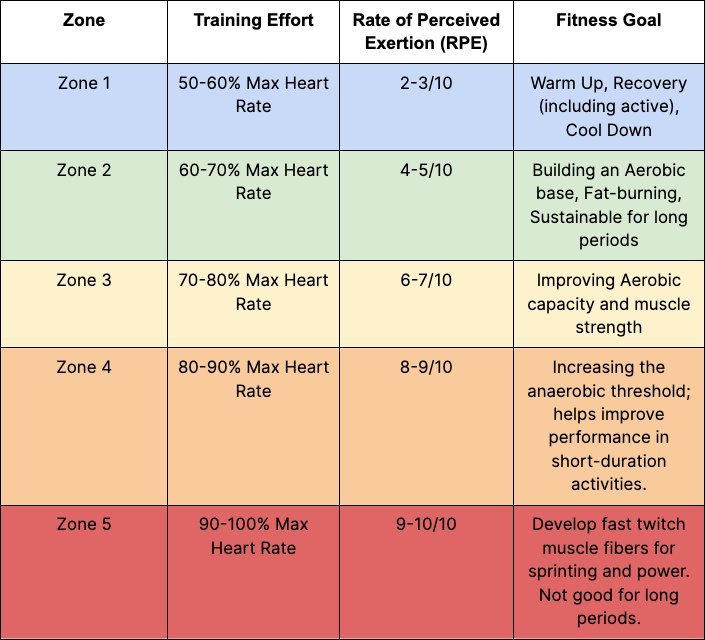
The zone 2 cardio heart rate is the optimal intensity for building endurance and burning fat efficiently. **Maintaining your heart rate within this zone helps improve cardiovascular health without overexerting your body.** This zone typically ranges from 60-70% of your maximum heart rate, making it accessible for most fitness levels.
Staying in zone 2 allows you to exercise longer while minimizing fatigue, so your workout becomes sustainable and effective. Understanding this heart rate range ensures you get the most out of each session without risking burnout.

Understanding the Zone 2 Cardio Heart Rate and Its Benefits
When people talk about working out, especially cardio exercises, they often mention heart rate zones. One of the most popular and beneficial zones is known as Zone 2. Many athletes, trainers, and fitness enthusiasts focus on this level because it offers a perfect blend of fat burning, endurance building, and overall health improvements. But what exactly is Zone 2? And why is it so important? Let’s explore this topic in detail.
What Is Heart Rate Zone 2?
Heart rate zones are ranges that tell you how hard your heart is working during exercise. They are usually calculated as a percentage of your maximum heart rate, which depends on your age and fitness level. Zone 2 specifically refers to a moderate level of exercise intensity, generally between 60% and 70% of your maximum heart rate.
To put it simply, exercising in Zone 2 feels like a comfortable, steady effort. You can talk without gasping for air, yet you’re actively working your body. This zone is often called the “fat-burning zone” because it helps your body utilize fat as the main energy source during the workout.
Calculating Your Heart Rate for Zone 2
Knowing how to find your Zone 2 heart rate helps you target your workouts more effectively. Here’s how you can do it:
- Calculate your maximum heart rate by subtracting your age from 220.
- Determine 60% and 70% of that number to find your Zone 2 range.
For example, if you are 30 years old:
- Maximum heart rate = 220 – 30 = 190 beats per minute (bpm)
- Lower end of Zone 2 = 190 x 0.60 = 114 bpm
- Upper end of Zone 2 = 190 x 0.70 = 133 bpm
Your Zone 2 heart rate range would be approximately 114 to 133 bpm.
Why Is Training in Zone 2 Important?
Focusing your workouts in this heart rate zone offers several advantages:
- Improves Aerobic Capacity: Regular training in Zone 2 enhances your body’s ability to use oxygen efficiently. This means your muscles can perform better during long activities like running, cycling, or swimming.
- Builds Endurance: Training at this intensity helps increase the stamina of your heart and lungs, allowing you to work out longer without feeling tired.
- Supports Fat Loss: Because your body primarily uses fat for energy during Zone 2 workouts, it’s an effective way to reduce body fat and improve body composition.
- Boosts Overall Health: Consistent Zone 2 exercise can lower blood pressure, improve cholesterol levels, and reduce the risk of chronic diseases.
The Science Behind Fat Burning in Zone 2
When you exercise at a moderate pace like in Zone 2, your body primarily taps into fat stores for energy. This is because fat oxidation is more efficient at this level of effort. During higher-intensity workouts, your body shifts towards burning more carbohydrates; however, fat burning remains dominant in Zone 2.
This balance is beneficial because:
- Fat provides sustained energy for long-duration activities.
- It helps preserve muscle glycogen, delaying fatigue.
- It promotes weight loss by increasing fat metabolism over time.
How to Incorporate Zone 2 Training into Your Routine
Now you’re probably wondering how to make this type of workout work for you. Here are some easy ways to incorporate Zone 2 cardio into your fitness plan:
Steady-State Cardio Activities
Activities like walking briskly, easy cycling, or swimming at a comfortable pace are ideal for staying in Zone 2. Aim for sessions lasting at least 30 to 60 minutes, 3 to 5 times a week.
Using Heart Rate Monitors
Tracking your heart rate with a wearable device ensures you stay within the desired zone. Many fitness trackers and smartwatches have features to monitor your bpm and alert you if you venture outside Zone 2.
Interval Training with Zone 2
While steady-state cardio is effective, you can also do variation by alternating between Zone 2 and higher zones for shorter periods. For example, 3 minutes in Zone 2 followed by 1 minute of higher intensity, repeated several times.
Common Mistakes to Avoid
Even with good intentions, some people make mistakes that diminish the benefits of Zone 2 training. Here are some pitfalls to watch out for:
- Not Monitoring Heart Rate: Letting your effort become too intense or too light can mean you’re not hitting Zone 2.
- Overtraining: Doing too much too soon may cause fatigue and injury. Build your endurance gradually.
- Ignoring Rest Days: Rest is crucial for recovery and optimal performance.
Comparing Zone 2 to Other Heart Rate Zones
Understanding how Zone 2 differs from other zones helps you tailor your workouts for specific goals:
| Heart Rate Zone | Percentage of Max Heart Rate | Exercise Intensity | Main Benefits |
|---|---|---|---|
| Zone 1 | 50-60% | Very light effort | Warm-up, cool-down, recovery |
| Zone 2 | 60-70% | Moderate effort | Fat burning, endurance, heart health |
| Zone 3 | 70-80% | Tempo effort | Improves aerobic capacity, speed |
| Zone 4 | 80-90% | Hard effort | Increases anaerobic threshold |
| Zone 5 | 90-100% | Maximum effort | Peak performance, sprinting |
Tracking Progress and Adjusting Your Workouts
As your fitness improves, your heart rate responses may change. It’s essential to:
- Reassess your maximum heart rate periodically.
- Adjust your target zones accordingly.
- Increase workout duration or intensity gradually to avoid plateaus.
Using fitness logs or apps can help you keep an eye on your progress over time. Noticing improvements in your endurance and ability to stay within Zone 2 for longer durations signals good progress.
Real-Life Examples of Zone 2 Workouts
Here are some sample workouts suitable for beginners and experienced exercisers:
- Walking Session: Brisk walk for 45 minutes with a heart rate of about 120 bpm.
- Cycling: Easy ride for 60 minutes at a steady pace, keeping your hr within Zone 2.
- Swimming: Continuous laps at a comfortable speed for 30 minutes, maintaining a moderate stroke rate.
- Jogging: Slow jog for 30 minutes, focusing on steady breathing and consistent effort.
Remember, the key is consistency. Regularly engaging in these workouts helps build a strong foundation of cardiovascular health and endurance.
Benefits of Long-Term Zone 2 Training
Engaging in Zone 2 cardio regularly offers lasting improvements:
- Enhanced energy levels and reduced fatigue during daily activities
- Better recovery from high-intensity workouts
- Lower risk of heart disease and metabolic issues
- Improved mental health and reduced stress levels
Most importantly, it builds a sustainable exercise habit that you can maintain over months and years.
By understanding what Zone 2 heart rate training entails and how to incorporate it into your fitness routine, you set yourself up for long-term health benefits. Staying within this comfortable yet effective effort level makes workouts more enjoyable and manageable, helping you stay committed to your goals.
Frequently Asked Questions
How can I determine if I am exercising within my Zone 2 heart rate?
To check if you’re in your Zone 2 heart rate, monitor your pulse during exercise and compare it to your target heart rate range, which is typically 60-70% of your maximum heart rate. You can estimate your maximum heart rate by subtracting your age from 220. Using a heart rate monitor or fitness tracker helps you maintain awareness and stay within this zone for effective endurance training.
Why is maintaining Zone 2 heart rate beneficial for endurance development?
Exercising in Zone 2 enhances your body’s ability to efficiently use fat as an energy source, which conserves glycogen stores. It also improves mitochondrial density and increases your overall aerobic capacity. These adaptations lead to better stamina and allow you to sustain longer periods of activity with less fatigue.
What types of activities are most effective for training in Zone 2?
Activities like brisk walking, jogging, cycling at a moderate pace, swimming, and rowing work well for Zone 2 training. The key is to perform these activities at a steady, manageable intensity that keeps your heart rate within the target zone without feeling overly strenuous, enabling prolonged and consistent effort.
How often should I include Zone 2 workouts in my fitness routine?
Including two to three Zone 2 sessions per week provides significant benefits for endurance and recovery. Each session can last from 30 to 90 minutes depending on your fitness level and goals. Consistency over time enhances cardiovascular health and builds aerobic capacity effectively.
Are there any signs that I might be exercising outside my ideal Zone 2 range?
Yes. If you find breathing becoming labored or your heart rate surpasses the upper limit of your target zone, you are likely exercising above Zone 2. Conversely, if your heart rate is too low for the activity you’re doing, you might not be training effectively. Using a heart rate monitor helps you stay within the appropriate range for optimal results.
Final Thoughts
Zone 2 cardio heart rate offers an effective way to improve endurance and overall fitness. Exercising within this zone keeps your heart rate steady, making workouts sustainable over time. It also enhances fat burning while reducing stress on your body.
Focusing on zone 2 allows for consistent progress without risking injury or burnout. Maintaining this heart rate during cardio sessions can lead to long-term health benefits. Prioritizing zone 2 cardio heart rate helps you achieve lasting fitness improvements easily and efficiently.
As an Amazon Associate, We earn from qualifying purchases. When you purchase a product through Amazon links on pulsefitguide.com, we may earn a small commission at no extra cost to you. This helps support the site and keep our content free.