

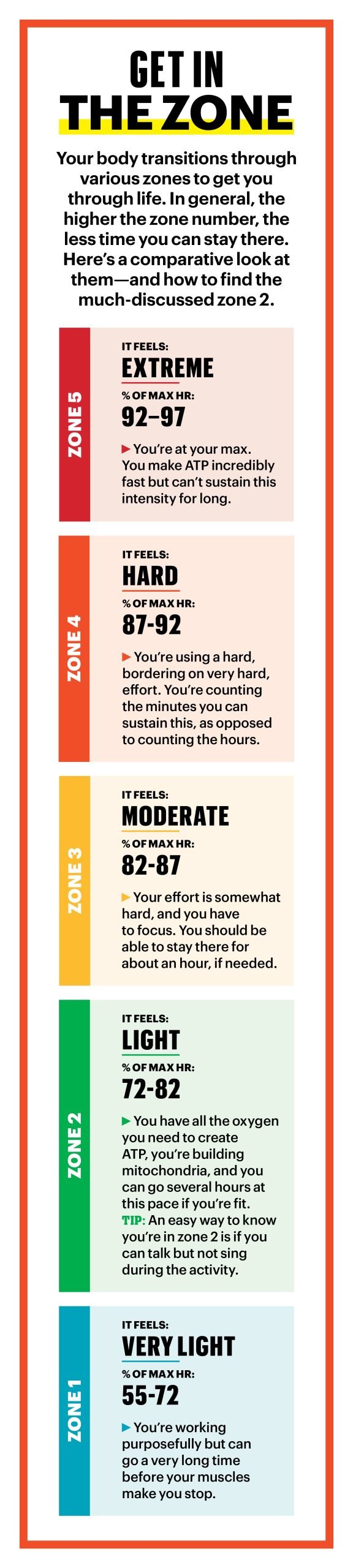
Zone 2 cardio is a highly effective way to improve endurance and burn fat. If you’re wondering how to get the most out of your workouts, the answer lies in maintaining a moderate intensity that keeps your heart rate steady. **Zone 2 cardio involves exercising at about 60-70% of your maximum heart rate.** This pace feels sustainable, allowing you to stay active longer without fatigue. Incorporate it into your routine for steady progress and better overall fitness with less exhaustion.

Understanding Zone 2 Cardio: What It Is and Why It Matters
When you hear about cardio workouts, many people think of running fast, cycling hard, or doing high-intensity interval training. But there’s a special kind of cardio called “Zone 2 cardio” that offers unique benefits for your heart and overall fitness. This type of workout is gentle enough to do for a long time but effective enough to make a difference. In this section, we’ll explore what Zone 2 cardio really is, how it works, and why so many fitness experts recommend it.
What Exactly Is Zone 2 Cardio?
Zone 2 cardio is a way of describing how hard you work during exercise based on your heart rate. When you exercise, your heart rate speeds up, and different levels of exertion are called “zones.” Zone 2 is a moderate level of effort that feels comfortable but still makes your heart work a bit more than at rest.
Think of it as walking briskly or cycling at a steady pace. You can carry on a conversation while exercising in this zone, which means it’s not too intense. Here are some key points:
- It is usually between 60% and 70% of your maximum heart rate.
- This zone is often called the “fat-burning zone,” as your body uses fat as its main energy source.
- It’s an ideal zone for building endurance because you can sustain activity for a longer time.
Knowing your heart rate zones helps you stay within the right range. To do this, you can use a fitness tracker, smartwatch, or heart rate monitor.
Why Is Zone 2 Cardio Important?
Many people focus on high-intensity workouts, but Zone 2 cardio offers unique benefits for your health. Here’s why including it in your routine can make a big difference:
Builds Your Heart’s Endurance
While high-intensity workouts strengthen your muscles and improve your speed, Zone 2 cardio primarily helps your heart become more efficient. Over time, your heart can pump blood more effectively, which lowers your risk of heart disease.
Improves Fat Burning
Since your body mainly uses fat for energy in this zone, training here supports fat loss. It helps your body get better at burning fat instead of relying solely on carbs, especially during longer activities.
Boosts Overall Endurance
Exercising in Zone 2 helps you go longer without getting tired. This is perfect for activities like long walks, cycling trips, or even preparing for a marathon.
Reduces Stress and Fatigue
Workouts in this zone are gentle enough not to stress your body but still help you feel good afterward. They can reduce stress hormones and help you recover faster from harder workouts.
How to Find and Maintain Your Zone 2 Heart Rate
Knowing your heart rate zone is the first step. Here’s how to find your Zone 2:
Calculate Your Max Heart Rate
You can estimate your maximum heart rate with this simple formula:
| Method | Description |
|---|---|
| Maximum Heart Rate | 220 minus your age |
For example, if you’re 30 years old:
220 – 30 = 190 beats per minute (bpm)
Determine Your Zone 2 Range
Zone 2 is approximately 60% to 70% of your max heart rate. Using the example:
- Lower end: 190 × 0.60 = 114 bpm
- Upper end: 190 × 0.70 = 133 bpm
So, during Zone 2 cardio, your heart rate should stay between 114 and 133 bpm.
Monitoring Your Heart Rate
To stay in Zone 2:
- Wear a heart rate monitor or smartwatch that provides real-time feedback.
- Observe your heart rate during exercise and adjust your pace accordingly.
- If your heart rate exceeds the target zone, slow down; if it’s lower, pick up the pace.
Best Activities for Zone 2 Cardio
You don’t need fancy equipment to enjoy Zone 2 training. Here are some excellent options:
Walking
A brisk walk on flat terrain is easy to do almost anywhere and is perfect for maintaining your Zone 2 heart rate.
Cycling
Riding a bike at a consistent, moderate pace keeps your heart in the right range without pushing too hard.
Swimming
Swim laps at a steady pace for a low-impact, full-body workout that stays within Zone 2.
Rowing
Using a rowing machine can be an effective way to get your heart rate up without high impact.
Hiking
Hiking on gentle trails combines the benefits of walking and nature, promoting mental health along with physical fitness.
How Long Should You Exercise in Zone 2?
The ideal duration depends on your fitness level and goals but generally, longer sessions are better for endurance.
- Beginners might start with 20 to 30 minutes per session.
- More experienced exercisers often aim for 45 minutes to an hour.
- For cardiovascular health and fat burning, aim for at least three sessions per week.
Remember, consistency over time leads to the best results.
Integrating Zone 2 Cardio Into Your Routine
Incorporating Zone 2 cardio into your weekly workout plan can be straightforward:
- Alternate days: For example, do Zone 2 workouts on Monday, Wednesday, and Friday.
- Mix with other workouts: Combine with strength training or high-intensity exercises for variety.
- Use as active recovery: Light Zone 2 sessions after intense workouts help your muscles recover.
Keep in mind that listening to your body is key. If you feel any discomfort or unusual fatigue, adjust the intensity or take a rest day.
Tracking Your Progress and Staying Motivated
Monitoring your improvements helps keep you motivated. Here are some tips:
- Keep a workout journal or log your heart rate data.
- Set small, achievable goals (e.g., maintain Zone 2 for 30 minutes without interruption).
- Celebrate your milestones, like completing a week of consistent workouts.
- Vary your activities to prevent boredom and target different muscles.
Remember, consistency is more valuable than intensity. The more regularly you perform Zone 2 exercises, the better your results will be.
Common Challenges and How to Overcome Them
Some people find it hard to stay within the right heart rate zone. Here’s how to tackle common issues:
Difficulty Maintaining the Zone
- Slow down your pace until your heart rate drops into the target range.
- Use a heart rate monitor for real-time feedback.
- Focus on your breathing to keep it steady and relaxed.
Lack of Motivation
- Choose activities you enjoy to make workouts feel less like a chore.
- Workout with friends or join group classes for added encouragement.
- Vary your routine to keep it interesting.
Time Constraints
- Break longer sessions into shorter ones, like two 15-minute walks.
- Incorporate activity into daily routines, such as walking during lunch breaks or quick bike rides.
Final Thoughts on Zone 2 Cardio
Including Zone 2 cardio in your fitness routine offers a balanced approach to improving heart health, burning fat, and building endurance. It’s accessible, safe, and suitable for most fitness levels. Remember, the key is to stay consistent and enjoy the process. By paying attention to your heart rate and choosing activities you love, you’ll set yourself on a path to better health and fitness.
This steady, manageable effort will benefit your body in many ways and help you stay active and healthy for years to come. Whether you’re just starting your fitness journey or looking for a sustainable way to stay in shape, Zone 2 cardio plays a vital role in your overall health plan. Keep moving, stay mindful of your heart rate, and enjoy the journey towards a healthier you.
Frequently Asked Questions
How can I tell if I am exercising in Zone 2 accurately?
To ensure you’re working in Zone 2, monitor your heart rate during exercise. Zone 2 typically falls between 60-70% of your maximum heart rate. You can estimate your maximum heart rate by subtracting your age from 220. Using a heart rate monitor or fitness tracker helps you stay within this range, ensuring you’re engaging in the appropriate intensity for Zone 2 cardio.
What are some effective activities that promote Zone 2 cardio training?
Activities like brisk walking, easy cycling, light jogging, swimming at a comfortable pace, and rowing are excellent options for Zone 2 workouts. These exercises maintain a steady, sustainable effort that keeps your heart rate within the target zone, allowing you to build endurance without overexertion.
How long should a typical Zone 2 cardio session last?
A typical session ranges from 30 to 60 minutes, depending on your fitness level and training goals. Consistency over time improves cardiovascular health, so aim for regular workouts within this duration. Beginners may start with shorter sessions and gradually increase the length as their endurance improves.
What benefits does Zone 2 cardio offer for overall health?
Engaging in Zone 2 cardio strengthens your heart and lungs, enhances fat metabolism, and improves muscular endurance. It also helps regulate blood sugar levels, reduce stress, and promote recovery from more intense workouts. Regular Zone 2 training supports a balanced fitness routine and long-term health benefits.
Can I incorporate Zone 2 cardio into my existing workout routine?
Yes, integrating Zone 2 sessions into your current workouts can boost endurance and recovery. You can include it as a warm-up, cool-down, or as a separate endurance workout. Mixing different intensities allows for a well-rounded fitness approach that benefits your cardiovascular system without overtraining.
Final Thoughts
Zone 2 cardio offers an effective way to improve endurance and overall health. By maintaining a moderate intensity, you can burn fat efficiently and build a strong aerobic base. Incorporating this type of exercise into your routine promotes sustained activity without fatigue.
Consistent zone 2 cardio helps increase mitochondrial density and boosts metabolic health. It’s accessible and sustainable, making it ideal for long-term fitness progress. Focusing on this zone ensures you get maximum benefits with minimal risk of burnout.
In conclusion, focusing on zone 2 cardio provides a balanced approach to fitness. It enhances endurance, supports fat loss, and promotes heart health. Incorporate it regularly to see steady, lasting improvements in your physical well-being.
As an Amazon Associate, We earn from qualifying purchases. When you purchase a product through Amazon links on pulsefitguide.com, we may earn a small commission at no extra cost to you. This helps support the site and keep our content free.