

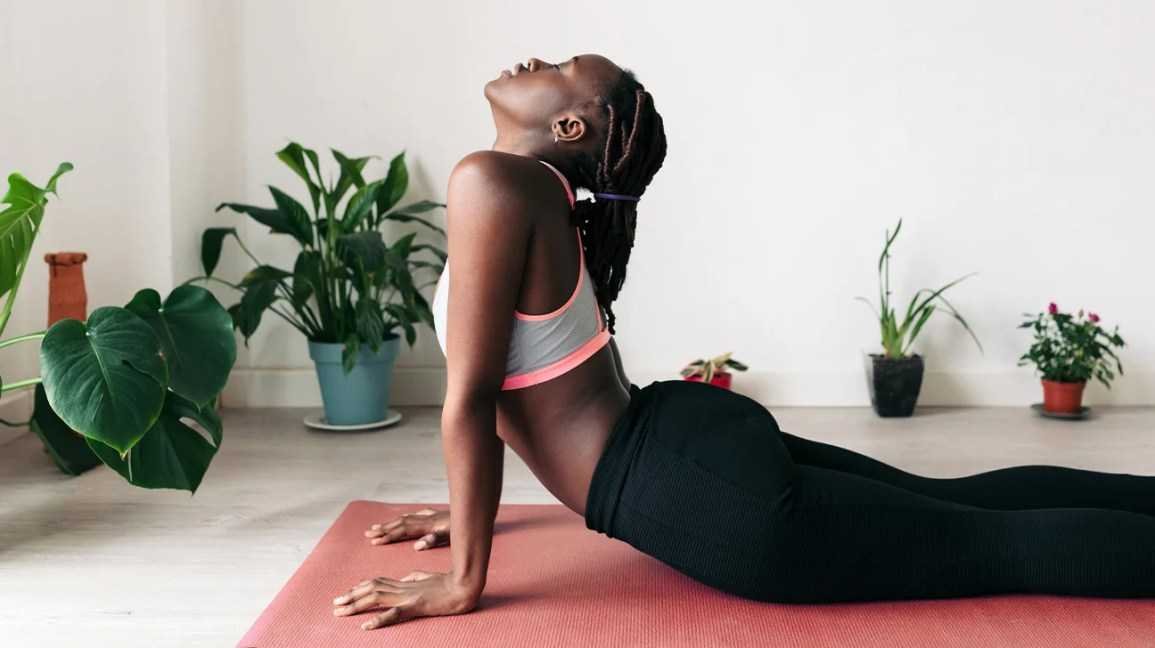
Ready to transform your body and boost your flexibility? Yoga offers simple yet powerful poses that can significantly enhance your muscle tone and overall suppleness. Incorporating these stretches into your routine can make you more agile, reduce stiffness, and build strength from within. With consistency, you’ll notice improvements in posture, balance, and muscle endurance, making daily activities easier and more enjoyable. Whether you’re a beginner or seasoned yogi, these poses are accessible and effective for everyone aiming to achieve greater flexibility and muscle strength. Just a few minutes a day can yield remarkable results, so why not start today?
Yoga poses for flexibility and muscle tone are designed to stretch and strengthen muscles simultaneously, promoting better posture and increased range of motion. Key poses include Downward Dog, Cobra, and Warrior sequences, which target different muscle groups to improve elasticity and strength. Regular practice helps you develop a balanced, toned physique while enhancing your body’s natural ability to stretch and adapt.
Stretching and strengthening are essential components of a healthy body, and yoga combines both seamlessly. When you practice specific poses like Forward Bends, Triangle, and Planks, your muscles elongate and firm up at the same time. Consistent practice not only boosts flexibility but also tones muscles, improves circulation, and reduces the risk of injury. Yoga’s mindful approach encourages body awareness, making every movement intentional and beneficial for building a more resilient, flexible, and toned body.

Yoga Poses for Flexibility and Muscle Tone
Understanding the Benefits of Yoga for Flexibility and Muscle Strength
Yoga is a fantastic way to improve both flexibility and muscle tone at the same time. These benefits help you move more easily and feel stronger each day. Regular practice can stretch tight muscles and build endurance for everyday activities.
By practicing yoga poses that target different muscle groups, you can see faster progress in your physical health. Flexibility reduces the risk of injuries, while strong muscles support your bones and joints. Combining both makes you more agile and less prone to aches.
Key Yoga Poses to Increase Flexibility
Flexibility is essential for performing many yoga poses comfortably. Here are some popular poses that help stretch and lengthen your muscles effectively.
Seated Forward Bend (Paschimottanasana)
This pose stretches your hamstrings, lower back, and calves. Sit with your legs extended straight in front of you. Reach forward, aiming to touch your toes, keeping your spine long. Hold the position for several breaths to feel the stretch deepen.
Downward Dog (Adho Mukha Svanasana)
A classic pose for lengthening the shoulders, hamstrings, calves, and spine. Start on your hands and knees, then lift your hips toward the ceiling. Keep your heels reaching toward the ground and your head relaxed between your arms. Hold for a few breaths.
Butterfly Stretch (Baddha Konasana)
Sit with your soles together and knees apart. Gently press your knees toward the ground to stretch your inner thighs and hips. Keep your back straight and hold the stretch for 30 seconds to 1 minute.
Standing Side Stretch
Stand with feet hip-width apart. Reach your arms overhead and clasp your hands. Lean to one side, feeling the stretch along your sides and shoulders. Switch sides and repeat.
Yoga Poses to Build and Maintain Muscle Tone
Strong muscles support your joints and improve posture. These poses focus on strength-building while also increasing flexibility.
Plank Pose (Phalakasana)
This pose strengthens your core, shoulders, arms, and back. Keep your body in a straight line from head to heels, supporting yourself on your forearms and toes. Maintain for 30 seconds to 1 minute, gradually increasing as you build strength.
Chair Pose (Utkatasana)
Stand with feet shoulder-width apart. Bend your knees and lower your hips as if sitting in an imaginary chair. Keep your chest lifted and arms extended overhead. This targets your thighs, glutes, and core.
Warrior Poses (Virabhadrasana I and II)
Stand wide with one foot forward and the other back. Bend your front knee and extend your arms overhead (Warrior I) or to the sides (Warrior II). These poses engage your legs, hips, and arms, building strength and stability.
Boat Pose (Navasana)
Sit on your tailbone, lift your legs, and balance on your sit bones. Extend your arms forward and hold. This pose strengthens your core, hip flexors, and spine.
Combining Flexibility and Strength in Yoga Routines
Adding sequences that blend poses for flexibility and muscle tone can accelerate your progress. Try including Sun Salutations, which flow through multiple poses to warm up muscles and stretch parts of the body.
Sample Routine
- Start with some deep breathing exercises
- Perform 5 rounds of Sun Salutations
- Include poses like Warrior I and II for strength
- Follow with stretches like Seated Forward Bend and Butterfly Stretch
- Finish with calming poses such as Child’s Pose and Corpse Pose
Safety Tips for Practicing Yoga for Flexibility and Muscle Tone
Always listen to your body and avoid forcing any pose too far. Warm up your muscles before stretching intensely to prevent injuries. Use props like blocks or straps if needed to make poses more accessible and safe.
Stay consistent with your practice, as flexibility and muscle tone develop gradually over time. Remember to breathe deeply and relax into each pose, enhancing both effectiveness and comfort.
Additional Tips for Maximizing Your Yoga Practice
- Practice at least three times a week for visible results
- Maintain hydration and eat a balanced diet to support muscle recovery
- Stretch gently after each workout to prevent stiffness
- Focus on proper alignment to avoid strain
- Include rest days to let muscles recover and grow
Related Topics for Better Flexibility and Strength
Incorporating complementary activities can boost your yoga results. Consider adding strength training exercises or dynamic stretches into your routine. Consistent practice helps you attain a more flexible, toned, and healthy body.
Stretching and Mobility Drills
These are designed to complement yoga by increasing joint range of motion and muscle elasticity. Use foam rollers or massage balls to release tension from tight muscles.
Strength Training for Yoga Enthusiasts
Weight-bearing exercises like squats and lunges build muscle strength that supports yoga poses. Combining these activities can improve overall stability and endurance.
Nutrition Tips for Muscle Development and Flexibility
Eat foods rich in protein, healthy fats, and antioxidants to support muscle repair. Hydrate well and include plenty of fruits and vegetables to promote tissue elasticity.
Practicing targeted yoga poses regularly can greatly improve your flexibility and muscle tone. Focus on proper technique, consistency, and listening to your body. Over time, your body becomes more agile, stronger, and better balanced, enhancing your overall well-being.
15 MIN FULL BODY STRETCH – Improve Mobility and Flexibility
Frequently Asked Questions
Which yoga poses are most effective for increasing overall flexibility?
Poses like Downward Dog, Cobra, and Pigeon stretch multiple muscle groups, promoting greater flexibility. Incorporating forward bends and side stretches regularly also helps loosen tight muscles, improving your range of motion over time.
How can I use yoga to strengthen and tone my muscles?
Holding poses such as Plank, Warrior Series, and Chair Pose engages multiple muscle groups simultaneously. By maintaining these positions with proper form, you can effectively build muscle strength and endurance while enhancing your flexibility.
What are some beginner-friendly yoga poses to improve flexibility and muscle tone?
Beginner-friendly poses like Cat-Cow, Child’s Pose, and Tree Pose offer gentle stretches that gradually increase flexibility. These poses also activate stabilizing muscles, helping to develop muscle tone safely and steadily for newcomers.
How often should I practice yoga to see improvements in flexibility and muscle tone?
Practicing yoga three to four times a week provides consistent progress. Regular sessions, even if they last only 20 to 30 minutes, help improve both flexibility and muscle strength while supporting overall physical health.
Are there specific yoga sequences suitable for targeting tight areas and sore muscles?
Yes, sequences that focus on hip openers like Pigeon and Lizard, along with gentle backbends and stretches, effectively target tight regions. Incorporating these sequences into your routine can relieve soreness and enhance flexibility.
Final Thoughts
Yoga poses for flexibility and muscle tone effectively enhance overall well-being. Incorporating these poses into your routine improves mobility and strengthens muscles. Consistent practice helps you feel more agile and resilient throughout your day.
Focusing on these poses allows you to achieve balanced growth and increased range of motion. They support a healthier, more toned physique while promoting mental clarity.
In conclusion, practicing yoga poses for flexibility and muscle tone offers both physical and mental benefits. Regular engagement boosts strength and elasticity, making movements smoother and more controlled.
As an Amazon Associate, We earn from qualifying purchases. When you purchase a product through Amazon links on pulsefitguide.com, we may earn a small commission at no extra cost to you. This helps support the site and keep our content free.