
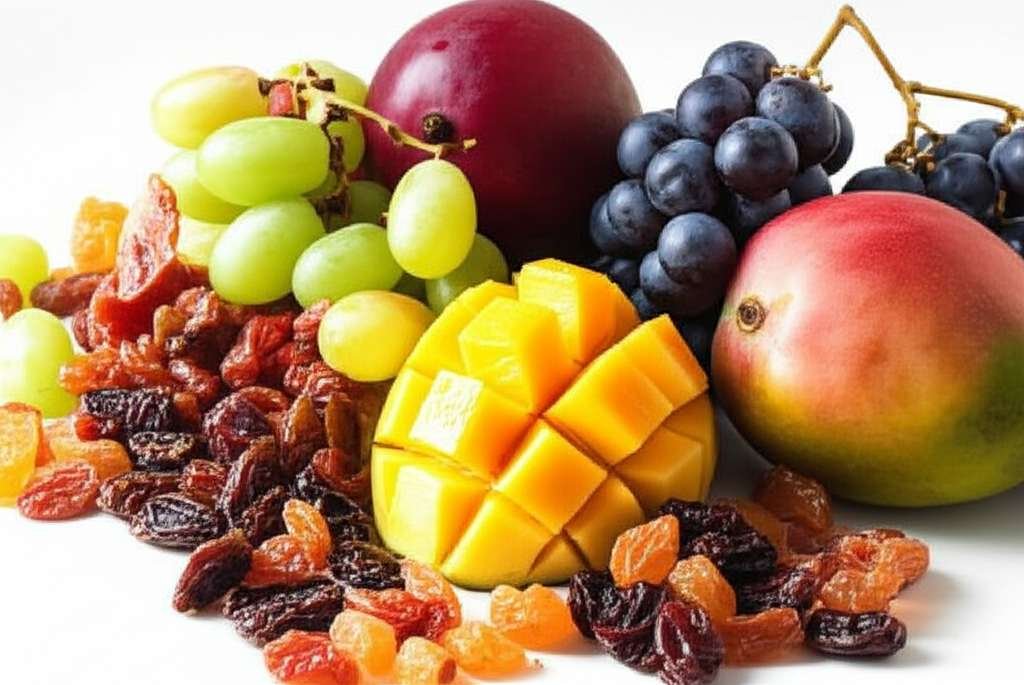
The “worst” fruits for weight loss aren’t actually bad, but some can hinder your goals if not eaten mindfully due to their natural sugar and calorie content. Focusing on portion control and understanding these fruits will help you enjoy them while staying on track. This guide clarifies which fruits require a bit more attention for effective weight loss.
Hey there! Starting your weight loss journey can feel like a puzzle sometimes, right? You’re trying to eat healthy, and fruits seem like a no-brainer – they’re packed with vitamins and good stuff! But then you hear whispers, “Are some fruits actually bad for weight loss?” It can be confusing and a little frustrating.
Don’t worry, we’re going to break it down. Think of me as your friendly guide, helping you navigate this. We’ll look at which fruits might need a little extra attention and why, all in a way that makes sense. You’ve got this, and by the end, you’ll feel more confident about your fruit choices.
Ready to learn how to enjoy all fruits, even the ones that might be surprisingly high in calories, without derailing your progress? Let’s dive in!
Understanding Fruits and Weight Loss: The Sweet Truth

Fruits are amazing! They’re bursting with vitamins, minerals, fiber, and antioxidants that are fantastic for your overall health. Fiber, in particular, is a superhero for weight loss because it helps you feel full and satisfied for longer, which can prevent overeating. It also aids digestion and helps regulate blood sugar levels.
However, the “worst fruits for weight loss” title often comes down to one key factor: natural sugar content, also known as fructose, and overall calorie density. While natural, this sugar still contributes to your daily calorie intake. If you consume large quantities of even the healthiest foods, including fruits, you can still consume more calories than you burn, which is the fundamental principle of weight gain.
The good news is that no fruit is inherently “bad.” The key is moderation and awareness. By understanding which fruits pack a bit more punch in terms of sugar and calories, you can adjust your portions and make informed choices that support your weight loss goals without missing out on delicious, nutritious food.
The “Worst” Fruits for Weight Loss: What You Need to Know
When we talk about the “worst fruits for weight loss,” we’re focusing on those that, due to their natural sugar and calorie content, can easily contribute to a calorie surplus if not eaten in moderation. These fruits are still incredibly healthy, but they require a bit more mindfulness in your diet plan.
The primary concern with these fruits is their higher natural sugar content. While it’s natural sugar, your body processes it, and excessive intake can lead to blood sugar spikes and contribute to higher calorie consumption. This is why portion control is so crucial.
1. Dried Fruits (Raisins, Dates, Prunes, Dried Apricots)
Dried fruits are essentially fresh fruits with most of their water content removed. This process concentrates not only the sugars but also the calories. A handful of raisins, for example, contains significantly more sugar and calories than the same volume of fresh grapes.
Why they can be challenging:
- Concentrated Sugar: The removal of water makes the natural sugars highly concentrated, leading to a rapid increase in blood sugar levels.
- Calorie Dense: Because they are so concentrated, it’s very easy to consume a lot of calories without feeling as full as you would with fresh fruit. A small box of raisins can easily have over 100 calories.
- Addictive Sweetness: Their intense sweetness can sometimes trigger cravings for more sweet foods.
For instance, 1/4 cup of raisins (about 28 grams) can contain around 100 calories and 21 grams of sugar. Compare that to a cup of fresh strawberries, which has about 50 calories and 7 grams of sugar. According to the USDA National Nutrient Database, even a small portion of dried fruit packs a significant caloric and sugary punch.
2. Tropical Fruits (Mangoes, Bananas, Pineapple, Lychees)
Tropical fruits are delicious and packed with nutrients, but many are naturally higher in sugar and calories compared to berries or citrus fruits. Their sweetness is part of their appeal, but it also means they can contribute more calories to your diet.
Why they can be challenging:
- Higher Sugar Content: Mangoes and bananas, in particular, are known for their sweetness and higher carbohydrate/sugar profiles.
- Calorie Density: While still healthy, a large mango or banana can contribute a noticeable amount of calories, especially if consumed frequently or in large portions.
- Portion Control is Key: A whole medium mango can have around 200 calories and over 40 grams of sugar. A medium banana is typically around 105 calories and 14 grams of sugar.
While a cup of fresh pineapple can contain about 82 calories and 16 grams of sugar, and a cup of lychees has about 125 calories and 20 grams of sugar, these are still healthy choices when consumed as part of a balanced diet. The danger lies in overconsumption, especially if you’re tracking your calorie intake closely.
3. Cherries
Cherries are fantastic antioxidants and delicious, but they do contain a fair amount of natural sugar. While they offer benefits like anti-inflammatory properties, their sugar content means they should be enjoyed mindfully, especially when aiming for weight loss.
Why they can be challenging:
- Moderate Sugar: A cup of pitted cherries contains roughly 77 calories and 13 grams of sugar. While not as high as some dried or tropical fruits, it’s more than many other fruits.
- Easy to Overeat: Their small size makes them easy to snack on by the handful, quickly increasing your sugar and calorie intake.
Enjoying a small bowl of cherries is a great way to get your nutrients. However, if you find yourself eating large quantities, it might be worth considering your portion size to stay within your weight loss goals.
4. Grapes
Grapes are sweet, juicy, and refreshing, but they are also relatively high in sugar and calories compared to other fruits. Their small size makes them dangerously easy to eat in large quantities without realizing how many calories and sugars you’ve consumed.
Why they can be challenging:
- Sugar Concentration: Similar to dried fruits, grapes have a higher sugar concentration than many other fruits.
- Calorie Accumulation: A cup of grapes can contain around 104 calories and 23 grams of sugar. It’s easy to eat two or three cups without thinking, significantly impacting your daily intake.
If you love grapes, try to measure out a single serving (about 15-20 grapes) to enjoy. Pairing them with a protein source like a few almonds can also help slow down sugar absorption and keep you feeling fuller for longer.
The Science Behind Sugar and Weight Loss
Understanding how sugar affects your body is key to managing weight. When you eat sugary foods, your body breaks them down into glucose, which is then used for energy. If you consume more glucose than your body needs immediately, it’s stored as glycogen in your liver and muscles, and any excess is converted into fat for long-term storage.
The type of sugar matters, but the total amount is crucial. While the fructose in fruits is less likely to cause dramatic blood sugar spikes compared to refined sugars (like those in candy or soda), consuming large amounts of fructose can still contribute to fat storage, especially in the liver. The fiber in whole fruits helps to mitigate this by slowing down sugar absorption. This is why whole fruits are generally preferred over fruit juices or dried fruits, where the fiber has been removed or significantly reduced.
According to research published by institutions like Harvard T.H. Chan School of Public Health, excessive sugar intake, regardless of the source, is linked to weight gain and various health issues.
Fruits to Embrace: Your Weight Loss Allies
While some fruits require mindful consumption, many are excellent choices for weight loss due to their low calorie and sugar content, high fiber, and abundance of nutrients. These fruits can be enjoyed in larger quantities and are fantastic for keeping you full and satisfied.
1. Berries (Strawberries, Blueberries, Raspberries, Blackberries)
Berries are often hailed as superfoods for weight loss, and for good reason! They are low in calories and sugar but incredibly high in fiber and antioxidants.
- Low Sugar, High Fiber: A cup of raspberries has only about 64 calories and 7 grams of sugar, but 8 grams of fiber!
- Antioxidant Powerhouses: They fight inflammation and support overall health.
- Versatile: Perfect in smoothies, on yogurt, or simply as a snack.
2. Citrus Fruits (Oranges, Grapefruits, Lemons, Limes)
Citrus fruits are refreshing, hydrating, and packed with Vitamin C. They are generally lower in sugar and calories than many other fruits.
- Hydrating: High water content contributes to fullness.
- Vitamin C Boost: Supports immune function.
- Low Calorie: A medium orange has about 62 calories and 12 grams of sugar.
3. Apples and Pears
These fruits are excellent sources of fiber, particularly soluble fiber, which is known for its ability to help you feel full and manage cholesterol levels.
- High Fiber Content: A medium apple with the skin on has about 4 grams of fiber.
- Satisfying: Their texture and fiber content make them great for curbing hunger.
- Relatively Low Sugar: A medium apple has around 19 grams of sugar, but its fiber content helps slow absorption.
4. Watermelon
As the name suggests, watermelon is mostly water, making it incredibly hydrating and low in calories. It’s a perfect snack on a hot day.
- High Water Content: Makes you feel full with very few calories.
- Low Calorie: A cup of diced watermelon is only about 46 calories.
- Refreshing: A great way to stay hydrated and satisfy a sweet craving.
Portion Control: Your Secret Weapon
Even with the “worst fruits for weight loss,” portion control is the ultimate game-changer. Understanding what a standard serving size looks like can prevent you from overconsuming calories and sugar. It allows you to enjoy a wider variety of fruits without guilt.
How to practice portion control:
- Measure Out Servings: Use measuring cups or a food scale, especially when you’re starting. This helps you visualize correct portions.
- Use Smaller Plates/Bowls: This simple trick can make a serving look larger, tricking your brain into feeling satisfied with less food.
- Read Nutrition Labels: Pay attention to serving sizes and calorie counts on packaged fruits (like dried fruit).
- Mindful Eating: Slow down when you eat. Savor each bite, pay attention to your hunger cues, and stop when you feel comfortably full, not stuffed.
- Pair with Protein/Fat: Eating fruit with a source of protein (like Greek yogurt) or healthy fat (like a few nuts) can slow down sugar absorption and increase satiety.
For example, instead of eating a whole large mango, slice half of it and enjoy it with a small handful of almonds. Or, instead of a large bowl of grapes, measure out one cup and enjoy them slowly.
Table: Sugar and Calorie Comparison of Popular Fruits (per 100g)
This table helps illustrate the differences in sugar and calorie content among various fruits. Remember, these are averages, and actual values can vary.
| Fruit | Calories (per 100g) | Sugar (grams per 100g) | Fiber (grams per 100g) |
|---|---|---|---|
| Strawberries | 32 | 4.9 | 2.0 |
| Blueberries | 57 | 10.0 | 2.4 |
| Apples (with skin) | 52 | 10.4 | 2.4 |
| Bananas | 89 | 12.2 | 2.6 |
| Mangoes | 60 | 13.7 | 1.6 |
| Pineapple | 50 | 9.9 | 1.4 |
| Cherries (sweet) | 63 | 12.8 | 2.1 |
| Grapes (red or green) | 69 | 15.5 | 1.7 |
| Dates (Medjool) | 277 | 66.5 | 8.0 |
| Raisins | 299 | 65.8 | 3.7 |
As you can see from the table, dried fruits like dates and raisins are significantly higher in both calories and sugar per 100g compared to fresh fruits. Tropical fruits like mangoes and bananas also tend to be higher in sugar than berries or apples.
Common Pitfalls and How to Avoid Them
It’s easy to fall into common traps when incorporating fruits into a weight loss plan. Being aware of these can help you steer clear of them.
Pitfall 1: Relying on Fruit Juice
The Danger: Fruit juices, even 100% natural ones, remove most of the beneficial fiber from the fruit. This means the sugars are absorbed very quickly into your bloodstream, leading to blood sugar spikes and crashes, and you miss out on the satiety that fiber provides. You also tend to drink much more liquid sugar than you would eat in whole fruit.
How to Avoid: Always choose whole fruits over juices. If you love the taste of juice, dilute it with water or sparkling water, or opt for small, controlled servings. Better yet, blend whole fruits into smoothies where you still get the fiber (just be mindful of portion sizes and added ingredients like sweeteners).
Pitfall 2: Overdoing Dried Fruit Snacks
The Danger: As we’ve discussed, dried fruits are calorie and sugar bombs. It’s incredibly easy to snack on a large handful of raisins or dates without realizing you’ve consumed hundreds of calories and a significant amount of sugar. This can easily push you over your daily calorie target.
How to Avoid: Treat dried fruits as a treat or a concentrated addition, not a staple snack. Measure out a small portion (e.g., 1-2 tablespoons) and enjoy it slowly. Consider using them as a flavour enhancer in oatmeal or yogurt rather than eating them by the handful.
Pitfall 3: Ignoring Portion Sizes for High-Sugar Fruits
The Danger: Fruits like mangoes, bananas, and grapes are healthy, but their natural sugar content means that eating large quantities can still contribute to excess calorie intake. If you’re having multiple bananas a day or a huge bowl of grapes, you might be consuming more sugar than is ideal for weight loss.
How to Avoid: Be mindful of your portions. Instead of eating a whole large mango, try having half. Limit yourself to one medium banana per day, especially if you’re consuming other carbohydrate sources. Measure out your grapes into a small bowl rather than eating directly from the bag.
Pitfall 4: Adding Extra Sugars
The Danger: Sometimes, the fruit itself isn’t the issue, but what we add to it. Pouring sugary syrups over fruit salad, adding sweetened yogurt, or topping your fruit with granola that’s loaded with sugar can quickly turn a healthy snack into a calorie and sugar overload.
How to Avoid: Opt for plain, unsweetened yogurts, and add fresh fruit for sweetness. If you use granola, choose low-sugar or homemade options. Be wary of canned fruits packed in syrup; choose those packed in their own juice or water.
FAQs About Fruits and Weight Loss
Can I eat fruit if I’m trying to lose weight?
Absolutely! Fruits are a vital part of a healthy diet and can be very beneficial for weight loss due to their fiber and nutrient content. The key is to choose fruits wisely and practice portion control, especially with fruits higher in natural sugars.
Are all fruits with high sugar bad for weight loss?
No, not at all. Even fruits higher in natural sugar, like mangoes or bananas, are still packed with vitamins, minerals, and fiber. The “danger” lies in overconsumption. When eaten in appropriate portions, they can be part of a healthy weight loss diet.
What’s the difference between natural sugar in fruit and added sugar?
Natural sugars (fructose) in whole fruits come packaged with fiber, water, vitamins, and minerals, which slows down absorption and provides nutrients. Added sugars (like sucrose or high-fructose corn syrup) are often found in processed foods and offer little to no nutritional value, leading to quicker blood sugar spikes and contributing to empty calories.
How much fruit is too much for weight loss?
This varies based on individual calorie needs and diet. A general guideline is to aim for 2-3 servings of whole fruit per day. Pay attention to your body’s hunger and fullness cues, and consider the sugar and calorie content of the fruits you choose. A serving is typically about one medium piece of fruit (like an apple or banana) or one cup of berries or chopped fruit.
Should I avoid fruits like dates and raisins when trying to lose weight?
You don’t have to avoid them completely, but be very mindful of portion sizes. Dried fruits are calorie-dense and sugar-concentrated. Treat them as an occasional treat or a small addition to meals rather than a snack. A small handful of raisins or a couple of dates are typically sufficient.
Are smoothies good or bad for weight loss?
Smoothies can be great if made correctly! They’re a good way to consume whole fruits and vegetables, getting all the fiber. However, they can quickly become high in calories and sugar if you add too much fruit, juice, sweetened yogurt, or sweeteners. Stick to whole fruits, vegetables, water or unsweetened milk/yogurt, and healthy fats like seeds or a small amount of nut butter.
How can I make sure I’m choosing the best fruits for my weight loss plan?
Focus on fruits that are lower in calories and sugar and higher in fiber and water content, such as berries, citrus fruits, apples, and pears. When you do enjoy higher-sugar fruits, simply be aware of your portion size. Combining fruits with protein or healthy fats can also help you feel fuller for longer.
Conclusion: Enjoying Fruit as Part of a Healthy Weight Loss Journey
Embarking on a weight loss journey is about making sustainable, healthy choices, and fruits are definitely a part of that. While some fruits might have a higher natural sugar and calorie count, they are not “bad” for you. Instead, they simply require a bit more attention regarding portion sizes.
By understanding the nuances of fruits like dried fruits, tropical fruits, cherries, and grapes, you can integrate them into your diet mindfully. Remember that fiber-rich, lower-sugar options like berries, apples, and citrus fruits are fantastic allies for keeping you full and satisfied. The science is clear: focusing on whole fruits, managing portion sizes, and being aware of sugar content are your most powerful tools.
Don’t let the confusion about the “worst fruits for weight loss” deter you. Embrace a balanced approach. Enjoy the natural sweetness and incredible nutrients that fruits offer, and know that with a little awareness and smart planning, you can absolutely achieve your weight loss goals while still savoring nature’s candy. Keep making those healthy choices, and you’re well on your way to success!
As an Amazon Associate, We earn from qualifying purchases. When you purchase a product through Amazon links on pulsefitguide.com, we may earn a small commission at no extra cost to you. This helps support the site and keep our content free.