

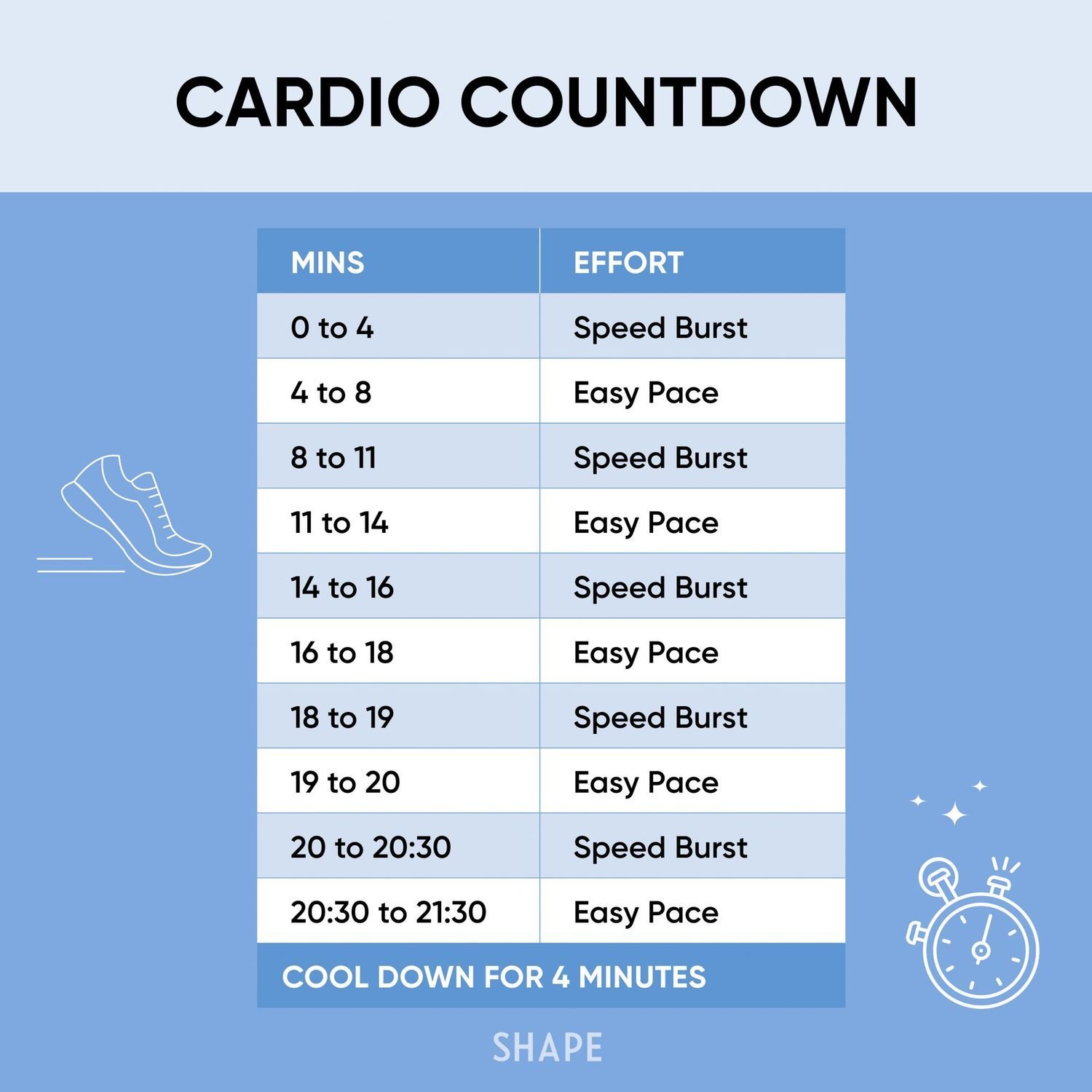
A well-designed workout routine cardio boosts your energy and helps burn calories efficiently. **The key is balancing intensity and duration to fit your fitness level.** Incorporating variety keeps the routine engaging and targets different muscle groups.
Consistent cardio also improves heart health and endurance over time. Starting with simple activities like brisk walking or cycling makes it easier to stay committed. Focus on enjoying each session, and you’ll see results before long.

Effective Workout Routine for Cardio: Boost Your Heart Health and Fitness
When it comes to staying healthy and feeling energized, cardio workouts play a vital role. They help you burn calories, improve your heart health, and boost your overall stamina. Whether you’re new to exercise or looking to spice up your current routine, understanding how to structure a workout routine for cardio can make a huge difference. In this section, we’ll explore what makes a good cardio routine and how you can build one that suits your needs.
Understanding Cardio and Its Benefits
Cardio, short for cardiovascular exercise, involves activities that raise your heart rate and keep it elevated for an extended period. These exercises are excellent for promoting heart health, burning calories, and increasing endurance. Some common forms of cardio include brisk walking, running, cycling, swimming, jump rope, and dancing.
The benefits of consistent cardio workouts include:
- Improved cardiovascular health
- Increased lung capacity
- More efficient circulation
- Enhanced mood and mental well-being
- Better weight management and fat loss
- Boosted energy levels
Knowing these benefits can make it easier to stay motivated and committed to your routine.
Types of Cardio Exercises
Different cardio exercises serve different purposes, and mixing them up can prevent boredom and improve overall fitness. Here are some popular types:
Moderate-Intensity Cardio
Activities where you can talk but not sing, such as:
- Walking at a brisk pace
- Leisure cycling
- Water aerobics
High-Intensity Cardio
Activities that push your limits, making talking difficult, like:
- Sprint intervals
- Jumping rope
- High-impact aerobics
Low-Impact Cardio
Gentle movements that are easier on joints:
- Elliptical machine workouts
- Swimming laps
- Rowing machine
Mixing different types of cardio helps avoid plateaus and keeps your routine interesting.
Designing Your Cardio Workout Routine
Creating a solid cardio routine involves planning workouts that match your goals, fitness level, and schedule. Here are some essential steps:
Assess Your Fitness Level
Be honest about your current fitness. Are you just starting out, or are you more experienced? Knowing this helps you choose appropriate intensity and duration for your workouts.
Set Clear Goals
Do you want to lose weight, improve stamina, or prepare for a race? Clear goals guide your workout choices and help you stay focused.
Determine Workout Frequency and Duration
For general health, aim for:
- At least 150 minutes of moderate cardio per week
- Or 75 minutes of vigorous activity spread across the week
A sample weekly plan might include:
- Monday and Thursday: 30-minute brisk walk or jog
- Wednesday: 45-minute cycling session
- Saturday: 30-minute swimming session
Adjust based on your schedule and progress.
Incorporate Intervals for Better Results
Interval training involves alternating between high and low intensity. It boosts calorie burn and improves cardiovascular capacity faster. For example:
- Warm-up for 5 minutes
- Run hard for 1 minute, then walk for 2 minutes
- Repeat 6 times
- Cool down for 5 minutes
Start with shorter intervals and increase intensity gradually as you build endurance.
Sample Cardio Workout Plans for Different Goals
Having a plan tailored to your goals helps you progress more effectively. Here are some examples:
Weight Loss Focused Routine
- Warm-up: 5 minutes brisk walk
- Interval Training: 1-minute sprint, 2-minute walk (repeat 8 times)
- Steady-State Cardio: 20 minutes of jogging or cycling
- Cool-down: 5 minutes stretching
Building Endurance
- Warm-up: 10 minutes light jogging
- Longer sessions at moderate pace: 40-60 minutes of cycling or swimming
- Optional: include some hill or incline work
- Cool-down: 10 minutes slow pace and stretching
Improving Heart Health
- Start with 10-minute warm-up
- Maintain a steady moderate intensity for 30-45 minutes
- Include 2-3 days of interval training per week
- End with cool-down and deep breathing exercises
Remember, consistency is key. Stick to your routine and gradually increase the intensity or duration as your fitness improves.
Tips for Staying Motivated and Safe
Even the best plans can falter without motivation. Here are some tips to keep you on track:
- Set achievable goals and celebrate small wins
- Mix different types of cardio to prevent boredom
- Workout with friends or join a class for accountability
- Keep a workout journal to track progress
- Listen to music or podcasts during exercise
- Make sure to warm up before and cool down after each session
- Stay hydrated and wear comfortable, supportive shoes
- Stop if you feel pain or dizziness and consult a professional if needed
Sticking with a routine requires patience. Remember that every bit of movement counts, and small improvements lead to big results over time.
Tools and Equipment to Enhance Your Cardio Routine
You don’t need fancy equipment to enjoy effective cardio workouts, but some tools can enhance your experience and outcomes:
| Equipment | Benefits |
|---|---|
| Jump Rope | Great for quick, high-intensity intervals and coordination |
| Treadmill | Allows controlled walking or running indoors |
| Stationary Bike | Low-impact cardio that’s easy on joints |
| Elliptical Machine | Full-body workout with minimal joint stress |
| Swimming Gear | Resistance training and cardio combined, gentle on joints |
Adding variety with different equipment can keep your routine fresh and challenging, helping you stay motivated.
Making Cardio a Part of Your Daily Life
To truly benefit from cardio, integrate physical activity into your daily routine. Here are some ideas:
- Bike or walk to school or work
- Use stairs instead of elevators
- Take short walking breaks during the day
- Park further away from entrances
- Take the dog for extra walks
Small steps add up. Over time, these habits can significantly improve your health and fitness.
The Role of Nutrition and Rest
Your workout routine works best when paired with good nutrition and adequate rest.
- Eat a balanced diet rich in fruits, vegetables, lean proteins, and whole grains
- Stay hydrated before, during, and after workouts
- Take rest days to allow your body to recover
- Get enough sleep – aim for 7-9 hours per night
Proper nutrition fuels your workouts, and rest helps prevent injuries and fatigue, keeping you motivated to stick with your routine.
In Summary
Building an effective workout routine for cardio involves understanding your goals, choosing the right activities, and staying consistent. Incorporate different types of cardio to keep your workouts engaging and challenge your body. Use interval training for quick improvements in endurance and calorie burn. Remember to warm up, cool down, stay hydrated, and listen to your body. With dedication and smart planning, you can create a cardio routine that helps you stay healthy and active for years to come.
Frequently Asked Questions
How can I ensure my cardio workout is effective without overexerting myself?
To make your cardio sessions effective and safe, monitor your heart rate to stay within your target zone, usually 50-85% of your maximum heart rate. Incorporate warm-up and cool-down periods to prevent injury and allow your body to adjust. Vary your intensity levels during workouts to avoid plateaus and keep your body challenged. Remember to listen to your body and rest when needed to prevent fatigue or injury.
What are some ways to modify my cardio routines for beginners?
Begin with low-impact activities such as walking, cycling, or swimming to reduce stress on your joints. Start with shorter durations, like 10-15 minutes, and gradually increase the time as your endurance improves. Focus on maintaining a steady pace rather than intensity, and incorporate rest periods as needed. As you progress, add new activities or increase the duration and intensity to challenge yourself further.
How often should I include cardio workouts in my weekly exercise schedule?
Aim for at least 150 minutes of moderate-intensity cardio each week, which breaks down to about 30 minutes on five days. Alternatively, you can do 75 minutes of vigorous-intensity cardio spread throughout the week. Consistency is key, so choose activities you enjoy and can sustain regularly. Incorporate a mix of different cardio exercises to prevent boredom and target different muscle groups.
What equipment options are suitable for cardio workouts at home?
You can use a variety of equipment such as a treadmill, stationary bike, jump rope, or elliptical trainer for effective cardio routines. Bodyweight exercises like jumping jacks, burpees, or high knees also provide excellent cardiovascular benefits without any equipment. Select equipment based on space, budget, and personal preference to stay motivated and engaged in your workouts.
How can I prevent boredom and stay motivated during my cardio routine?
Mix different types of cardio exercises, such as running, cycling, dancing, or swimming, to keep your routine fresh and exciting. Set achievable goals and track your progress to stay motivated. Listening to music, fitness podcasts, or watching videos can make workouts more enjoyable. Additionally, exercising with a friend or joining group classes can boost your enthusiasm and commitment to regular cardio sessions.
Final Thoughts
A well-designed workout routine cardio boosts your stamina and overall fitness levels effectively. Consistency is key; incorporating variety keeps your routine engaging and prevents plateaus. Focus on a mix of high-intensity intervals and steady-state exercises to maximize results. In summary, a balanced approach to your workout routine cardio ensures steady progress and helps maintain motivation.
As an Amazon Associate, We earn from qualifying purchases. When you purchase a product through Amazon links on pulsefitguide.com, we may earn a small commission at no extra cost to you. This helps support the site and keep our content free.