

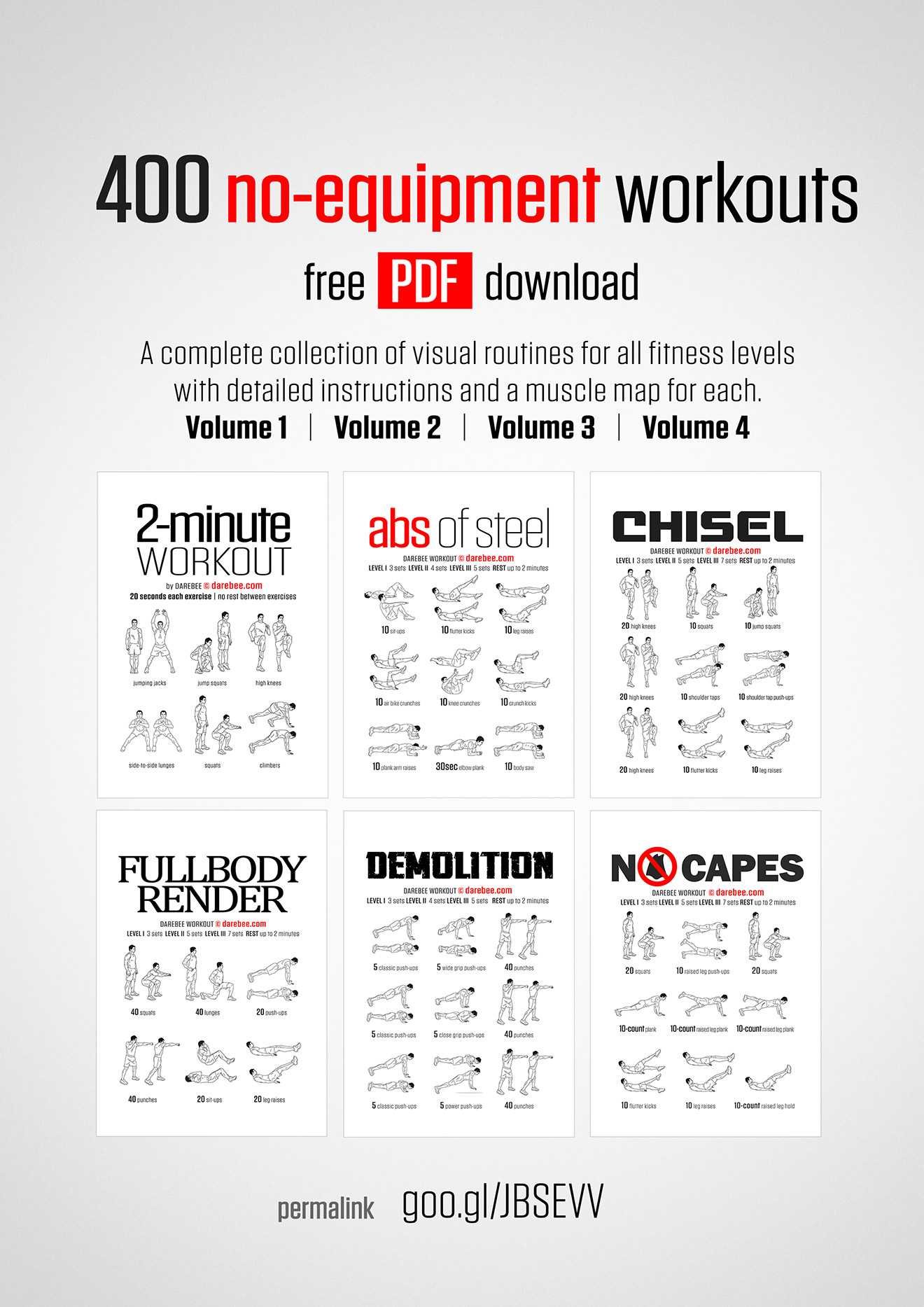
Looking to get fit without stepping into a gym or buying fancy equipment? The good news is, you can achieve a full-body workout right from the comfort of your home with no gear needed. Just a little space and your own body weight are enough to start building strength, endurance, and flexibility.
A simple, effective workout routine at home without equipment focuses on bodyweight exercises like push-ups, squats, lunges, and planks. Combining these moves into a balanced circuit can help you burn calories, tone muscles, and boost your energy levels—all without any tools. Stick to a consistent schedule, and you’ll see progress in no time!
If you’re looking to stay active and healthy without the hassle of gym memberships or equipment, this guide is perfect. We’ll explore easy-to-follow exercises and tips to keep your routine engaging and effective, so you can stay motivated and reach your fitness goals from your own living room.

Effective Workout Routine at Home No Equipment
Exercising at home without any equipment is a great way to stay fit and healthy. You don’t need a gym membership or fancy gear to get a good workout. With just your body weight, you can build strength, improve flexibility, and boost your stamina.
Why Choose a No-Equipment Home Workout?
Many people find home workouts convenient and time-saving. They eliminate travel time and gym costs. Plus, you can exercise anytime that fits your schedule without waiting for machines or fitness classes.
Working out at home also allows you to customize your routine. You can focus on your specific fitness goals and try various exercises easily. It’s a flexible way to stay active regardless of your busy lifestyle.
Benefits of a Bodyweight Workout
Bodyweight exercises are simple but effective. They help in building muscular strength, endurance, and balance. These workouts also improve your cardiovascular health without the need for equipment.
Another advantage is that bodyweight exercises are adaptable. You can increase the difficulty by changing your position or adding repetitions. They are also low-impact, making them suitable for all fitness levels.
Getting Started: Building Your Routine
Before beginning, decide on your fitness goals. Do you want to lose weight, gain muscle, or improve flexibility? Setting clear goals helps in designing the right workout plan.
Plan to work out at least three times a week. Each session should last about 20 to 30 minutes. Consistency is key to seeing progress and maintaining motivation.
Don’t forget to warm up before exercises and cool down afterward. Proper warm-up prepares your muscles and reduces injury risk, while stretching helps in recovery.
Sample Workout Routine at Home No Equipment
This routine covers all major muscle groups and boosts cardio fitness. Perform each exercise for 30 seconds, followed by a 15-second rest. Complete the circuit three times for a full workout session.
| Exercise | Description |
|---|---|
| Jumping Jacks | A full-body cardio move that increases your heart rate. Stand with feet together, arms at sides. Jump with legs apart and arms overhead, then return to start. |
| Push-Ups | Strengthen your chest, shoulders, and triceps. Keep your body straight and lower yourself until your chest nearly touches the ground. Push back up. |
| Bodyweight Squats | Build leg muscles and glutes. Stand with feet shoulder-width apart, bend knees, and lower hips as if sitting in a chair. Keep your back straight, then stand back up. |
| Plank | Core strength exercise. Support your body on forearms and toes, keeping your body in a straight line. Hold this position. |
| High Knees | Cardio move that also works your legs. Jog in place, lifting knees as high as possible with each step. |
| Tricep Dips (using a sturdy chair or low table) | Target the back of your arms. Sit on the edge, place hands behind you, and lower your body by bending elbows. Push back up to start. |
Modifications for Different Fitness Levels
If you are a beginner, reduce the exercise duration to 20 seconds or modify movements to easier versions. For example, do knee push-ups instead of full push-ups.
Advanced exercisers can increase the duration or add more repetitions. Use explosive movements like jump squats or plyometric push-ups to challenge yourself.
Listening to your body is essential. Take breaks if needed and gradually increase intensity to avoid injuries.
Incorporating Cardio and Strength Training
Cardio exercises like jumping jacks and high knees keep your heart healthy. They also help burn calories, aiding in weight loss.
Strength training exercises such as push-ups and squats build muscle and improve overall body tone. Combining both types ensures a balanced workout.
You can alternate between cardio and strength moves or combine them into circuit training for variety and fun.
Stretching and Flexibility Exercises
Stretching prevents stiffness and enhances your range of motion. Include stretches for your hamstrings, quadriceps, shoulders, and back after each workout.
Hold each stretch for about 15-30 seconds without bouncing. Yoga poses like downward dog and child’s pose are excellent for flexibility.
Dedicated flexibility routines help in recovery and reduce muscle soreness.
Creating a Weekly Schedule
A balanced weekly plan might include three to four workout days. Vary activities to target different muscle groups and avoid plateaus.
For example, do cardio and full-body routines on Monday and Thursday, and focus on core and flexibility on Wednesday and Saturday.
Rest days are important for recovery. Use these days for light stretching or gentle walks.
Tracking Progress and Staying Motivated
Keep a workout journal or use apps to track your exercises and improvements. Seeing progress, like increased repetitions or reduced rest time, keeps you motivated.
Set small milestones, such as completing a full circuit or holding a plank longer. Celebrate these achievements to stay committed.
Mix up your routine every few weeks to challenge your body and keep workouts interesting.
Related Topics for a Complete Fitness Journey
- Healthy Eating Tips for Better Results
- Importance of Hydration During Exercise
- Tips to Prevent Workout Injuries at Home
- Mindfulness and Relaxation After Exercise
- How to Stay Consistent with Your Home Workout Routine
Creating an effective workout routine at home without equipment is simple and flexible. By following a structured plan, staying consistent, and challenging yourself over time, you can achieve your fitness goals from the comfort of your home.
25 MIN FULL BODY HIIT for Beginners – No Equipment – No Repeat Home Workout
Frequently Asked Questions
How can I maintain motivation for a workout routine at home without equipment?
To stay motivated, set clear and achievable goals that keep you focused. Create a schedule and stick to it, making exercise a regular part of your daily routine. Tracking your progress helps you see improvements, which encourages continued effort. Find activities you enjoy, listen to energizing music, or exercise with a friend virtually to keep your enthusiasm high.
What are some effective bodyweight exercises I can include in my home routine?
Push-ups, squats, lunges, planks, and burpees are excellent options. These exercises target multiple muscle groups without requiring equipment. Incorporate variations and different intensities to keep your routine challenging and engaging. Proper form is essential to avoid injuries and maximize results.
How often should I perform a no-equipment workout to see progress?
For noticeable improvements, aim for at least three to four sessions each week. Each workout should last around 30 to 45 minutes, including warm-up and cool-down periods. Consistency matters, so stick to your schedule and gradually increase intensity or repetitions as your strength develops.
Final Thoughts
A workout routine at home no equipment offers an accessible way to stay fit. Focus on bodyweight exercises like push-ups, squats, and planks to target different muscle groups. Consistency is key, so aim for regular sessions that suit your schedule.
By integrating variety and proper form, you can effectively improve strength and endurance without any gear. Keep the routine simple and motivating to maintain progress.
In summary, a workout routine at home no equipment provides a practical solution for fitness enthusiasts seeking convenience and effectiveness.
As an Amazon Associate, We earn from qualifying purchases. When you purchase a product through Amazon links on pulsefitguide.com, we may earn a small commission at no extra cost to you. This helps support the site and keep our content free.