

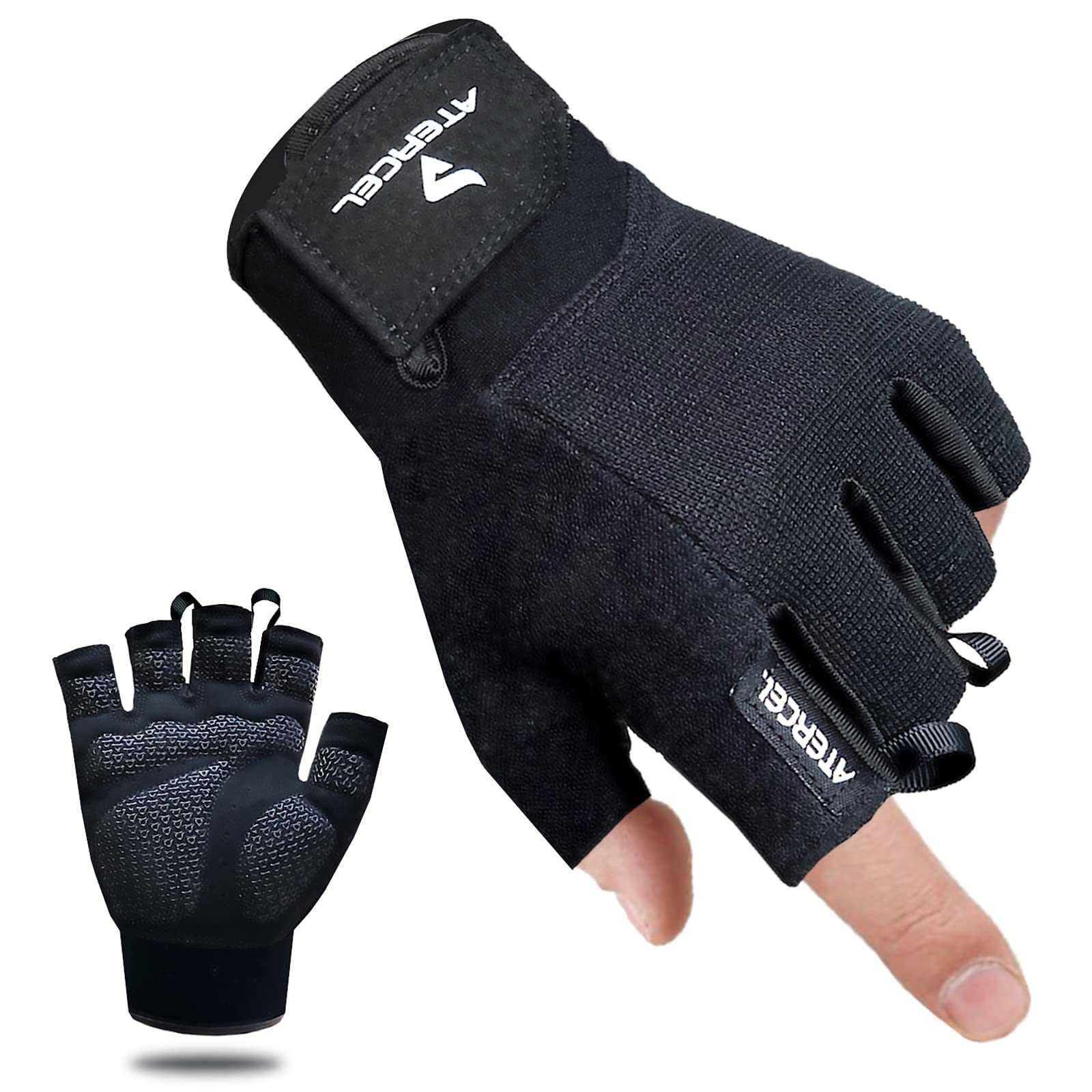
Wearing workout gloves is the simplest and most effective way to protect your hands during lifting. They prevent blisters, calluses, and cuts, making your lifting experience safer and more comfortable. A good pair of gloves also enhances grip and stability, helping you lift more confidently.
Workout gloves are essential for anyone serious about weightlifting or bodybuilding. They serve as a protective barrier for your skin, reducing irritation from rough equipment and sweat. Plus, they improve grip, preventing slips that could cause injuries. Investing in quality gloves can significantly boost your lifting performance and keep your hands healthy in the long run.
Starting a weightlifting routine can be exciting, but it also demands proper precautions. One of the most overlooked yet crucial protective gear is a quality pair of workout gloves. These gloves shield your hands from developing painful blisters and calluses caused by repetitive friction. They also offer better grip on weights, helping you lift more effectively and safely. Whether you’re a beginner or experienced lifter, choosing the right gloves can make a noticeable difference in your training sessions, keeping your hands comfortable and your focus on your workout.

Workout Gloves to Protect Hands During Lifting
Why Are Workout Gloves Important for Lifting?
Workout gloves provide a layer of protection for your hands during lifting exercises. They help prevent blisters, calluses, and cuts that can occur from gripping heavy weights repeatedly. Wearing gloves also improves grip stability, making your workout safer and more effective.
Benefits of Using Workout Gloves
- Protect your skin from blisters and calluses
- Enhance grip and prevent slipping
- Reduce pressure on palms and fingers
- Absorb sweat to keep hands dry
- Support wrist stability with some models
Types of Workout Gloves for Lifting
There are different types of gloves suited for various lifting activities. Choosing the right glove depends on your preferences and workout intensity.
Fingerless Gloves
Fingerless gloves cover your palms and part of your fingers, offering grip and protection while maintaining finger mobility. They are ideal for powerlifting and bodybuilding.
Full-Finger Gloves
These gloves cover your entire hands, providing extra protection against cuts and abrasions. They are suitable for heavy lifting or outdoor workouts.
Wrist Support Gloves
Designed with additional wrist straps, these gloves are helpful for individuals lifting very heavy weights. They provide extra wrist stability and can reduce injury risk.
Material Choices for Workout Gloves
The material affects durability, grip, and comfort.
Leather
Leather offers excellent durability and grip. It’s a popular choice for serious lifters but can be less breathable.
Neoprene
Neoprene provides good support and flexibility. It also absorbs sweat well but might wear out faster than leather.
Mesh and Breathable Fabrics
These materials allow for better airflow, keeping hands cool and dry during intense workouts. They are ideal for high-sweat sessions.
Features to Consider When Choosing Workout Gloves
Selecting the right gloves involves examining specific features that enhance performance and comfort.
Grip Enhancement
Look for gloves with textured palms made from rubber or silicone to improve grip on bars and dumbbells.
Padding and Cushioning
Adequate padding helps absorb impact and protect palms from pressure points during lifts.
Closure System
Velcro straps or elastic bands ensure a snug fit and prevent gloves from slipping during exercises.
Wrist Support
Some gloves include built-in wrist wraps or support straps, which are beneficial for heavy lifts or weak wrists.
How to Properly Use Workout Gloves
To maximize their benefits, utilize gloves correctly.
Fit and Comfort
Ensure gloves fit snugly without restricting movement or blood flow.
Breaking Them In
Wear new gloves during lighter workouts initially to break them in, making them more comfortable over time.
Cleaning and Maintenance
Wash gloves regularly following manufacturer instructions to prevent odor and bacteria buildup.
Limitations of Workout Gloves
While gloves offer many benefits, they also have some drawbacks.
Reduced Tactile Feedback
Some users may find that gloves reduce their feel of the bar or dumbbell, affecting grip sensitivity.
Overreliance
Relying too much on gloves can weaken grip strength over time. Combining glove use with grip exercises is advisable.
Related Topics: Enhancing Hand Protection and Performance
Consider complementing glove use with other hand care strategies.
Hand Exercises for Grip Strength
Regularly perform exercises like squeezing stress balls or using grip trainers to improve hand strength.
Proper Lifting Technique
Using correct form reduces undue stress on hands and minimizes injury risk.
Using Chalk or Towels
Chalk absorbs sweat and improves grip, especially beneficial when gloves are not preferred.
Comparing Popular Workout Gloves on the Market
Here’s a quick comparison table of top-rated lifting gloves:
| Brand | Type | Material | Wrist Support | Price Range |
|---|---|---|---|---|
| Harbinger | Fingerless | Leather | Yes | Medium |
| Gymreapers | Full-Finger | Neoprene | Optional | Affordable |
| Ironclad | Wrist Support | Leather and Neoprene | Yes | Higher |
Tips for Extending the Life of Your Workout Gloves
Proper care can keep your gloves performing well longer.
- Wash after each use to remove sweat and dirt
- Avoid machine drying; air dry instead
- Store in a cool, dry place away from direct sunlight
- Inspect regularly for tears or worn areas and replace as needed
Summary
Choosing the right workout gloves can make lifting safer and more comfortable. Consider your needs, such as grip, protection, and wrist support. Proper use and maintenance extend their lifespan, ensuring consistent performance during workouts.
Including gloves as part of your routine can help prevent injuries and improve your lifting experience. Whether you prefer fingerless or full-finger designs, selecting the appropriate material and features will optimize your results and keep your hands protected.
Goodbye blisters and sweaty sessions of discomfort — Hello protection, enhanced grip, + support 💪
Frequently Asked Questions
How do workout gloves help prevent hand injuries during lifting?
Workout gloves provide a protective barrier between your skin and the equipment, reducing friction and pressure on your hands. This minimizes the risk of blisters, calluses, and abrasions that often occur during intense lifting sessions. The gloves also offer additional grip, which helps in maintaining control and preventing accidental slips that could lead to injuries.
What features should I look for in workout gloves to ensure maximum hand protection?
Choose gloves with padded palms and reinforced areas to absorb impact and reduce pressure points. A secure fit is essential to prevent slipping and bunching during lifts. Breathable materials help keep your hands dry and comfortable, while adjustable straps ensure a snug fit. Additionally, look for gloves with durable stitching and high-quality fabric to withstand rigorous workouts.
Can workout gloves improve grip strength and lifting performance?
While workout gloves primarily protect your hands, they also enhance your grip by providing extra friction. This improved grip can prevent slipping and allow you to lift heavier weights confidently. However, it’s important to select gloves that fit well and do not compromise tactile feel, so you can maintain proper grip control during exercises.
Are there specific types of gloves suitable for different lifting activities?
Yes, different lifting activities may require specialized gloves. For instance, powerlifting gloves typically offer more padding and wrist support for heavy lifts, while cross-training gloves may focus on flexibility and breathability for versatile workouts. Consider your exercise type and personal preferences when selecting gloves to ensure they meet your protection and performance needs.
How should I care for my workout gloves to maintain their protective qualities?
After each workout, hand wash your gloves with mild soap and cold water to remove sweat and dirt. Allow them to air dry completely before your next use, as damp gloves can harbor bacteria and lose their integrity. Regular cleaning and proper storage will extend the lifespan of your gloves and ensure they continue to provide effective hand protection.
Final Thoughts
Workout gloves to protect hands during lifting provide essential support and reduce the risk of blisters and calluses. They enhance grip and stability, making workouts safer and more effective. Choosing the right gloves improves comfort and encourages consistent training. Prioritize quality and fit to maximize benefits during your fitness routine.
As an Amazon Associate, We earn from qualifying purchases. When you purchase a product through Amazon links on pulsefitguide.com, we may earn a small commission at no extra cost to you. This helps support the site and keep our content free.