

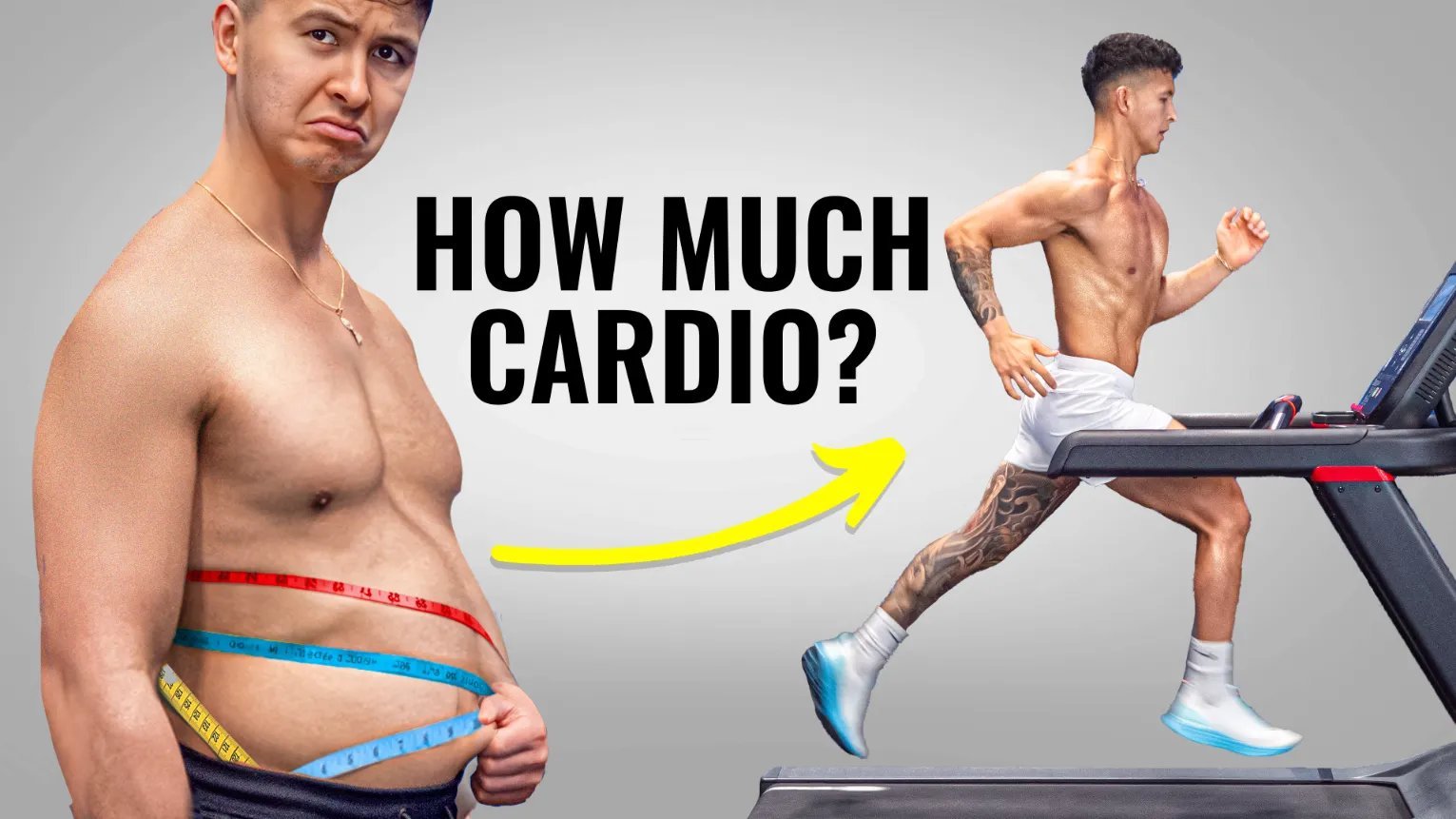
Will cardio make me skinny? The quick answer is **it can help, but it’s not the only factor**. Cardio burns calories and boosts metabolism, which aids weight loss when paired with proper diet.
However, simply doing cardio isn’t a guaranteed way to become skinny. Combining it with strength training and healthy eating creates better results. Remember, consistency and balance matter most in your fitness journey.

Will Cardio Make Me Skinny?
When you hear the word “cardio,” many people think about running, cycling, or swimming. These activities are popular for burning calories and getting fit. But the big question is: will cardio make me skinny? This is a common concern for anyone starting a workout routine or trying to lose weight. To truly understand whether cardio can help you become slimmer, it’s important to look at how it works, what it affects, and how it fits into your overall health plan.
In this article, we’ll explore what cardio is, how it impacts your body, and whether it really makes you skinny. You’ll learn about the different types of cardio, how much you should do, and other important factors like diet and strength training. By the end, you’ll have a clear idea of how cardio can help you reach your weight goals and what to keep in mind to do it safely and effectively.
What Exactly Is Cardio?
Cardio, short for cardiovascular exercise, is any activity that raises your heart rate and makes you breathe faster. It’s also called aerobic exercise because it involves oxygen to help your muscles work for an extended period. Here are some common examples:
- Running or jogging
- Walking briskly
- Swim laps
- Cycling
- Dancing or Zumba
- Jump rope
- Rowing
The main goal of cardio is to keep your heart healthy and improve your stamina. When you do cardio regularly, it can help burn calories, boost your mood, and strengthen your lungs and heart.
How Cardio Impacts Your Body
Understanding how cardio affects your body is key to knowing if it can help you become skinnier. When you do cardio, your body uses energy in the form of calories. The more intense the activity, the more calories you burn. Here’s a simple way to see it:
| Type of Cardio | Calories Burned (per 30 min) | Impact on Weight Loss |
|---|---|---|
| Walking at a moderate pace | 120-180 | Good for beginners and steady weight loss |
| Running or Jogging | 240-355 | More intense, burns more calories quickly |
| Cycling | 240-450 | Great for leg muscles and weight control |
| Swimming | 200-300 | Low impact, burns calories efficiently |
As you can see, cardio can significantly help you burn calories, which is essential for weight loss. But simply doing cardio isn’t the whole story.
Will Cardio Alone Make Me Skinny?
While cardio burns calories and helps with weight loss, it doesn’t automatically mean you’ll become skinny just by doing it. Here are some points to consider:
- Eating habits matter: If you eat more calories than you burn, you won’t lose weight. Cardio is effective only when combined with a balanced diet.
- Consistency is key: Doing cardio once in a while won’t lead to significant weight changes. Regular activity is important.
- Type of cardio: Low-intensity cardio like walking is fantastic for beginners or those with joint issues, but higher-intensity workouts burn calories more quickly.
- Body composition matters: Weight isn’t the only measure of health. Building muscle through strength training can improve body shape and boost metabolism.
In short, cardio is a helpful tool but isn’t a magic solution for becoming skinny on its own. You need to pair it with good eating habits and other healthy routines.
How Much Cardio Should You Do?
The question of how much cardio to do depends on your goals, fitness level, and lifestyle. Here’s a simple guideline for different objectives:
For General Health
– Aim for at least 150 minutes of moderate-intensity cardio (like brisk walking) per week.
– Or, about 30 minutes most days of the week.
For Weight Loss
– Incorporate around 300 minutes of moderate-intensity cardio weekly.
– This could be broken into sessions of 30 to 60 minutes, five to six days a week.
For Improving Fitness and Endurance
– Include more intense workouts like running or cycling for about 3 to 4 times a week.
– Combine with strength training for balanced fitness.
Remember, starting slow is better if you are new to exercise. Gradually increase your activity level to avoid injury and burnout.
Balancing Cardio With Strength Training
Many people ask, “Should I do cardio or strength training?” The truth is, combining both gives the best results. Here’s why:
- Muscle building helps burn more calories: Muscle tissues burn more calories at rest than fat does, so increasing muscle mass can help you stay slim.
- Cardio improves heart health: Keeping your heart strong and healthy through cardio is essential.
- Strength training shapes your body: It helps you achieve a toned and fit appearance.
A balanced routine might look like this:
– Cardio 3 to 5 times a week
– Strength training 2 to 3 times a week
This combination makes it easier to lose weight and keeps your body strong and healthy.
Other Factors That Influence Weight Loss
While cardio is helpful, other things also affect your journey to becoming leaner:
- Diet: Eating nutritious foods and controlling portion sizes are crucial. Focus on vegetables, lean proteins, and whole grains.
- Sleep: Getting enough quality sleep helps your body recover and keeps hormones that control hunger balanced.
- Hydration: Drinking enough water supports metabolism and energy levels.
- Stress management: High stress can lead to overeating or unhealthy choices. Find ways to relax.
Remember, the combination of regular activity, good eating habits, and a healthy lifestyle best supports your goal to become slimmer.
Summary
In the end, cardio can be a valuable part of your health routine. It helps you burn calories, improves your heart health, and can support weight loss. However, doing cardio alone might not make you skinny unless you combine it with effort in other areas, such as diet and strength training. Be consistent, listen to your body, and make choices that promote overall wellness.
Keep in mind that everyone’s body responds differently to exercise. Patience and persistence are key, and focus on feeling good and being healthy rather than just fitting into a certain size. With the right approach, cardio can be an enjoyable and effective way to support your journey toward a healthier, happier you.
Frequently Asked Questions
Can doing cardio help reduce body fat effectively?
Yes, engaging in regular cardio exercises can help burn calories and reduce overall body fat. When you perform cardio consistently, it creates a caloric deficit, which leads to fat loss over time. However, it should be combined with a balanced diet and strength training for best results.
Does cardio alone lead to significant weight loss?
While cardio is excellent for burning calories, relying solely on it might not lead to the most optimal weight loss. Incorporating strength training helps build muscle, which can increase resting metabolic rate. A comprehensive approach that includes both cardio and strength training, along with proper nutrition, proves most effective.
How does cardio impact muscle tone and overall physique?
Cardio helps improve cardiovascular health and can assist in reducing fat surrounding muscles, making them appear more defined. However, to develop muscle tone and shape your physique, you need to include resistance exercises. Combining cardio with strength training results in a more sculpted and healthier appearance.
Can excessive cardio cause muscle loss or other health issues?
Performing excessive cardio without proper nutrition can lead to muscle loss, fatigue, and other health concerns. It’s important to balance cardio workouts with adequate rest and proper diet to maintain muscle mass and overall well-being. Moderation and variety in your exercise routine ensure sustainable progress.
What role does diet play in achieving a leaner body alongside cardio?
Diet plays a crucial role in body composition. Even with regular cardio, consuming more calories than you burn can hinder weight loss. Focus on a nutritious diet that supports your activity level, ensuring you get enough protein, healthy fats, and complex carbs to fuel your workouts and promote fat loss.
Final Thoughts
Cardio can help burn calories and improve overall health, but it alone may not guarantee weight loss. Combining cardio with a balanced diet yields better results. Consistency is key to seeing lasting changes.
Will cardio make me skinny? Not necessarily. It contributes to fat loss but must be paired with proper nutrition and strength training. Focus on a comprehensive approach for sustainable results.
As an Amazon Associate, We earn from qualifying purchases. When you purchase a product through Amazon links on pulsefitguide.com, we may earn a small commission at no extra cost to you. This helps support the site and keep our content free.