

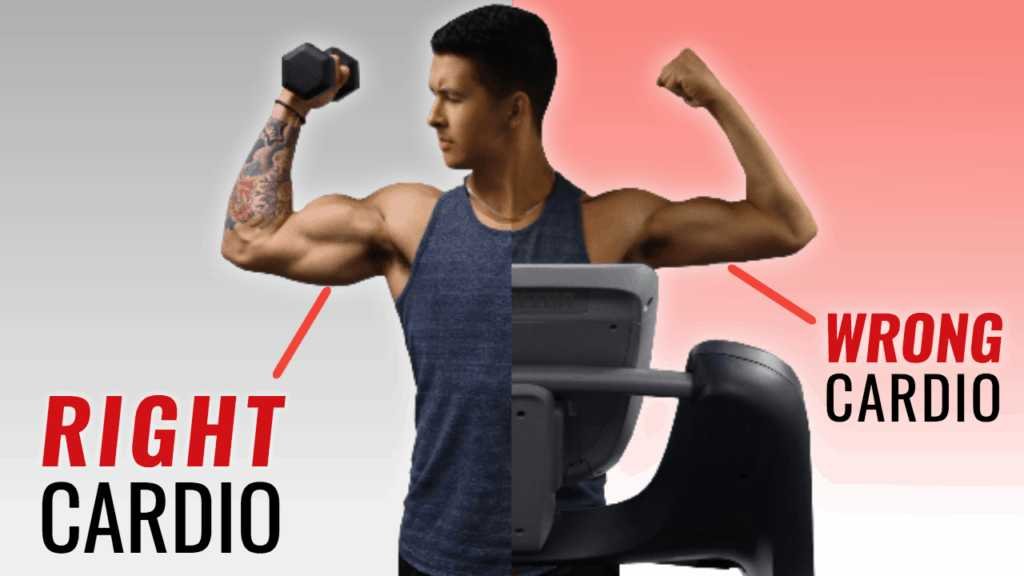
Yes, cardio can potentially lead to muscle loss if not done correctly, but it doesn’t have to. With the right approach, you can enjoy the benefits of cardio while preserving your muscle mass.
In short, cardio alone doesn’t automatically cause muscle loss; it depends on how you incorporate it into your routine and your overall nutrition. Properly balancing cardio with strength training and sufficient protein intake can help you stay muscular while reaping the benefits of cardiovascular exercise.
Many people worry that doing lots of cardio might make them lose muscle, especially if they’re trying to build or maintain it. The key is understanding how to structure your workouts. Cardio is fantastic for heart health, endurance, and calorie burning, but doing too much without strength training or proper nutrition might lead to muscle breakdown. The good news is, with the right mix of exercises and diet, you can enjoy cardio without sacrificing your muscle gains. Let’s explore how you can find that perfect balance to stay fit and strong.

Will Cardio Lose Muscle? Understanding the Impact of Cardio on Your Muscles
Many people wonder if doing cardio exercises can make them lose muscle. This is a common concern, especially for those trying to stay strong while losing fat. The truth is, whether cardio causes muscle loss depends on how you do it and your overall workout routine.
What Is Cardio and Why Do People Do It?
Cardio, or cardiovascular exercise, makes your heart beat faster. Examples include running, cycling, swimming, and jumping rope. People do cardio to improve heart health, burn calories, and lose weight fast.
Cardio helps burn calories by increasing your energy expenditure. It is a key part of many fitness plans but can sometimes make people worry about losing muscle mass too.
Does Cardio Cause Muscle Loss?
Short answer: Cardio can cause muscle loss if done improperly. However, with the right approach, you can avoid this problem.
It mainly happens when your body uses muscle tissue for energy instead of fat. This can occur if you do excessive cardio without enough nutrition or strength training.
Understanding the balance between cardio and strength work can help you stay muscular while losing fat.
How Does Cardio Affect Muscle Mass?
Energy Use During Cardio
During cardio, your body burns calories from stored fat, carbs, and sometimes muscle tissue. The mix depends on intensity and duration.
High-intensity or long-duration cardio favors fat burning but can sometimes lead to muscle breakdown if not managed well.
Muscle Breakdown and Catabolism
Muscle breakdown, called catabolism, happens when your body needs extra energy and doesn’t have enough carbs or fat available.
If your body uses muscle for energy regularly, you may notice muscle loss over time.
Role of Nutrition in Preventing Muscle Loss
Eating enough protein and calories supports muscle repair during cardio. Proper nutrition is essential to prevent muscle from being used as fuel.
Including protein-rich foods before and after workouts helps maintain muscle mass while losing fat.
How to Prevent Muscle Loss During Cardio
Combine Cardio with Strength Training
Adding weight lifting or resistance exercises helps preserve and build muscle mass. It also boosts metabolism.
Strength training should be done at least two to three times weekly alongside cardio sessions.
Limit Excessive Cardio Duration and Intensity
Long sessions or very intense cardio can increase the risk of muscle loss. Keep cardio sessions moderate in length, usually 30-45 minutes.
Varying intensity with interval training can burn fat without overtaxing muscles.
Focus on Proper Nutrition
Consume enough protein daily, generally 1.2 to 2 grams per kilogram of body weight.
Ensure your diet includes healthy fats and carbs to fuel workouts and aid recovery.
Rest and Recovery are Key
Allow your muscles time to recover after workouts. Rest days help your muscles rebuild and grow.
Adequate sleep also supports muscle preservation during a weight loss program.
Types of Cardio for Muscle Preservation
Low-Impact Cardio
Activities like walking, swimming, or cycling at moderate intensity help burn calories safely while protecting muscles.
High-Intensity Interval Training (HIIT)
This involves short bursts of intense effort followed by rest. It’s effective for fat loss and can preserve muscle if done correctly.
Steady-State Cardio
Continuous, moderate-intensity exercises like jogging or brisk walking work well when balanced with strength training to prevent muscle loss.
Related Topics to Consider
Importance of Recovery and Hydration
Recovery practices like stretching, foam rolling, and proper hydration help maintain muscle health during a cardio routine.
Balancing Cardio and Strength
A well-rounded fitness plan includes both cardio and resistance training for optimal health and muscle maintenance.
Monitoring Progress and Adjusting Routine
Track your workouts and body composition to ensure your routine supports both fat loss and muscle preservation.
Summary of Key Points
- Cardio can cause muscle loss if overdone without proper nutrition and strength training.
- Combining resistance exercises with cardio helps maintain muscle mass.
- Limiting cardio duration to 30-45 minutes and varying intensity improves results.
- Eating enough protein and resting properly are essential strategies.
- Choosing appropriate types of cardio, like HIIT or moderate steady-state, supports fat loss while protecting muscles.
By understanding how cardio impacts muscles and applying these strategies, you can enjoy the benefits of cardio exercise without sacrificing muscle mass. Maintaining a balanced approach ensures you burn fat effectively while staying strong and healthy.
How To Do Cardio (Without Losing Muscle)
Frequently Asked Questions
Can engaging in cardio affect my muscle mass over time?
Cardio exercises, when done excessively or at high intensities without proper nutrition, can lead to muscle loss. However, if you balance cardio with strength training and consume enough protein, you can prevent muscle loss and even preserve muscle mass while improving cardiovascular fitness.
What strategies can I use to ensure cardio doesn’t cause muscle depletion?
To maintain muscle while doing cardio, incorporate resistance training into your routine, focus on high-protein diets, and avoid doing prolonged, very high-intensity sessions that may break down muscle tissue. Including rest days and proper recovery also helps protect muscle mass.
Does the timing of cardio sessions impact muscle retention?
Yes, scheduling cardio sessions around your strength training can influence muscle retention. Performing cardio after lifting weights or on separate days helps prevent interference with muscle recovery, allowing your muscles to rebuild effectively while still gaining cardiovascular endurance.
Is there a difference between steady-state and high-intensity interval training regarding muscle preservation?
Steady-state cardio tends to be less likely to cause muscle loss compared to high-intensity interval training (HIIT), especially if done excessively. HIIT can be effective for fat loss without significant muscle loss if you manage volume and intensity carefully and support your training with proper nutrition.
How can I combine cardio and strength training effectively to prevent muscle loss?
Mixing strength training with moderate cardio sessions ensures you maintain muscle while improving endurance. Prioritize lifting heavier weights with sufficient recovery, and keep cardio sessions moderate in duration and intensity. Proper nutrition and adequate rest complement this approach to preserve your muscle mass.
Final Thoughts
Cardio can be done effectively without risking muscle loss if combined with proper strength training. Adequate protein intake supports muscle preservation during cardio routines.
Will cardio lose muscle? Not if you maintain a balanced workout plan. Focus on incorporating both cardio and resistance exercises to protect your muscle mass while improving endurance.
As an Amazon Associate, We earn from qualifying purchases. When you purchase a product through Amazon links on pulsefitguide.com, we may earn a small commission at no extra cost to you. This helps support the site and keep our content free.