

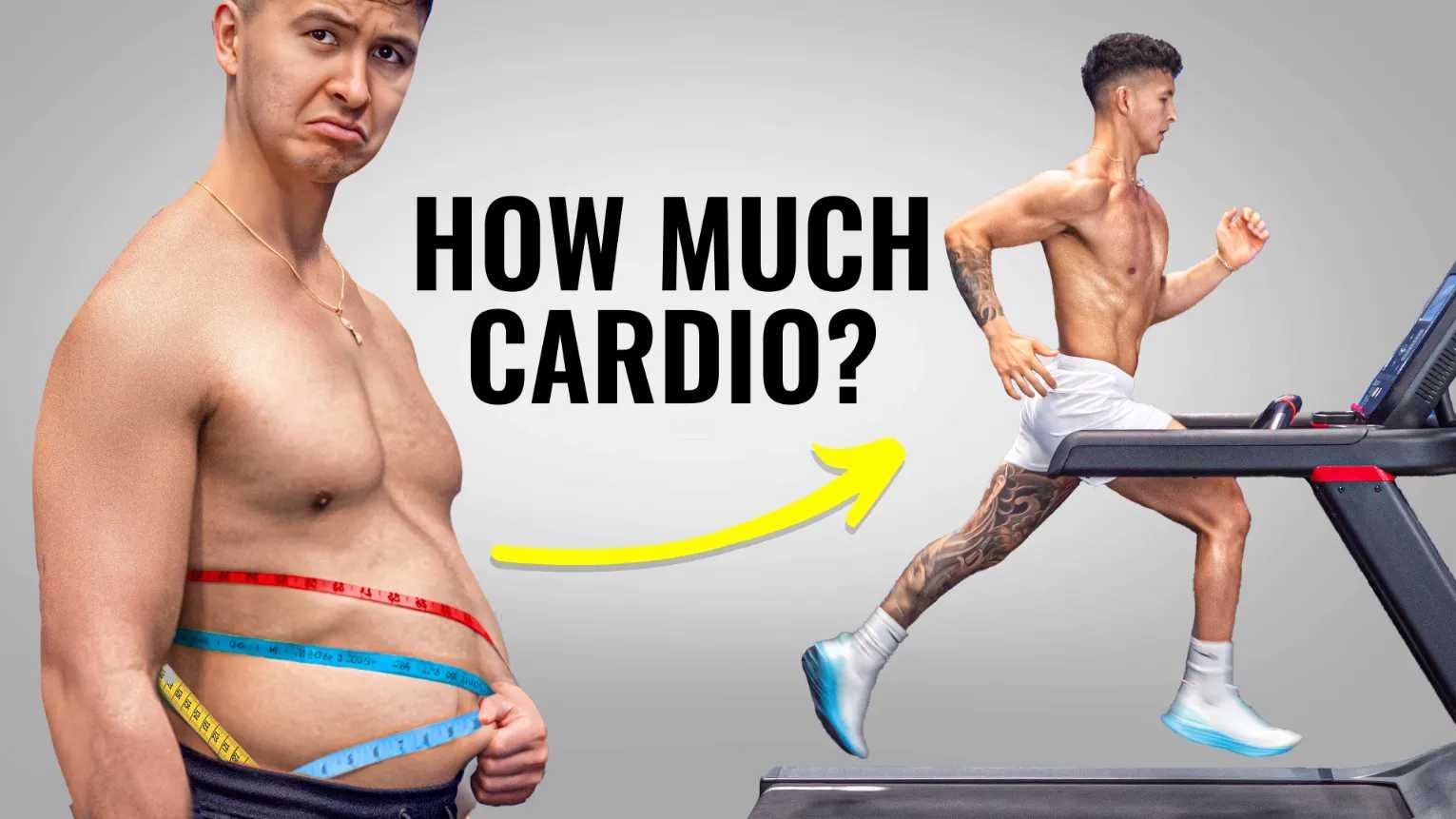
Yes, cardio can definitely help you shed those extra pounds! Incorporating regular cardiovascular exercise into your routine boosts calorie burn, accelerates fat loss, and improves your overall metabolism. While diet also plays a crucial role, cardio workouts are one of the most effective ways to see quick weight loss results and boost your energy levels.
Cardio, or aerobic exercise, is a popular and accessible method for losing weight. It includes activities like running, cycling, swimming, or brisk walking that increase your heart rate. When combined with a balanced diet, cardio helps create a calorie deficit, which is essential for weight loss. Starting a consistent cardio routine can be motivating and fun, making it easier to stay committed to your fitness goals. Whether you’re aiming to slim down or improve your heart health, cardio is a powerful tool that can get you closer to your ideal weight.

Will Cardio Help Me Lose Weight?
Many people wonder if doing cardio exercises is the best way to shed unwanted pounds. The simple answer is yes, but there are details that make a difference. Cardio can be a powerful tool when used properly and combined with other healthy habits.
Understanding How Cardio Burns Calories
Cardio workouts increase your heart rate and breathing, which helps you burn calories. The more intense and longer your session, the more calories you will burn. For example, running, cycling, and swimming are excellent ways to boost calorie expenditure.
Burning calories creates a calorie deficit, which is essential for weight loss. If you consume fewer calories than you burn, your body starts using stored fat for energy. Cardio helps create this balance by increasing activity levels.
On average, a 150-pound person can burn about 300-400 calories in 30 minutes of moderate-intensity cardio. These numbers vary based on intensity, body weight, and age.
The Role of Cardio in Fat Loss
Cardio is especially good at reducing visceral and subcutaneous fat. Regular cardio sessions can help decrease fat deposits around the belly, hips, and thighs. Consistent activity prevents fat from building up again after weight loss.
Unlike some weight loss methods, cardio helps preserve muscle mass while shedding fat. This makes your body look leaner and improves overall health. Plus, fat loss from cardio can lead to better heart health and lower blood pressure.
So, if your goal is to lose fat, regular cardio sessions should be part of your routine. Combining cardio with balanced nutrition boosts your results even more.
Different Types of Cardio for Weight Loss
Steady-State Cardio
This involves exercising at a consistent, moderate pace for an extended time. Activities like brisk walking, jogging, or cycling fit this category. Steady-state workouts are easier to maintain and good for beginners.
High-Intensity Interval Training
HIIT alternates between short bursts of intense effort and recovery periods. For example, sprint for 30 seconds, then walk for a minute. HIIT can burn more calories in less time and boost metabolism after the workout.
Low-Impact Cardio
Activities like swimming or elliptical training are easier on joints but still effective at burning calories. These are ideal for people with injuries or joint problems.
Choosing the right type of cardio depends on your fitness level, preferences, and any physical limitations.
How Frequently Should You Do Cardio?
The general recommendation is to aim for at least 150 minutes of moderate-intensity or 75 minutes of vigorous-intensity cardio weekly. Breaking this into sessions of 30 minutes most days of the week works well.
For faster weight loss, some people add more sessions or increase intensity. Remember, consistency is key to seeing results over time. Include variety to keep your routine interesting and prevent plateaus.
Listen to your body. Rest days are important for recovery and avoiding overtraining, which can lead to injury or burnout.
Combining Cardio with Strength Training
While cardio helps burn calories, strength training builds muscle. Increased muscle mass raises your resting metabolic rate, meaning you burn more calories even when not exercising. Combining both can optimize fat loss.
Experts recommend doing strength workouts two to three times a week alongside cardio. For example, weightlifting or resistance exercises target muscles and boost overall calorie burn.
This combination not only helps with weight loss but also improves posture, strength, and overall health.
Nutrition Tips to Maximize Cardio Results
- Eat a balanced diet rich in vegetables, fruits, lean proteins, and whole grains.
- Stay hydrated before, during, and after workouts.
- Consume a small carbohydrate-rich snack if you plan to do intense cardio sessions.
- Avoid heavy meals immediately before exercise to prevent discomfort.
- Monitor your calorie intake to ensure you maintain a healthy deficit for weight loss.
Nutrition plays a crucial role in supporting your cardio efforts. Proper fueling and recovery can improve performance and results.
Important Factors That Influence Cardio’s Effectiveness
Intensity and Duration
Higher intensity workouts burn more calories in less time, but longer sessions at moderate intensity also contribute significantly to fat loss. Find a balance that suits your fitness level and schedule.
Consistency
Regular exercise is key. Sporadic activity won’t provide the same benefits as a consistent routine over weeks or months.
Body Composition
More muscle mass can mean higher calorie burn even at rest. Strength training enhances the effects of cardio for overall fat reduction.
Age and Metabolism
As you age, your metabolism may slow down. Incorporating cardio helps counteract this and maintains muscle mass and metabolic health.
Potential Limitations of Cardio for Weight Loss
While cardio is effective, relying solely on it might not be enough for everyone. Some may plateau after a certain period or find it hard to increase intensity and duration.
Additionally, overdoing cardio can lead to fatigue or injuries, especially if recovery is neglected. Combining cardio with proper nutrition and strength training makes for more balanced, sustainable weight loss.
Lastly, genetics and other health factors influence how quickly and effectively you lose weight through cardio alone. Patience and realistic goals are essential.
In summary, cardio can indeed help you lose weight when integrated with a healthy diet and strength training. It increases calorie expenditure, reduces fat, and boosts overall health. Choosing the right type, maintaining consistency, and staying motivated are the keys to success.
Remember, every person’s body responds differently. Find activities you enjoy, set achievable goals, and stay committed to your fitness journey. Cardio is a valuable part of a balanced approach to losing weight and improving well-being.
How To Do Cardio (Without Losing Muscle)
Frequently Asked Questions
How does cardio contribute to weight loss overall?
Cardio exercises increase your heart rate and help burn calories, which plays a key role in creating a calorie deficit necessary for weight loss. Regular cardio also boosts your metabolism, enabling your body to burn more calories even when at rest. Combining cardio with a healthy diet maximizes weight loss efforts and promotes fat loss rather than muscle loss.
Can doing cardio alone lead to significant weight loss?
While cardio can significantly aid weight loss, relying solely on it might not be enough for optimal results. Incorporating strength training helps build lean muscle mass, which increases resting metabolic rate. A balanced approach that includes both cardio and strength exercises, along with proper nutrition, offers the best chance for sustainable and effective weight loss.
How often should I do cardio to see noticeable weight loss results?
For effective weight loss, aim for at least 150 minutes of moderate-intensity cardio each week, such as brisk walking or cycling. If you prefer higher-intensity workouts, around 75 minutes per week may suffice. Consistency is key; spread your sessions throughout the week to maintain a steady calorie burn and support your weight loss goals.
Does the type of cardio exercise matter for weight loss?
Different types of cardio, such as running, swimming, cycling, or dancing, can all support weight loss. Choose activities you enjoy, as this increases the likelihood of sticking with your routine. High-intensity interval training (HIIT) can be particularly effective for burning calories in shorter periods, but any sustained activity will contribute to your overall calorie expenditure.
Are there any potential drawbacks to relying only on cardio for weight loss?
Relying exclusively on cardio can lead to muscle loss and may not improve overall body strength or endurance. Additionally, focusing only on cardio might cause plateaus in weight loss over time. Combining cardio with strength training and maintaining a balanced diet helps build muscle, preserve metabolism, and achieve more balanced and sustainable results.
Final Thoughts
Cardio exercises can be effective for weight loss, especially when combined with proper diet. They burn calories quickly and improve cardiovascular health.
However, relying solely on cardio may not lead to the best results. Incorporating strength training helps build muscle, which boosts metabolism.
In conclusion, will cardio help me lose weight? It can, but for optimal results, combine cardio with a balanced workout plan. Staying consistent is key to seeing progress.
As an Amazon Associate, We earn from qualifying purchases. When you purchase a product through Amazon links on pulsefitguide.com, we may earn a small commission at no extra cost to you. This helps support the site and keep our content free.