

Yes, cardio can be an effective way to shed unwanted pounds. It helps burn calories quickly and boosts your metabolism, making it easier to lose weight when combined with proper diet.
Cardio exercises, such as running, cycling, or swimming, are popular for weight loss because they elevate your heart rate and burn calories efficiently. However, the key to successful weight loss is consistency and combining cardio with a balanced diet. While cardio alone can help you lose weight, integrating strength training and mindful eating habits can amplify your results. Understanding how cardio fits into your overall fitness routine can set you on the right path to reaching your goals faster and more sustainably. Whether you’re a beginner or looking to step up your workout, cardio remains a vital component of a healthy weight loss journey.

Will cardio help lose weight? An in-depth look at how exercise influences weight loss
What exactly is cardio exercise?
Cardio, short for cardiovascular exercise, includes activities that increase your heart rate and breathing. Popular examples are walking, running, cycling, swimming, and dancing. These exercises primarily target your heart and lungs, helping improve overall stamina and health.
The science behind cardio and calorie burning
When you perform cardio workouts, your body burns calories to produce energy. The more intense the activity, the more calories you burn. Regular cardio helps create a calorie deficit, which is essential for weight loss.
How effective is cardio in burning fat?
Cardio is highly effective at burning calories and fat, especially when combined with a healthy diet. It boosts metabolism, allowing your body to burn fat more efficiently. Consistent cardio sessions can lead to significant fat loss over time.
Different types of cardio exercises and their impact on weight loss
Steady-State Cardio
This involves maintaining a consistent pace for a prolonged period, like jogging or cycling. It burns a steady amount of calories and improves endurance. Ideal for beginners and those aiming for fat burning without overexertion.
High-Intensity Interval Training (HIIT)
HIIT alternates between intense bursts of activity and short recovery periods. It burns more calories in less time and increases afterburn effect, keeping your metabolism high even after exercise ends. Great for quick fat loss.
Low-Impact Cardio Options
Activities like walking or swimming are gentler on joints. They still promote calorie burning and fat loss, especially for beginners or those with joint issues.
How much cardio should you do for weight loss?
The general recommendation is at least 150 minutes of moderate-intensity or 75 minutes of vigorous-intensity cardio weekly. Splitting this into sessions of about 30 minutes, five days a week, can maximize fat burning.
Balancing cardio with strength training for optimal weight loss
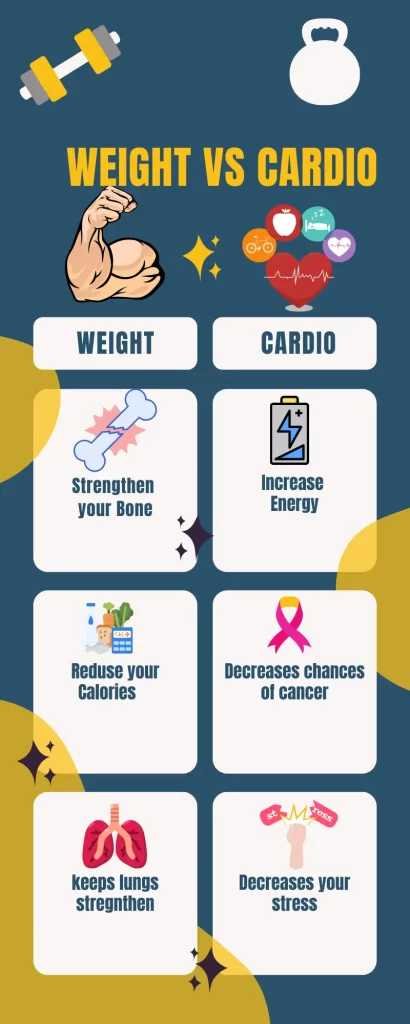
While cardio helps burn calories, strength training builds muscle that boosts your resting metabolic rate. Combining both methods offers better results than doing only one. Building muscle helps burn more calories even when you’re not exercising.
The role of diet in conjunction with cardio workouts
Eating a balanced diet is crucial because exercise alone isn’t enough for weight loss. Focus on nutritious foods, controlling portions, and reducing sugar and unhealthy fats. A proper diet enhances the effectiveness of your cardio sessions.
Benefits of cardio beyond weight loss
Improved cardiovascular health
Regular cardio strengthens your heart and lungs, reducing the risk of cardiovascular diseases. It lowers blood pressure and improves cholesterol levels.
Enhanced mood and mental health
Exercise releases endorphins, which boost your mood and reduce stress. Cardio can help fight depression and improve overall mental well-being.
Better sleep and higher energy levels
Consistent cardio helps regulate sleep patterns and increases energy, making daily activities easier and more enjoyable.
Possible challenges and how to overcome them
Some people might find cardio monotonous or difficult at first. To stay motivated, choose activities you enjoy, set realistic goals, and vary your routines. Proper warm-up and cool-down are also important to prevent injuries.
Are there any risks associated with cardio for weight loss?
While cardio is generally safe, overdoing it can lead to fatigue, injuries, or burnout. Listen to your body, start gradually, and consult with a healthcare professional if you have underlying health issues.
Debunking common myths about cardio and weight loss
- Myth: Cardio alone will make you lose weight quickly.
- Reality: It must be combined with diet and strength training for best results.
- Myth: More cardio is always better.
- Reality: Excessive cardio can be counterproductive and lead to burnout.
Summary: Will cardio help lose weight?
It is clear that cardio plays a vital role in fat burning and weight loss. When performed regularly and combined with proper nutrition, it can lead to sustainable results. Remember, consistency and a balanced approach are the keys to success.
Related topics to explore
- How to create a personal workout plan
- The importance of nutrition in weight loss
- Best exercises for beginners
- Incorporating flexibility and stretching into your routine
- Tracking progress and staying motivated
How To Do Cardio (Without Losing Muscle)
Frequently Asked Questions
How does cardio influence overall weight loss efforts?
Cardio exercises burn calories efficiently, which helps create a calorie deficit necessary for weight loss. Incorporating regular cardio sessions can boost your metabolism, making it easier to shed excess fat when combined with a balanced diet and strength training. It also improves cardiovascular health, supporting your ability to maintain consistent exercise routines over time.
Can doing cardio alone lead to significant weight reduction?
While cardio aids in burning calories and reducing weight, relying solely on it may not produce optimal results. Combining cardio with strength training helps build muscle, which increases resting metabolic rate, leading to more effective long-term weight management. A comprehensive approach that includes proper nutrition enhances overall effectiveness.
What type of cardio workout is most effective for weight loss?
High-intensity interval training (HIIT) stands out as particularly effective due to its ability to burn a large number of calories in a shorter period. Steady-state cardio, such as jogging or cycling at a moderate pace, also contributes to weight loss when performed regularly. The best choice depends on your fitness level and personal preferences to ensure consistency.
How often should I do cardio to see weight loss results?
For noticeable results, aim for at least 150 minutes of moderate-intensity cardio or 75 minutes of vigorous activity weekly, spread across multiple sessions. Consistency is key; making cardio a regular part of your routine helps maintain momentum and achieve steady progress over time.
Are there any risks of doing excessive cardio for weight loss?
Excessive cardio can lead to overtraining, injury, or burnout, which might hinder your progress. It can also cause muscle loss if paired with inadequate nutrition. Balance your cardio workouts with strength training, proper rest, and a nutritious diet to promote healthy weight loss and overall well-being.
Final Thoughts
Cardio exercises effectively burn calories and boost metabolism, aiding weight loss. Consistent cardio routines help create a calorie deficit essential for losing weight. Combining cardio with a balanced diet enhances results over time.
Will cardio help lose weight? Yes, it is a valuable part of a weight management strategy. However, combining it with strength training and proper nutrition offers the best outcomes. Staying committed to your cardio routine makes a noticeable difference in your progress.
As an Amazon Associate, We earn from qualifying purchases. When you purchase a product through Amazon links on pulsefitguide.com, we may earn a small commission at no extra cost to you. This helps support the site and keep our content free.